


















by InTrieste
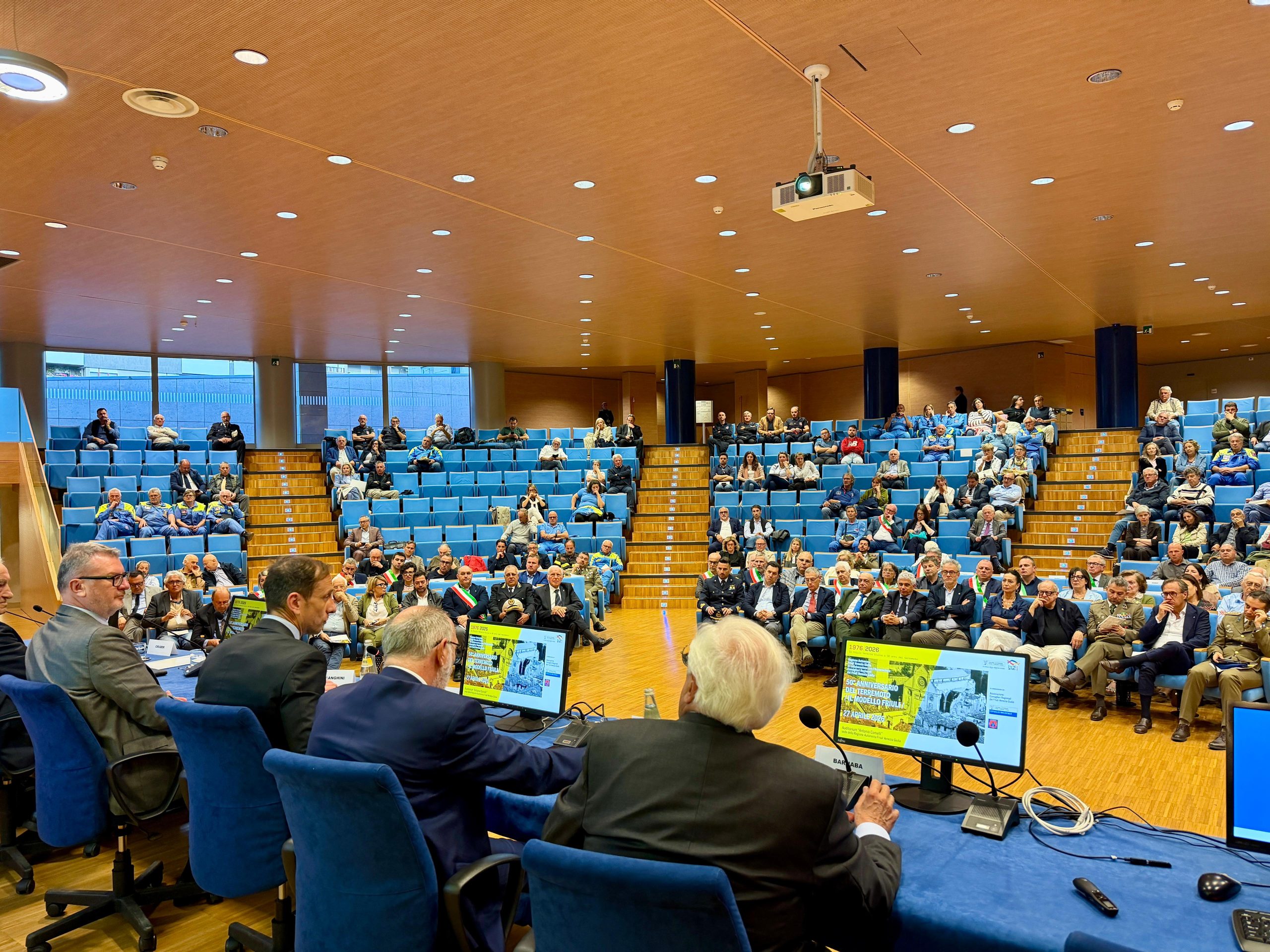
Fifty years after the devastating 1976 earthquake that struck Friuli, regional leaders gathered in Udine this week to reflect on the legacy of what has come to be known as the “Friuli Model,” a reconstruction approach often cited for its emphasis on local autonomy, institutional responsibility, and long-term planning.
The conference, held at the Comelli Auditorium as part of commemorations marking the earthquake’s anniversary, focused on how the region’s recovery became a case study in decentralized governance. Organized in collaboration with the Association of Regional Councillors of Friuli Venezia Giulia and the Association of Municipalities and Mayors of the Earthquake, the event brought together former administrators and current officials to discuss lessons that still resonate today.
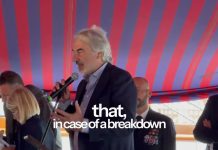
Governor Massimiliano Fedriga said the reconstruction effort remains a practical example of autonomy in action, particularly as Italy continues to debate the balance of power between national and regional governments.
“The real question,” Fedriga said, “is not which powers I would like to have, but which powers I can exercise best in order to respond more quickly and effectively to citizens’ needs.”
He argued that the post-earthquake response of 1976 demonstrated how local institutions, particularly mayors, were able to act decisively because authority was delegated close to the communities most affected. At the same time, he noted that today’s national regulations would make some of those same decisions far more difficult.
Fedriga criticized what he described as excessive centralization and legal caution in the modern system, saying public administrators must be allowed to act without fear of “preventive accusations” before any mistake is even made.
Regional Civil Protection Councillor Riccardo Riccardi pointed to two key elements behind the success of the reconstruction: political cooperation and a strong institutional chain linking local and national government.
“The political class could disagree in the morning on ordinary measures,” Riccardi said, “and in the afternoon find the necessary unity to approve all the important decisions for reconstruction unanimously.”
He also emphasized the importance of political parties and institutional relationships that allowed regional leaders to maintain credibility with national decision-makers in Rome. That system, he said, enabled a subsidiarity model in which the state, the region, and local mayors each played clearly defined roles.
Riccardi said that same civic culture helped Friuli Venezia Giulia navigate more recent crises, including the Covid pandemic.
“If we overcame the pandemic,” he said, “it is because we drew from this lesson of cohesion and responsibility.”
Finance Councillor Barbara Zilli described the Friuli Model as a unique case, one that has never been fully replicated internationally. She credited not only the institutional framework led by national civil protection pioneer Giuseppe Zamberletti, but also what she called the determination of Friuli’s people.
“They transformed despair into tireless commitment to rebuild,” she said.
The conference also featured contributions from former reconstruction officials, including Roberto Dominici and Giancarlo Cruder, and served as a preview for an upcoming publication collecting regional laws, technical documents, and policy analyses related to the reconstruction.
Half a century later, the message from regional leaders was clear: the lessons of 1976 remain not only a source of historical pride, but also a framework for confronting the challenges of the present.