




















by InTrieste
A newly renovated municipal complex in the hillside village of Opicina has reopened to the public, marking the culmination of a yearslong effort to transform a former residential structure into a multifunctional community center aimed at addressing social needs across generations.
The building, located on Via Sant’Isidoro and named “Mario Capon,” was inaugurated this week by the mayor of Trieste, Roberto Dipiazza, alongside several members of the city administration. The project reflects a broader municipal strategy to repurpose underused properties into spaces that combine social services, housing assistance and community engagement.
City officials described the reopening as the result of a collaborative effort between local government offices and the Opicina community, which had long advocated for the revitalization of the site. The renovation redefines the building’s role, positioning it as both a neighborhood gathering place and a support hub for vulnerable populations.
At street level, the facility will host activities connected to the Habitat Microarea project of Villa Carsia, an initiative focused on strengthening local networks and encouraging social interaction. The space is intended to serve residents of all ages, with an emphasis on reducing social isolation — a concern increasingly cited by local authorities as affecting both younger and older populations.
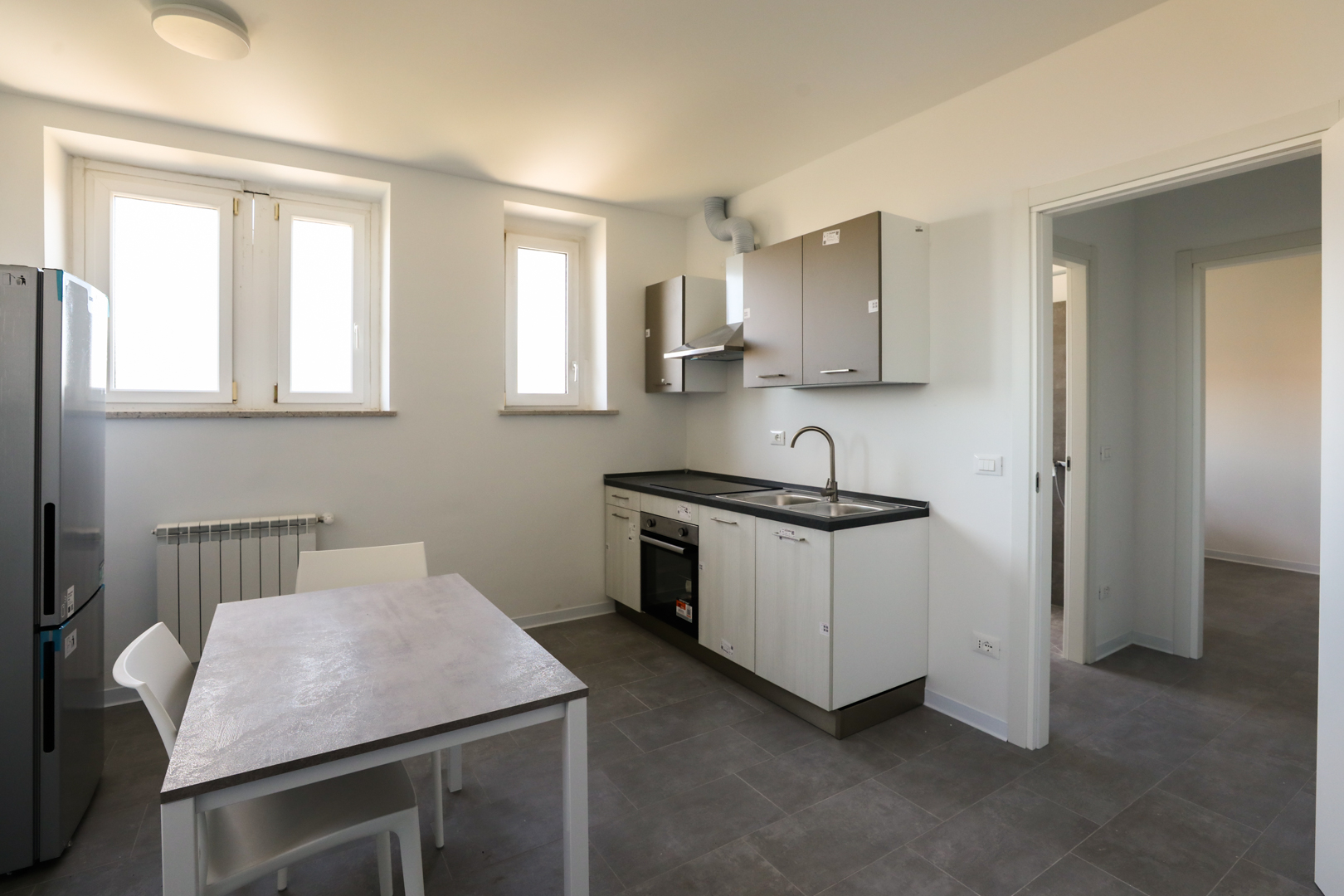
The upper floors have been redesigned to address housing insecurity. On the first floor, three small apartments have been created using funding from Italy’s National Recovery and Resilience Plan, part of the European Union’s post-pandemic recovery program. These units are designated for Housing First and Housing Led initiatives, which prioritize immediate access to stable housing for individuals facing emergency situations. The apartments are expected to accommodate between eight and ten people currently under the care of municipal social services.
The second floor has been converted into a small guesthouse with seven rooms, each equipped with a private bathroom, along with shared facilities such as a laundry area and a dining space. The accommodations are intended for individuals experiencing homelessness who may also face chronic health conditions, offering what officials describe as a more stable and dignified alternative to temporary shelters.
The housing and hospitality components will be managed through a two-year partnership, running from 2026 to 2027, between the city’s social services department and a group of nonprofit organizations. These include the Diocesan Caritas Foundation of Trieste, the Community of San Martino al Campo, La Quercia Social Cooperative, Lybra Cooperative and the Italian branch of the International Rescue Committee. Residents will be supported by a team of educators and social workers tasked with guiding them toward greater independence.
The renovation also included infrastructure upgrades, from modernized building systems to improved accessibility, ensuring the facility meets current safety and accessibility standards. Additional technological improvements were carried out under a municipal energy-efficiency program known as “Project Calore.”
Local housing authorities are also considering relocating a social concierge service operated by Ater Trieste to the site, a move that would further consolidate services aimed at assisting residents with housing-related needs.
With its mix of community spaces and targeted social programs, the Mario Capon complex represents an attempt to integrate social policy with urban redevelopment — a model that city officials suggest could be replicated in other neighborhoods.