









by Maximiliano Crocamo
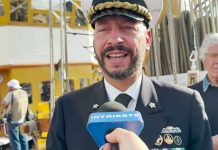
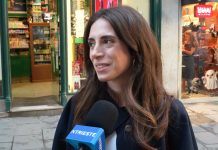
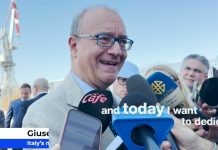
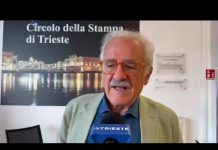
Interviews: Roberto Dipiazza, mayor of Trieste; Everest Bertoli, Trieste Councilor for Finance and Budget
The city of Trieste has approved a significant budget adjustment for the 2026–2028 period, unlocking roughly €198 million in additional spending, with a strong focus on infrastructure, culture, and public services.
Mayor Roberto Dipiazza and Finance Councillor Everest Bertoli presented the measure, which was cleared by the city executive and will now move to local district review before reaching the city council on June 8.
The package allocates €16 million in current expenditure and €182 million in capital investment, and was advanced two months ahead of legal deadlines. Officials said the early approval is intended to accelerate project implementation, particularly in public works.
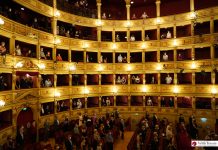
Dipiazza described the city’s finances as “among the best in the country,” saying funds will support schools, roads, sidewalks, and green spaces. Bertoli highlighted major allocations including €1.8 million for theatres and museums, €1 million for holiday events, €550,000 for urban greenery maintenance, and €400,000 for sports services.
On the investment side, the plan prioritizes road maintenance with an additional €3 million injection, alongside major urban redevelopment projects such as Piazza Libertà–Largo Città di Santos (€2.1 million), fencing works in Piazza Libertà (€1.2 million), and the restoration of Palazzo Gopcevich (€1.3 million).
Overall capital spending reaches €182 million, including large-scale public-private partnerships for the former Macchine factory area and Montebello redevelopment. Additional funding includes upgrades to schools, museums, and transport infrastructure, supported by regional and state contributions.
City officials said the revision is designed to sustain a multi-year pipeline of works while maintaining fiscal balance through a combination of regional transfers, tax revenues, and the use of reserves.