



















by InTrieste
Friuli Venezia Giulia is among Italy’s most advanced regions in the climate transition, a regional official said Monday, citing new data that place it well above the national average in renewable energy development.
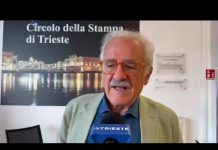
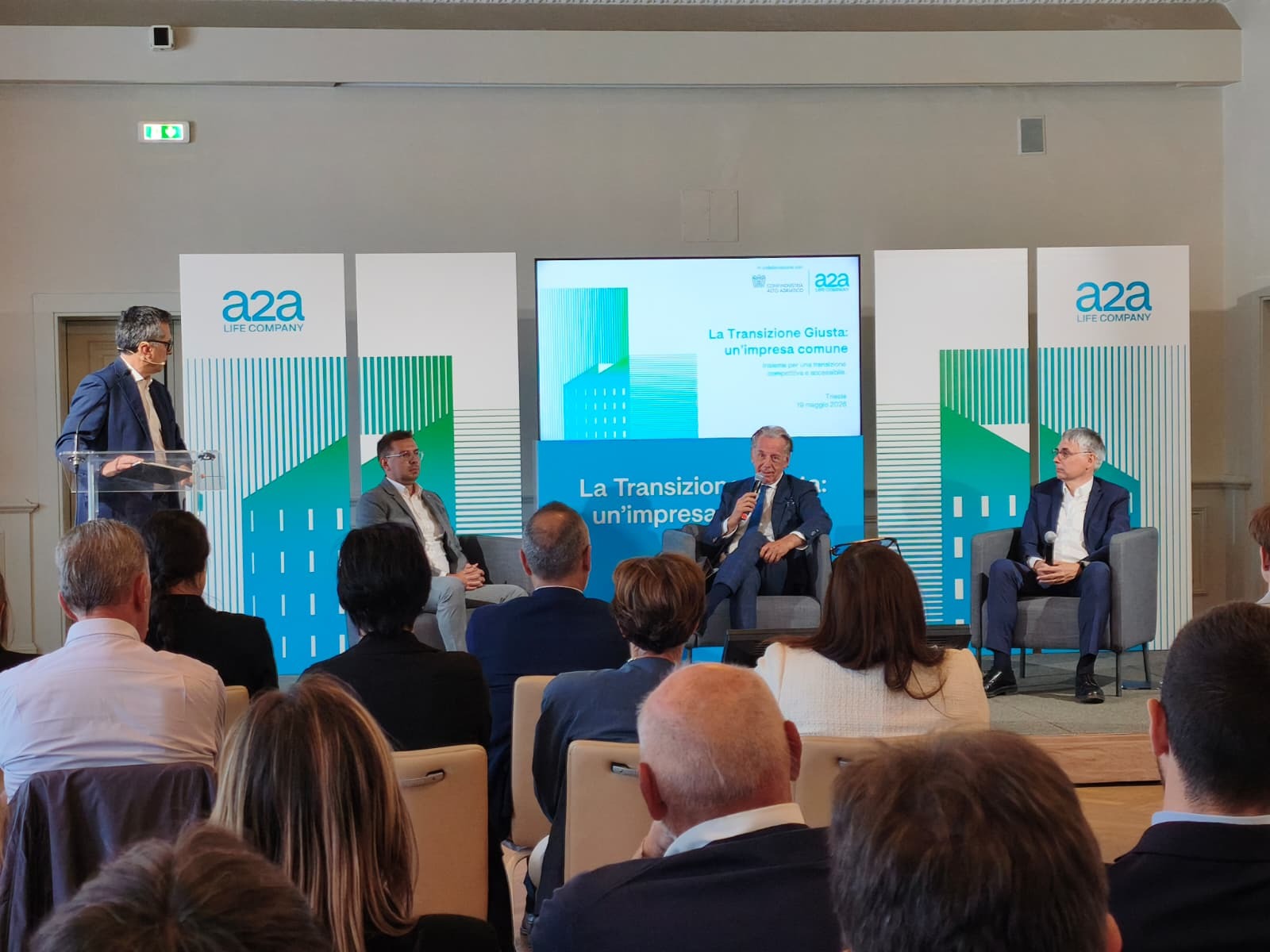
Speaking in Trieste at the presentation of energy company A2A’s territorial sustainability report, the regional councilor for the environment, energy and sustainable development, Fabio Scoccimarro, said recent findings from Climate Indicators for Italian Regions (CIRO), in collaboration with ISPRA, confirm the region’s strong performance.
According to the report, Friuli Venezia Giulia has reached 46% of its 2030 renewable energy target, compared with a national average of 31%. The region also reported growth in newly installed renewable plants in 2025 and an expansion of renewable energy communities, which reached 28 in 2024.
Scoccimarro, speaking also on behalf of Governor Massimiliano Fedriga, emphasized what he described as a pragmatic approach to decarbonization. “The ecological transition must not be an abstract ideology, but a practical path that combines environmental protection with the competitiveness of the local economy,” he said.
He added that the regional strategy seeks to expand renewable energy while protecting agricultural land and landscapes, offering regulatory certainty to both businesses and citizens.
Hydroelectric power, he said, remains central to regional energy security. “It is a fundamental asset for the autonomy and security of the territory,” Scoccimarro said, noting an ongoing “loyal and constructive dialogue” with major operators such as A2A.
The official also highlighted incentives for rooftop solar and the promotion of energy communities as key tools for citizen participation in the energy transition. He described the creation of a regional energy community as “a historic milestone” and a form of “energy democracy.”
He pointed to FVG Energia as a coordinating instrument designed to streamline energy policy and support the region’s push toward greater independence and sustainability through public-private cooperation.
Closing his remarks on A2A’s sustainability report, Scoccimarro said the company’s role as a “Life Company” demonstrates how environmental and social responsibility can become a driver of competitiveness. “The synergy between regional policy and industry is decisive to ensure quality of life today and opportunities for future generations,” he said.