










by MK
The region of Friuli Venezia Giulia has approved a new package of measures aimed at expanding access to public dental care, increasing income thresholds and introducing additional services beyond national standards.
The measures, adopted by the regional government, include new extra-Lea services and higher Isee income limits, broadening eligibility and reducing out-of-pocket costs for thousands of families.
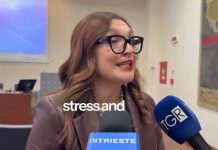
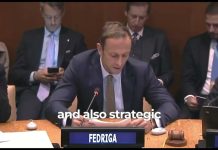
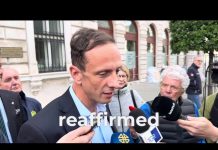
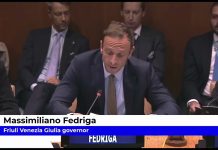
Speaking at a press conference in Trieste, the regional governor, Massimiliano Fedriga, said the initiative reflects a broader effort to strengthen public health services in areas traditionally dominated by private providers.
“The region is further reinforcing its commitment to public dentistry,” Fedriga said, noting that the changes would expand access to essential levels of care, increase supplementary services and make eligibility criteria more favorable. “Our goal is to continue expanding public services in order to guarantee a universal and accessible right to health care across all social groups.”
The reform, formalized in Resolution 478/2026, builds on a decade-long effort to enhance public dental services, with a particular focus on children, low-income households and patients with medical vulnerabilities.
The regional health councilor, Riccardo Riccardi, said the investment comes in response to a growing number of residents forgoing dental treatment. Public dentistry in the region now accounts for about 8 percent of total provision, roughly double the national average.
“With this measure, we have improved the tools needed to expand access to care,” Riccardi said, emphasizing support for those unable to afford private treatment.
Key provisions include an expansion of eligibility thresholds based on Isee, Italy’s standard measure of household income. The threshold for socially vulnerable individuals has been raised from €15,000 to €20,000, while for those with medical vulnerabilities it now reaches €35,000. For certain extra-Lea services, the income ceiling for free care has increased from €6,000 to €10,000, affecting an estimated 30,000 families.
The reform also extends pediatric dental coverage from age 14 to 16, bringing an additional 15,000 minors into the system.
Further changes include broader access to prosthetic rehabilitation and orthodontic treatments, as well as the introduction of new services such as therapies for pediatric obstructive sleep apnea.
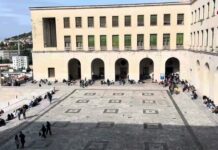
According to Roberto Di Lenarda, a professor at the University of Trieste and coordinator of the regional public dentistry program, the measures also strengthen care for people with disabilities. These include annual at-home dental visits for residents of care facilities, expanded emergency dental services and enhanced collaboration with regional disability organizations.
The region has also updated its network of emergency dental centers, increasing them to six locations across Trieste, Gorizia, Udine, Pordenone and San Vito al Tagliamento, along with pediatric services at the IRCCS Burlo Garofolo.
Officials said the reform is part of a broader shift away from a hospital-centered system toward more community-based care. Fedriga stressed the importance of appropriate prescribing practices to prevent overuse and reduce strain on the system.
The measures come as policymakers across Italy grapple with uneven access to dental care, where high-quality private services coexist with significant unmet need. Regional officials say the latest changes are intended to narrow that gap by making public care more widely available and financially accessible.