


















by Alessandra Ressa
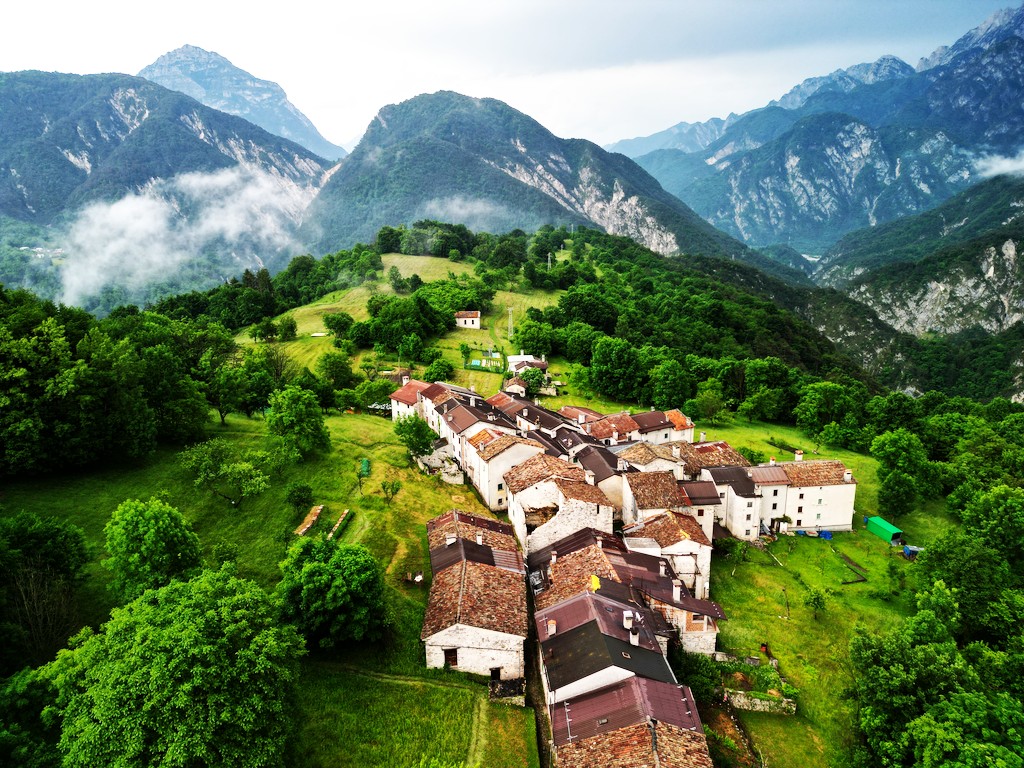
Hidden deep in the wild folds of the Carnic Alps, above the quiet town of Moggio Udinese, lies a place that feels suspended in time. Stavoli is often described as the most isolated village in Italy—a settlement that cannot be reached by car, where silence is broken only by wind, water, and memory.
Yet today, this once-forgotten hamlet is slowly returning to life.
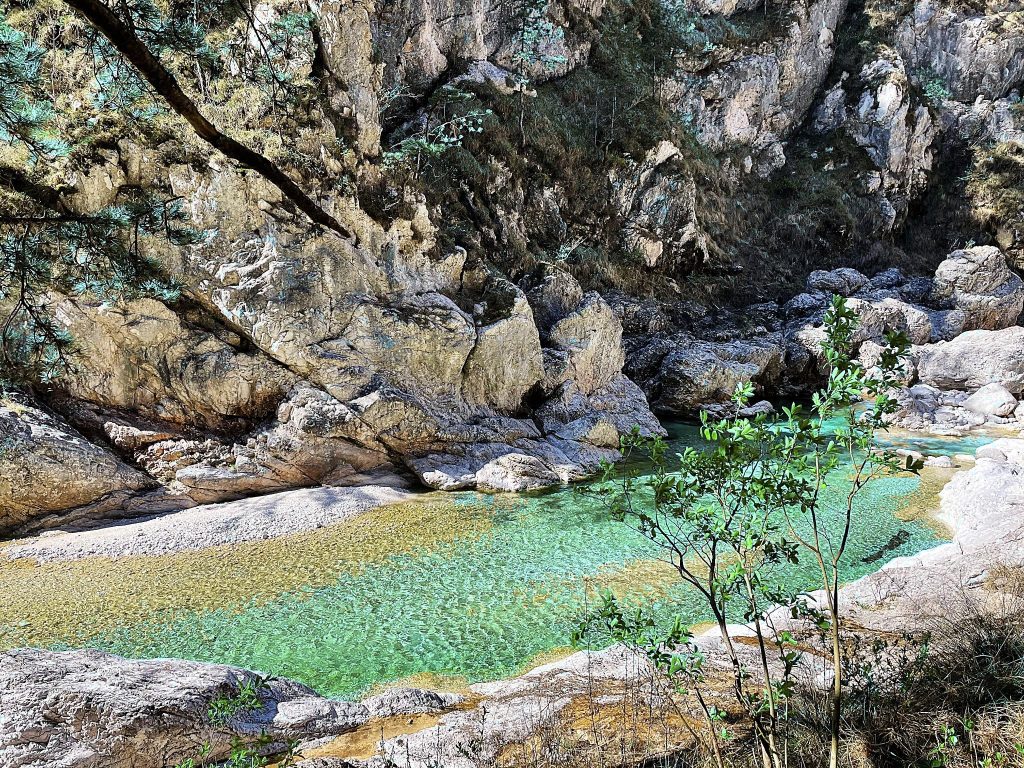
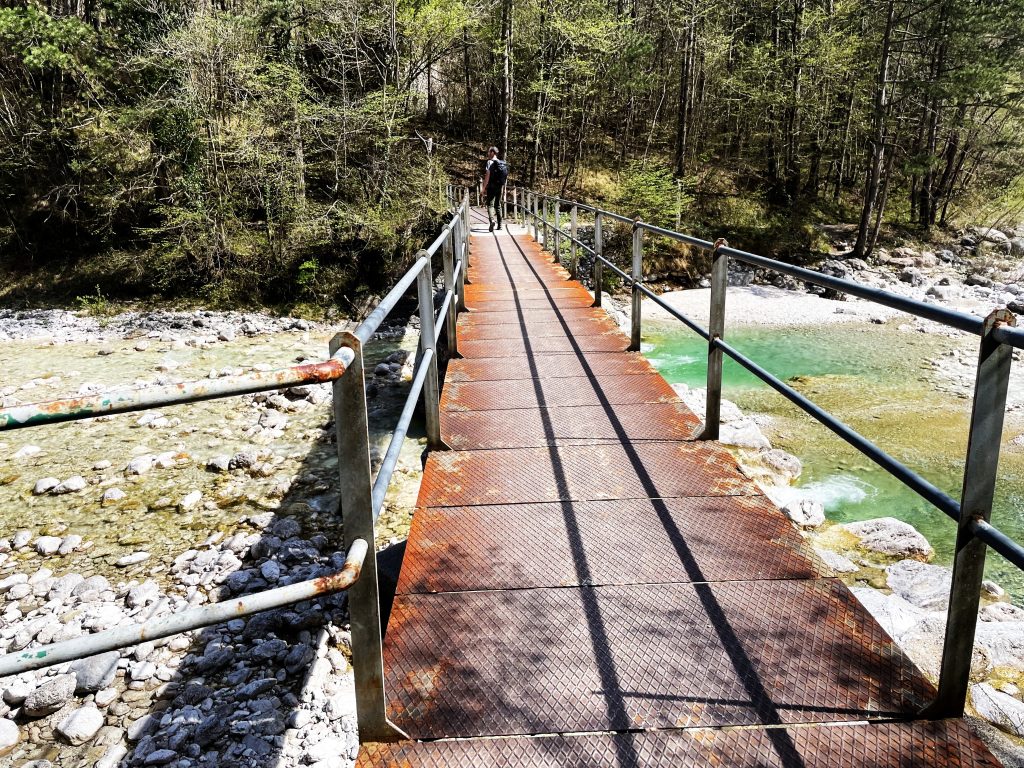
Reaching Stavoli is not just travel—it is pilgrimage. The journey begins in the village of Campiolo, past Moggio Udinese, where visitors must leave their car in the parking lot at the beginning of the narrow mountain road. From here, between the houses of Campiolo, a footpath, Sentiero CAI 417, descends toward the emerald waters of the Glagnò river, whose steady flow accompanies the first part of the hike. It is a breathtaking part of the journey, the emerald pools below beckoning to you, and, like sirens, inviting you to touch the cold, irresistible waters.
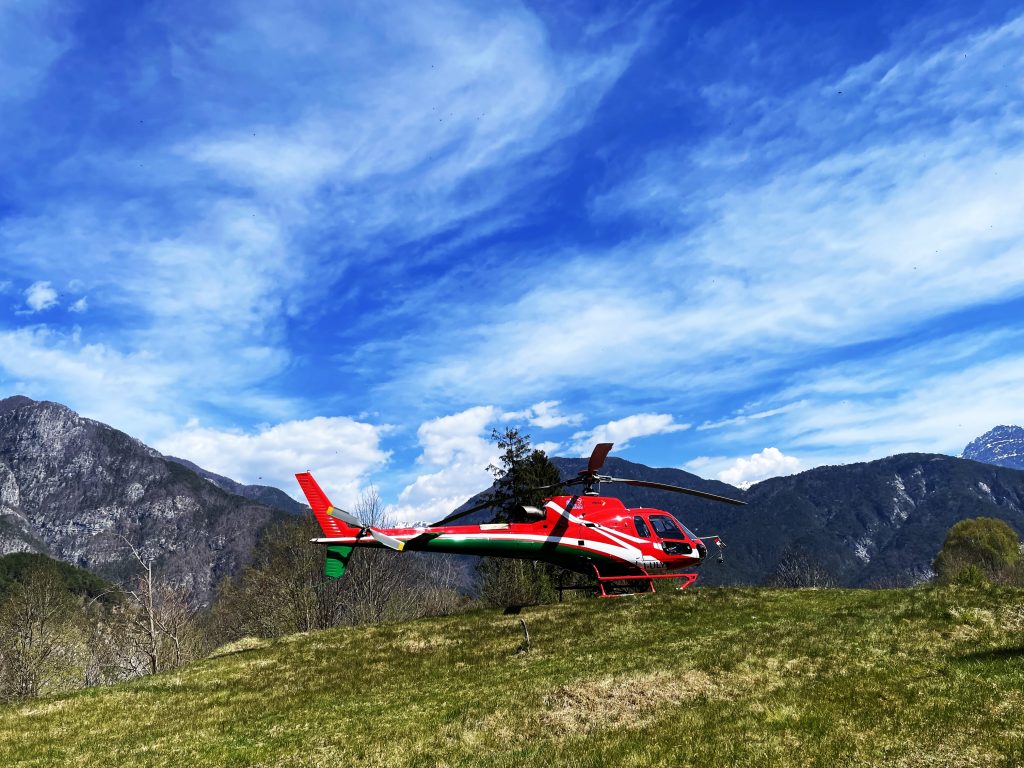
You walk on suspended bridges, next to waterfalls and shady woods, until you pass the final bridge to the other side of the river. Here, the real ascent begins. A steep stone path climbs relentlessly through the forest, made of ancient steps carved into the mountainside. The trail gains approximately 300 meters of elevation, demanding effort but rewarding it at every turn with glimpses of the valley below. The hike from Campiolo to Stavoli takes about 1.5 to 2 hours. For those unwilling—or unable—to hike, there is an alternative as dramatic as the landscape itself: occasionally, helicopter access is arranged.
Stavoli originated between the 17th and 18th centuries as a small mountain settlement made up of stone and wooden buildings. These structures were initially used as barns, haylofts, and temporary shelters during the haymaking season, reflecting the agricultural rhythms of life in the alpine environment. Until the 1950s and 1960s, the village came alive each spring, when families moved uphill for seasonal hay harvesting. During this period, Stavoli developed into a self-sufficient community, complete with its own school—active since 1879—and a church built between 1933 and 1935. Despite its remote location, it sustained a vibrant social and cultural life shaped by cooperation and resilience. The gradual abandonment of the village was driven by a combination of factors: the lack of stable employment opportunities, the migration of younger generations to urban areas, and the devastating 1976 Friuli earthquake, which accelerated depopulation and left many buildings in disrepair.
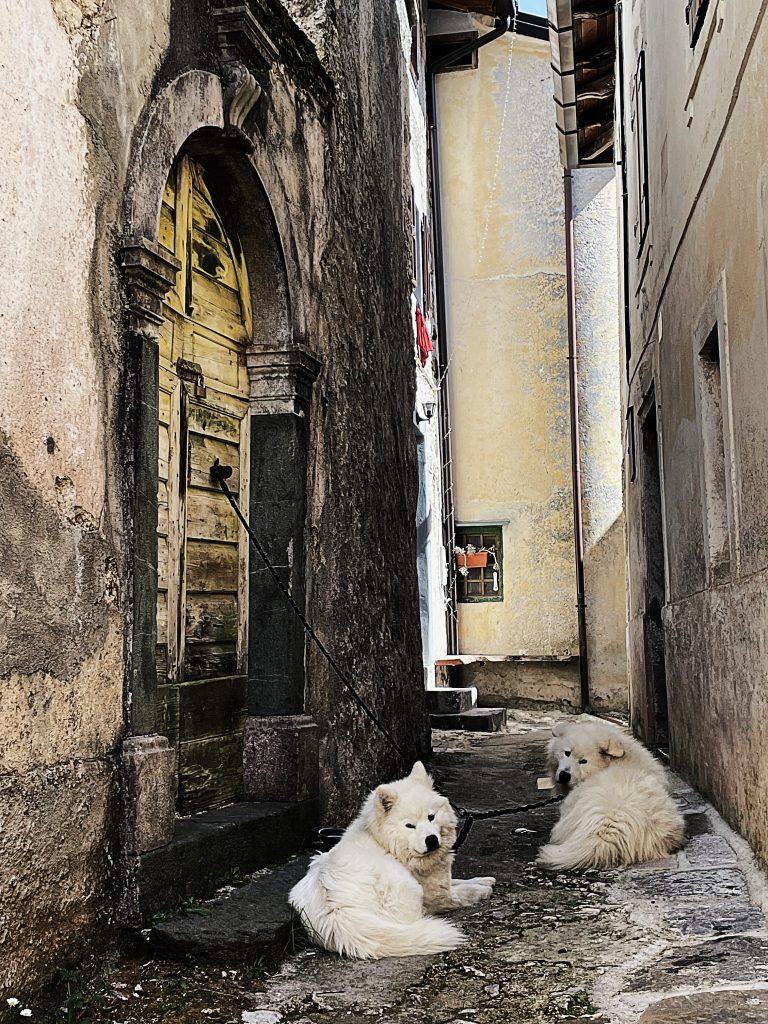
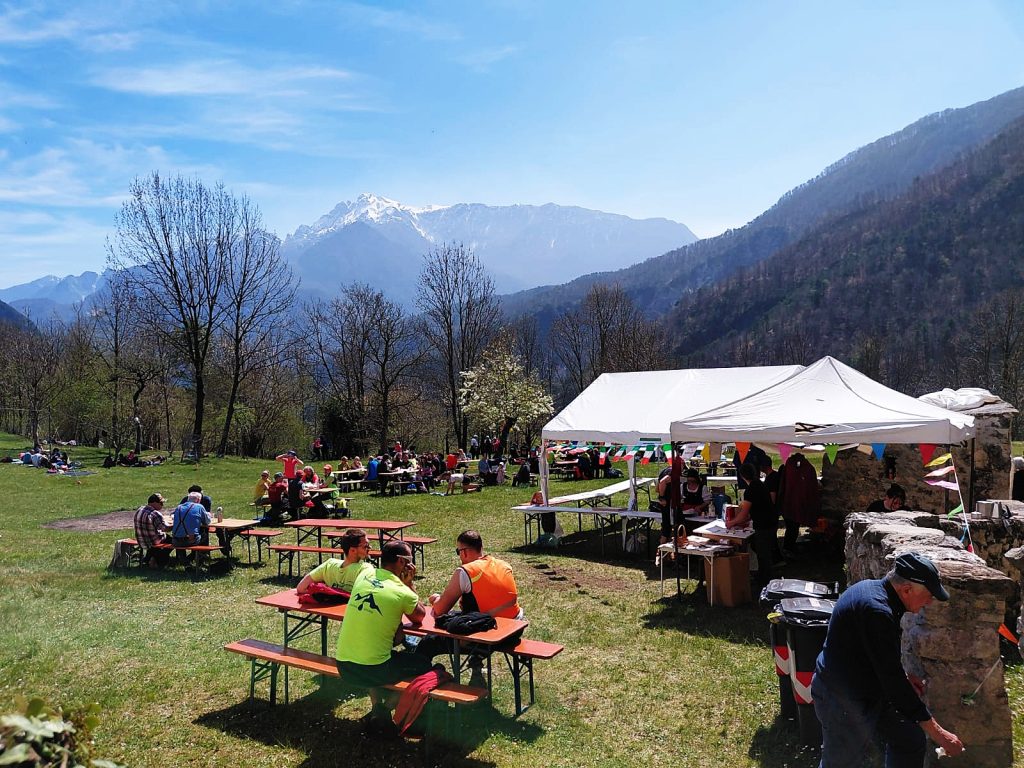
In recent years, the village has experienced a quiet revival. Thanks to the efforts of the Isola di Stavoli association, cultural events and workshops are now organized regularly, and around twenty houses have been gradually restored. These homes are used on weekends and during the summer months, attracting not only locals but also curious travelers drawn by the village’s unique atmosphere. Although electricity has been recently brought to the village, Stavoli is still without telephone signal or internet connection. Its remoteness has become part of its appeal, offering visitors a rare opportunity for complete digital detox in an unspoiled natural setting.
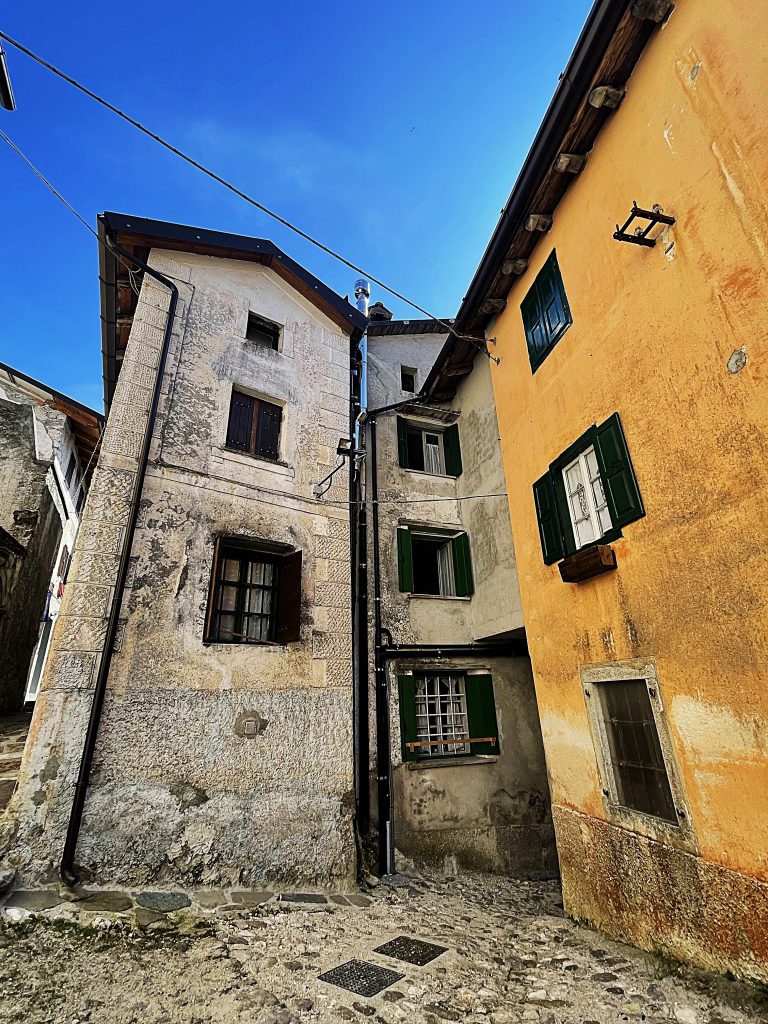
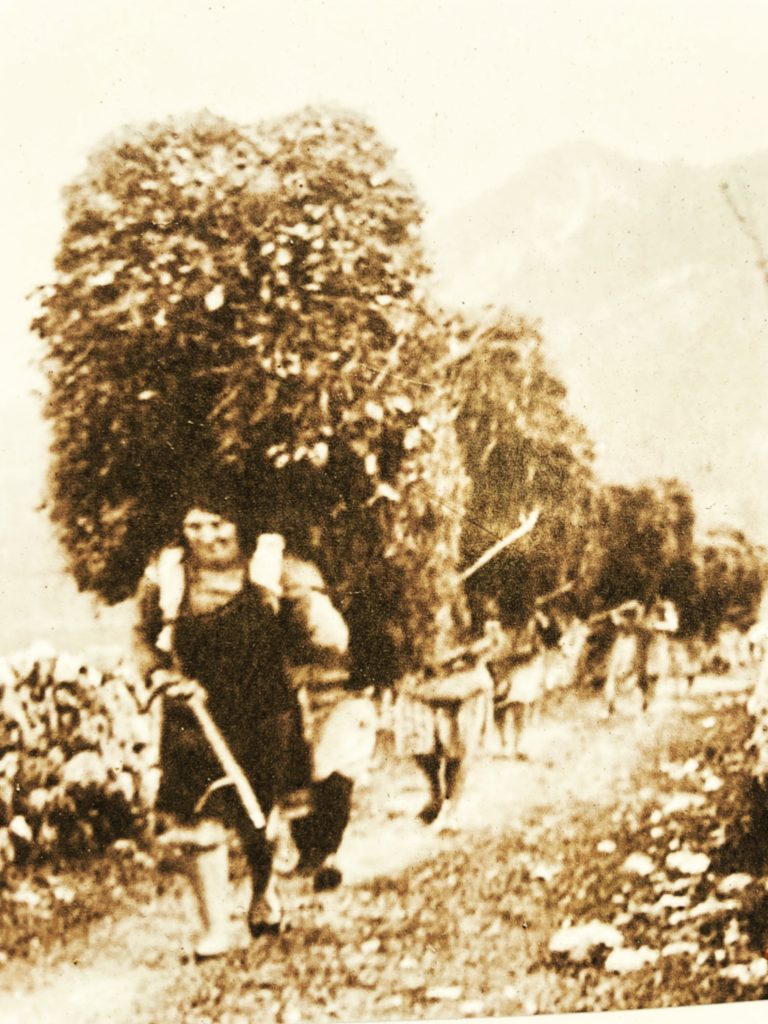
The work of the Isola di Stavoli association, however, is not about turning Stavoli into a tourist attraction. It is about preservation, memory, and community. To do so, they have turned the village into an open-air museum. At the entrance of each house, visitors will find historical photographs of the families who once lived there. Faces from another era—farmers, children, elders—watch quietly as life returns to their village. Walking through Stavoli feels like stepping into a living museum, where history is not behind glass but embedded in stone and wood.
The members of the association who are bringing Stavoli back to life are also surprisingly young. Artists, musicians, poets. From April to September they offer a rich calendar of events starting with the now very popular Easter Monday: live music, communal meals, and a festive atmosphere that draws visitors from across the region.
There are artistic events and traditional workshops every month from April to September. Check out the calendar on the website www.isoladistavoli.it
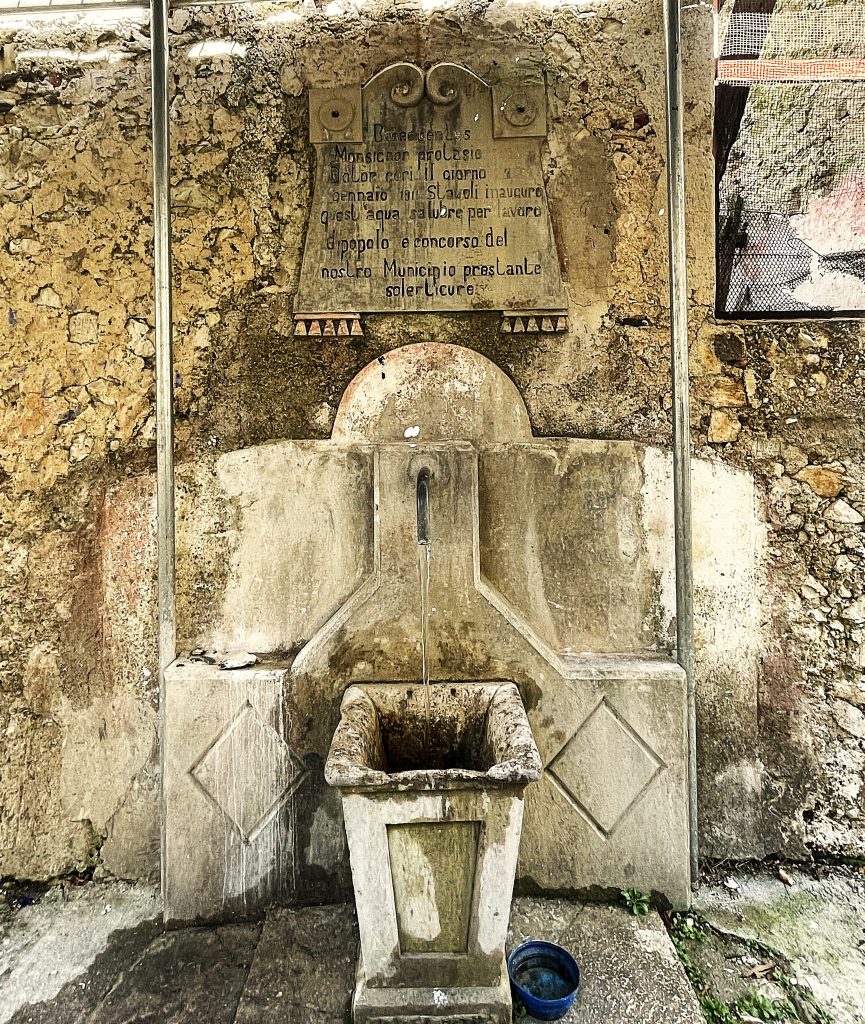
Before leaving, don’t forget to fill your bottle at the village’s stone fountain, where crystal-clear, icy- cold spring water flows pure, and incredibly refreshing, straight from the heart of the mountains.
In a world of easy access and instant gratification, Stavoli reminds us that some places must still be earned. And that is exactly what makes them unforgettable.