





















by InTrieste
This autumn, travelers in Friuli Venezia Giulia will have the opportunity to explore the region aboard restored historic trains, with five journeys scheduled between October and November linking food festivals, historic sites and places associated with the region’s 20th-century history.
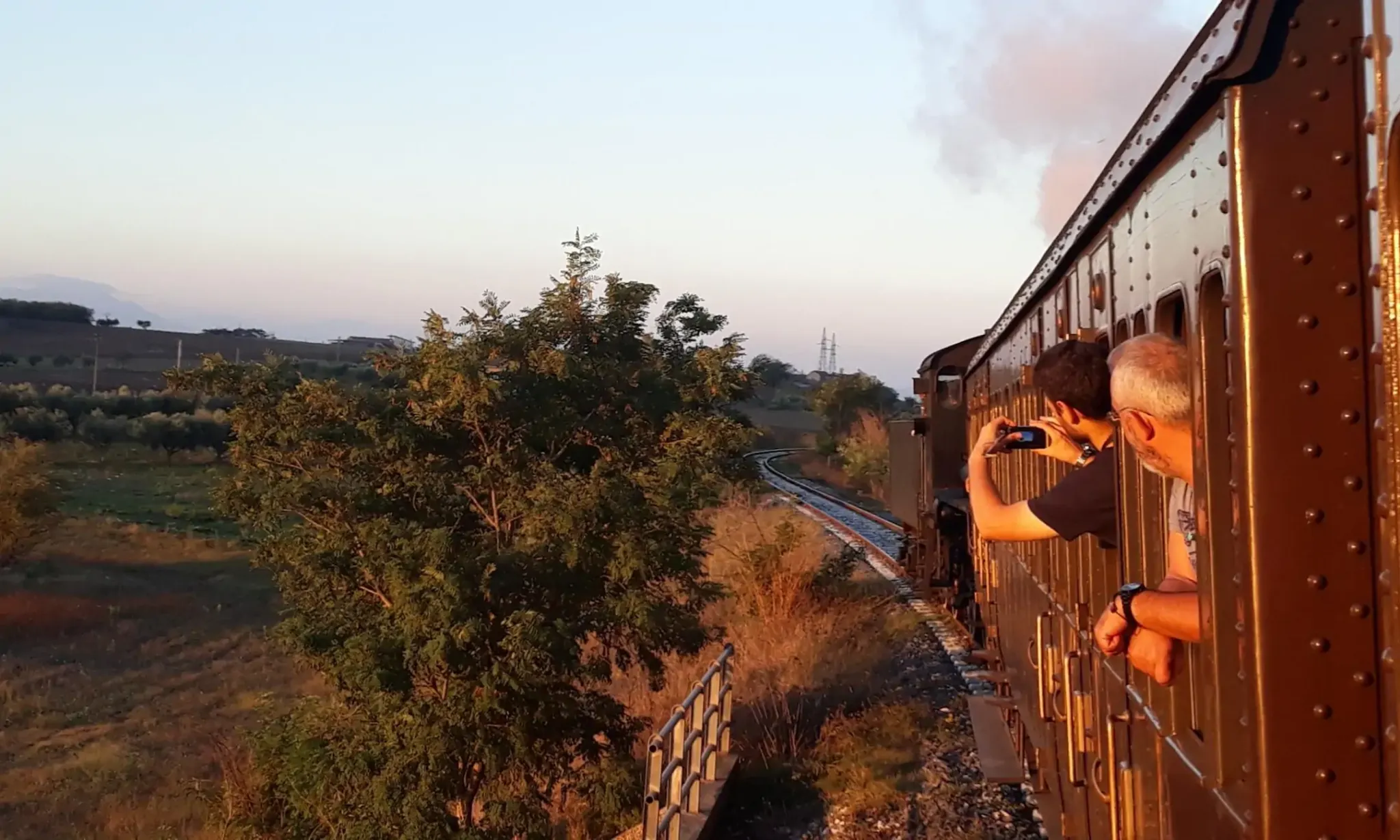
The program, organized by the Friuli Venezia Giulia regional government in cooperation with FS Treni Turistici Italiani and with operational support from PromoTurismoFVG, uses historic railway carriages known as “Centoporte” to connect destinations across the region. The journeys are designed to combine rail travel with visits to local events, museums, monuments and cultural sites.
The first journey, on Oct. 4, will travel from Gorizia to Cavasso Nuovo for the annual Festa d’Autunno, which celebrates the local red onion, recognized as a Slow Food Presidio, as well as pumpkins and other regional products. The event also includes food stalls, music, art and cultural activities.
On Oct. 18, a historic train will leave Trieste for Codroipo and the traditional Fiera di San Simone, an event centered on regional food and agricultural products. Passengers will also be able to visit Villa Manin and the Museum of Historic Carriages in San Martino di Codroipo. The railway museum association at Trieste Campo Marzio station will provide information about the history and technology of rail travel during the journey.
A third trip, on Oct. 25, will travel from Treviso to Venzone, a town rebuilt following the devastating 1976 Friuli earthquake. A guided visit will focus on the town’s architectural heritage and the technique of anastylosis, in which original pieces of damaged buildings are used in reconstruction.
The program will turn toward the region’s wartime history on Nov. 4, when the Treno della Grande Guerra will travel from Trieste to the Sacrario di Redipuglia, one of Europe’s largest military memorials from World War I. Guided visits will examine sites connected with the conflict and the history of the early 20th century. Passengers will also be served a traditional military-style meal.
The final journey, on Nov. 8, will focus on regional food. The Treno del Formaggio will depart from Sacile for Gemona del Friuli, where passengers can attend “Gemona, formaggio… e dintorni,” a market featuring dairy producers and other food specialties from Friuli Venezia Giulia and elsewhere in Italy. The event includes tastings and food workshops.
The autumn journeys form part of a broader 2026 historic-train program comprising 38 departures. This year’s calendar also places particular emphasis on the 50th anniversary of the 1976 earthquake and includes a focus on Pordenone, which is scheduled to become Italy’s Capital of Culture in 2027. Some journeys include guided tours and nature activities, while bicycles can also be carried on board, subject to limited capacity.
The trains are maintained and restored to preserve their historical character. That also means they may lack some of the conveniences found on modern trains, including centralized heating and summer air-conditioning, organizers said.
Tickets are sold at promotional fixed prices regardless of the distance traveled. Round-trip fares on electric- or diesel-powered historic trains are €10 for adults and €5 for children ages 4 to 11, while children under 4 travel free. Steam-train journeys cost €15 for adults and €7.50 for children ages 4 to 11. Passengers can also purchase one-way tickets, although seats cannot be reserved. Each historic train can carry up to 250 passengers.
Tickets are available online, at railway station ticket offices and self-service machines, and through authorized travel agencies, generally beginning two weeks before each departure.
The organizers have also added a frequently asked questions section covering practical matters including onboard comfort, accessibility, traveling with pets and safety procedures.
For a region whose railway network connects Alpine valleys, agricultural communities and Adriatic cities, the historic-train program offers a way of traveling that places the journey itself alongside the destination — linking food, memory and local history through a railway system that once formed a central part of everyday life.