






















by InTrieste
At the inauguration in Trieste, regional official Alessia Rosolen said universities and research institutions must address the ethical, social and security implications of emerging technologies.
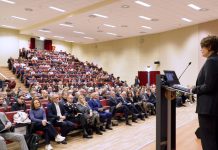
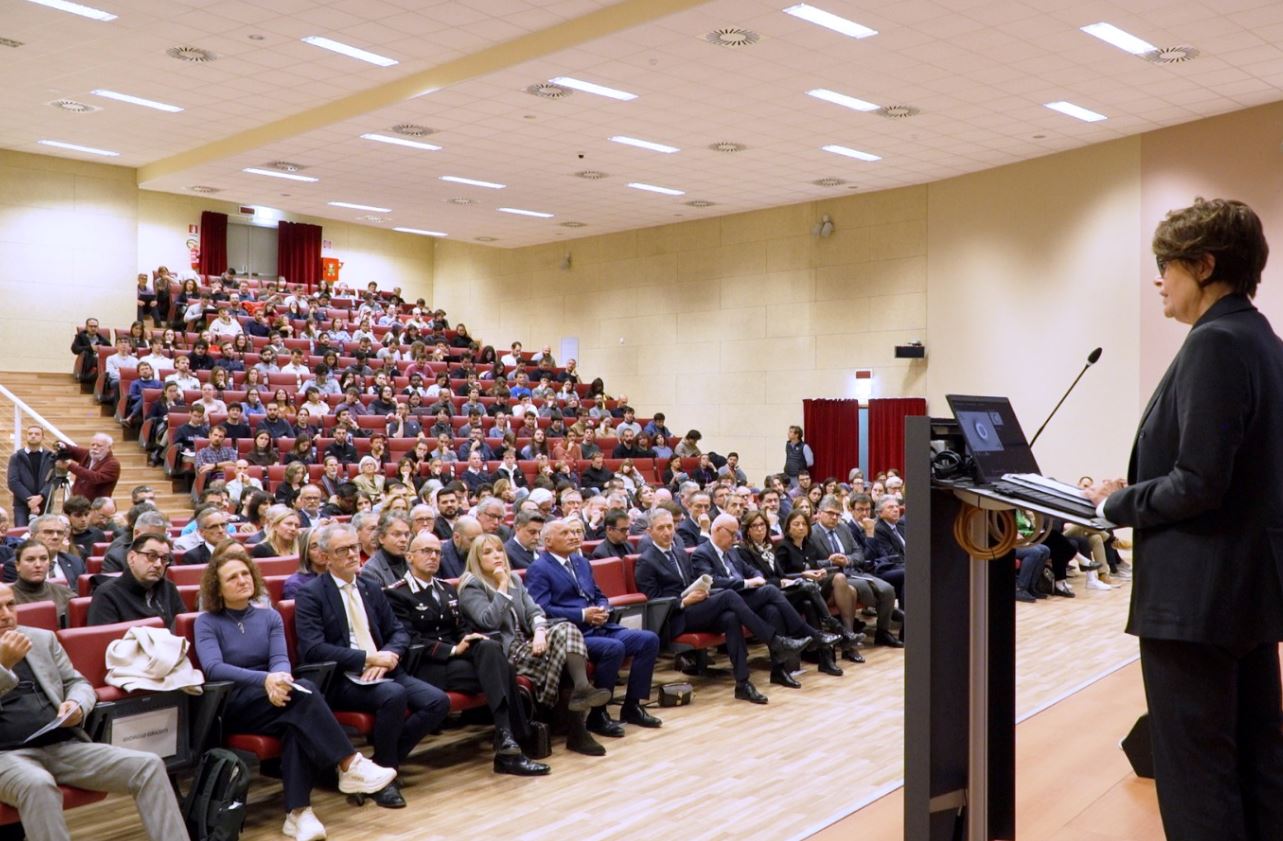
Scientific research institutions must take greater responsibility for the social and security implications of technological advances, Alessia Rosolen, Friuli Venezia Giulia’s regional councilor for education, research and employment, said Friday at the inauguration of the new academic year at the International School for Advanced Studies (SISSA) in Trieste.
Rosolen said the global research landscape was undergoing profound changes amid geopolitical instability, economic uncertainty and growing concerns about the use of advanced technologies.
She argued that universities and research centers could no longer focus solely on scientific discovery and technology transfer to industry, but must also consider the ethical consequences of innovation and its potential impact on public safety.
The councilor pointed to the growing risks associated with artificial intelligence, advanced algorithms and technologies with both civilian and military applications. She cited recent cyberattacks targeting essential services, including blood banks, supermarkets and air transport, as examples of how tools developed for everyday use could be turned against critical infrastructure.
Rosolen called for closer cooperation between scientific institutions, public authorities and private companies, saying that the ability to develop and control strategic technologies had become essential to economic competitiveness and social security.
She also highlighted the need for continued investment in research infrastructure and skilled workers in Friuli Venezia Giulia, identifying the energy transition, cybersecurity, artificial intelligence and demographic ageing as major challenges.
The region, she said, should also accelerate efforts to reduce Europe’s innovation gap and pursue new energy technologies, including nuclear power and hydrogen.
Rosolen concluded that scientific research needed a more multidisciplinary approach, with researchers assessing the potential consequences of their discoveries before they were put into practice.
She said the academic community should play a more active role in informing political, economic and social decisions in the decades ahead.