





















by Maximiliano Crocamo
Interviewees: Donata Vianelli, Rector of the University of Trieste; Luisa De Paola, Director General of the Ministry of University and Research
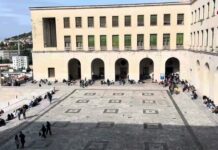
The University of Trieste hosted a national conference this week celebrating a major milestone in Italy’s effort to strengthen university career guidance: more than one million secondary school students have taken part in active university orientation programs, surpassing a target set under the National Recovery and Resilience Plan (PNRR) one month ahead of schedule.
The two-day event, “Orientati ad Orientare. Dagli eventi ai processi partecipativi e attivi” (“Guiding Those Who Guide: From Events to Participatory and Active Processes”), brought together guidance professionals and representatives from universities across Italy to assess how the PNRR has transformed university outreach and student support services.
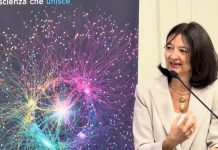
Speaking at the opening session, Luisa De Paola, Director General at Italy’s Ministry of University and Research, described the achievement as the result of unprecedented collaboration among Italian universities. She said that student guidance has evolved into a core component of higher education, no longer separate from teaching but an essential part of the university experience. More than €250 million has been invested nationwide through the PNRR to expand these services.
The conference also marked a turning point, as the current round of PNRR funding is set to expire on June 30. De Paola said existing national initiatives—including the POT (Piani per l’Orientamento e il Tutorato) and PLS (Piano Lauree Scientifiche) programs—could help sustain guidance activities, although with fewer financial resources. She emphasized that future success will depend on strengthening partnerships between universities and secondary schools.
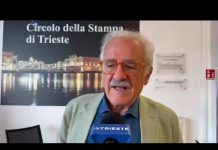
Donata Vianelli, Rector of the University of Trieste, said the university’s PNRR-funded guidance initiatives had reached approximately 8,000 students across Friuli Venezia Giulia, building on an institutional commitment to orientation that long predates the national program.
Vianelli said the greatest legacy of the PNRR may be the network of collaboration established among Italian universities, allowing institutions to exchange expertise and develop common approaches rather than operate independently.
“We hope the Ministry will continue to support these activities,” Vianelli said. “Not at the same level as before, perhaps, but enough to allow us to continue. The relationship between universities, schools and the network we have built is a real asset. But maintaining that network requires resources if we want these projects and connections to continue growing.”