



















by Maximiliano Crocamo
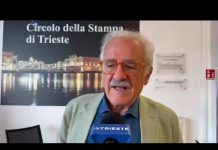
Interviewees: Sandra Primiceri, President of Coselag, Regional Centre for Economic Development; Serena Tonel, Deputy Mayor and Councilor for Economic Development, Theaters, and Major Events
City officials, industry leaders and researchers on Tuesday presented “Zona Industriale Net Zero,” a long-term plan aimed at accelerating the energy transition in Trieste’s industrial area through greater use of renewable energy, improved efficiency and lower greenhouse gas emissions.
The project, led by the Consorzio di Sviluppo Economico Locale dell’Area Giuliana (Coselag), is based on a technical and economic feasibility study examining energy consumption, infrastructure and renewable energy potential across the city’s industrial zone.
Researchers analyzed local energy demand and available resources, using satellite-based monitoring tools and data from the Region of Friuli Venezia Giulia’s APEA digital platform. The findings outline a series of technological and strategic measures intended to help businesses reduce emissions while maintaining competitiveness.
Speaking at the presentation, Deputy Mayor Serena Tonel said the initiative began during the energy crisis of 2023 but has become even more relevant today. She described the project as part of a broader effort to integrate industrial sustainability with the city’s wider energy and transportation systems.
According to the study, renewable energy sources could play a key role in lowering energy costs, improving supply stability and attracting investment. Proposed solutions include expanded solar power generation, industrial district heating systems and the future use of green hydrogen.
University of Trieste researchers noted that the region has set a target of achieving net-zero emissions by 2045 and argued that Trieste possesses the scientific, industrial and logistical resources needed to support that transition.
Project partners described the initiative as a framework for transforming the Coselag area into a more efficient and competitive industrial hub while advancing regional climate goals.