





















by InTrieste
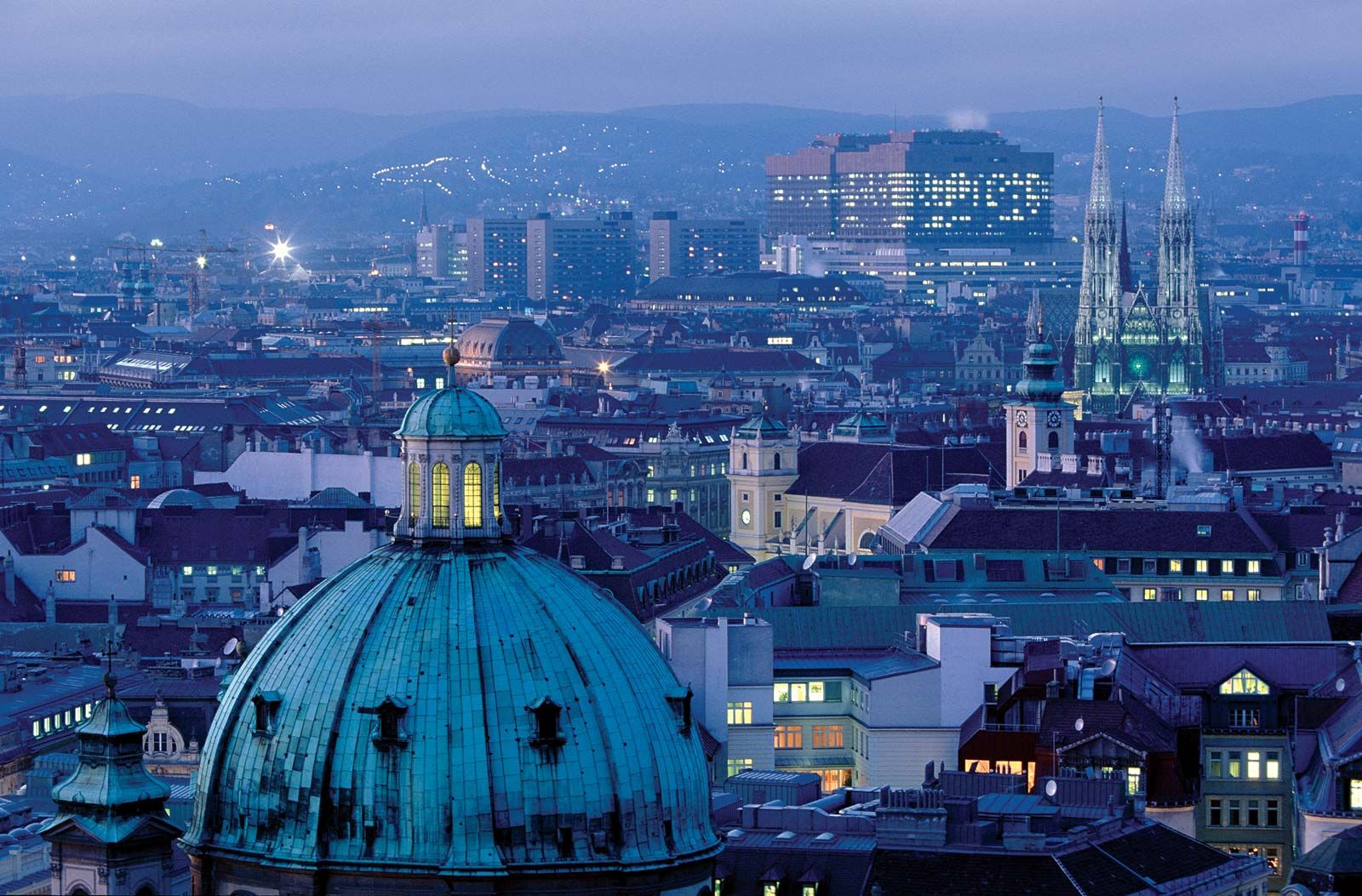
A new direct rail link between Trieste and Vienna, launched at the end of 2025, is being positioned by regional officials as both a practical transport upgrade and a symbolic reconnection of two cities long tied by history, geography and economic exchange.
The daily service, operated by the Austrian Federal Railways ÖBB using Railjet trains, connects the Adriatic port city of Trieste with Vienna in roughly 346 kilometers, with 11 intermediate stops along the route and a terminus at Vienna’s Hauptbahnhof.
Regional officials in Friuli Venezia Giulia have described the connection as a strategic infrastructure development for northeastern Italy, strengthening the region’s integration with Central Europe. Cristina Amirante, the regional councillor for infrastructure and territory, said the rail line reflects a renewed alignment between the two cities, which she characterized as complementary nodes within a broader European system of trade, mobility and culture.
Trieste, historically a maritime gateway to the Adriatic, and Vienna, long a political and economic center of Central Europe, are being linked more directly through a service that officials say enhances both business and tourism flows. The introduction of the route comes as European transport policy increasingly emphasizes cross-border rail connections as an alternative to short-haul flights and road freight.
A key factor in improving travel times is the recent opening of the Koralm Tunnel in Austria, a major infrastructure project that has significantly reduced journey durations between the Austrian regions of Carinthia and Styria, thereby improving overall efficiency on north–south rail corridors.
According to regional authorities, the connection is expected to reinforce Trieste’s role as a logistics and transport hub on the northern Adriatic, embedded within European mobility corridors that link southern ports with inland economic centers.
Beyond freight and infrastructure considerations, officials also point to cultural and tourism implications. Easier access between the two cities is expected to encourage increased movement of visitors in both directions, potentially deepening ties that date back to the Austro-Hungarian period, when Trieste served as the empire’s principal seaport.
For Friuli Venezia Giulia, the rail link is being framed as part of a broader effort to improve connectivity and competitiveness within the European Union, positioning the region as a more integrated and accessible crossroads between the Mediterranean and Central Europe.