























by Alessandra Ressa
In the damp spring forests surrounding Trieste and across Friuli Venezia Giulia, a lush green carpet briefly emerges between March and May. This is Allium ursinum, commonly known as bear garlic, a plant deeply rooted in local culinary traditions yet shadowed by a very real and sometimes fatal danger.
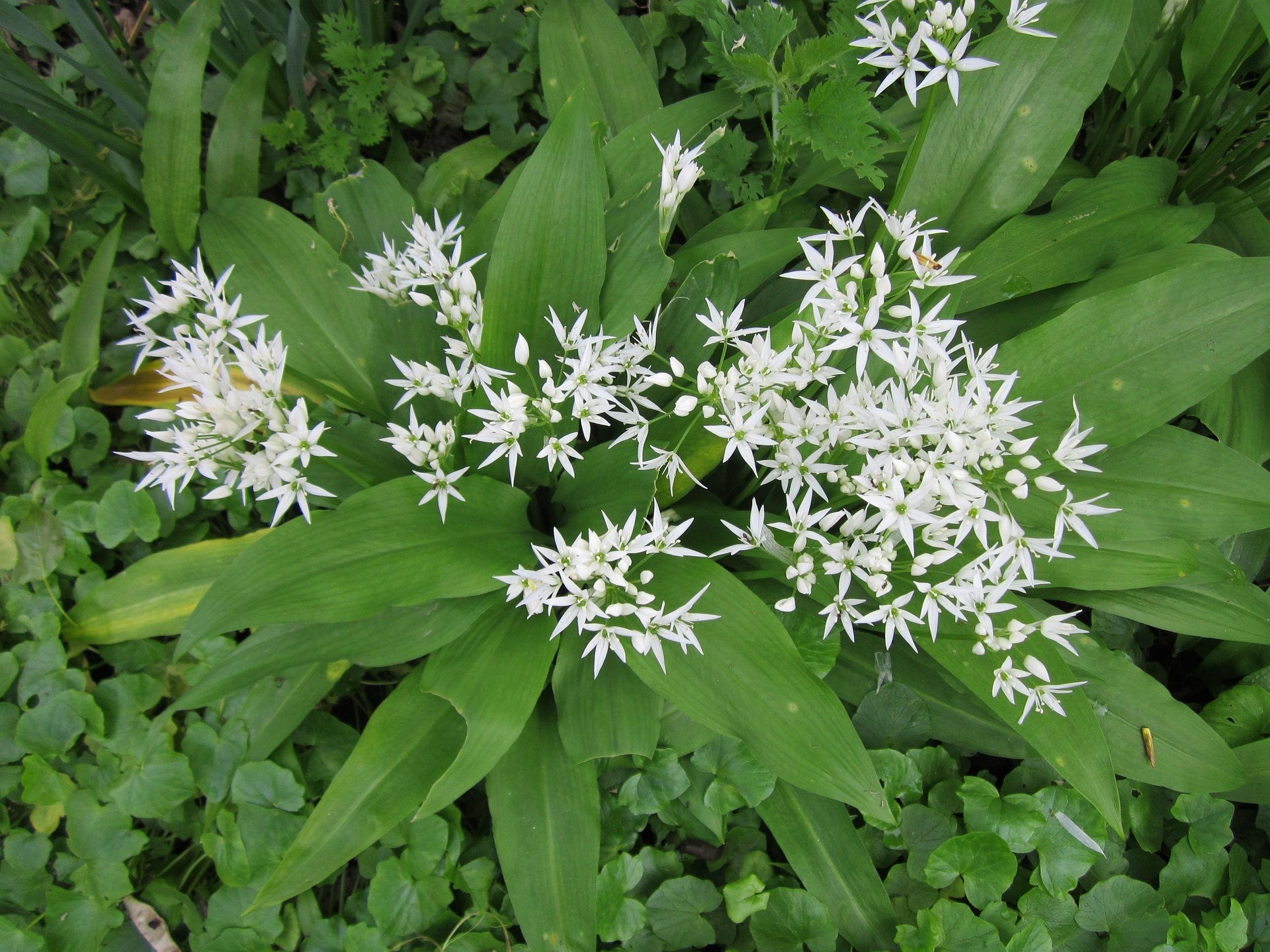
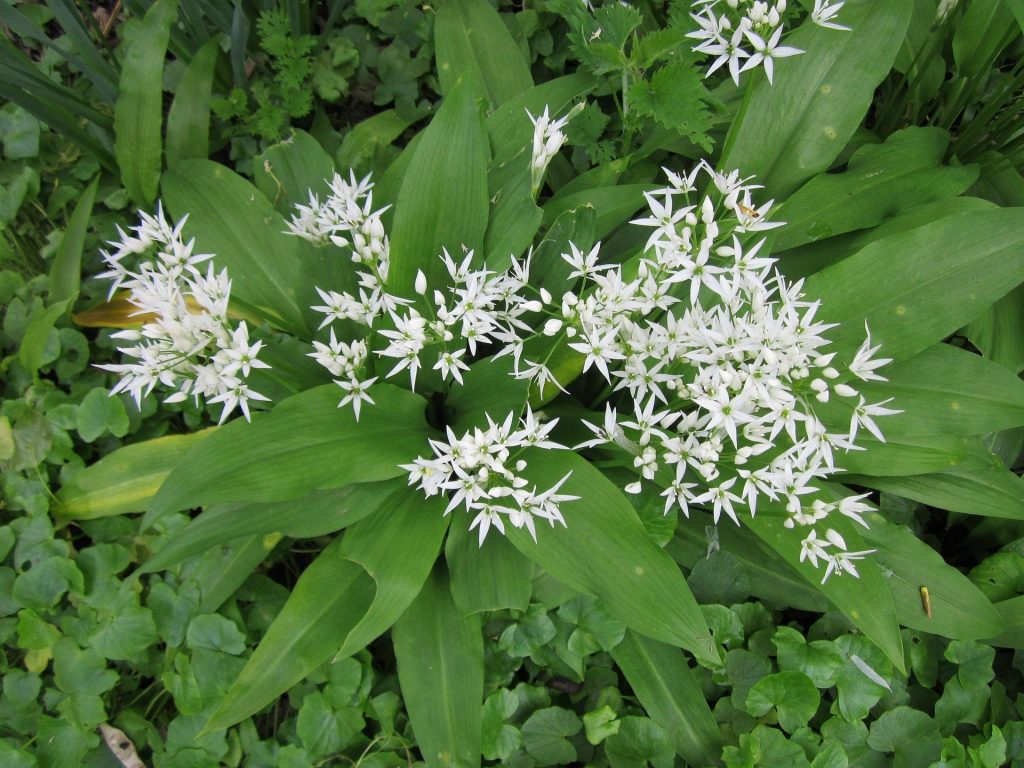
Bear garlic is a perennial woodland herb belonging to the onion family, recognizable by its broad, tender green leaves and delicate white star-shaped flowers. What truly distinguishes it, however, is its unmistakable garlic scent, released when the leaves are crushed. It thrives in moist, shaded environments, particularly in deciduous forests rich in humus, often forming dense colonies along streams, in ravines, and on the damp forest floors typical of the Pre-Alpine valleys. In Friuli Venezia Giulia, it is especially abundant in wooded zones near Trieste and in the provinces of Udine and Pordenone, while it is far less common in the drier central plains.
It is rich in vitamin C, antioxidants, and sulfur compounds similar to those found in cultivated garlic, which are believed to support cardiovascular healt and help regulate blood pressure. Traditionally, it has been used in spring as a cleansing herb, helping the body recover after winter.
The best time to gather bear garlic is in early spring, particularly in April, when the leaves are still young, tender, and full of flavor. As the plant matures and begins to flower, the leaves become tougher and lose much of their culinary appeal. Foraging during this short seasonal window has long been part of rural life in the region, where knowledge of edible plants was traditionally passed down through generations.
Today, however, this knowledge is no longer as widespread or reliable, and this is where the story becomes more serious. Bear garlic closely resembles several toxic plants, such as Lily of the Valley (Convallaria majalis), Autumn Crocus (Colchicum autumnale) and Arum (Lords and Ladies) .All three lookalikes are highly poisonous. The most dangerous is Colchicum autumnale. This plant contains colchicine, a highly toxic compound capable of causing organ failure and death even in small quantities. Every year in Europe, and occasionally in northeastern Italy, people are poisoned after confusing the two species. There have been fatal incidents in Friuli Venezia Giulia itself, where individuals unknowingly collected colchicum leaves and used them in cooking, believing them to be bear garlic.
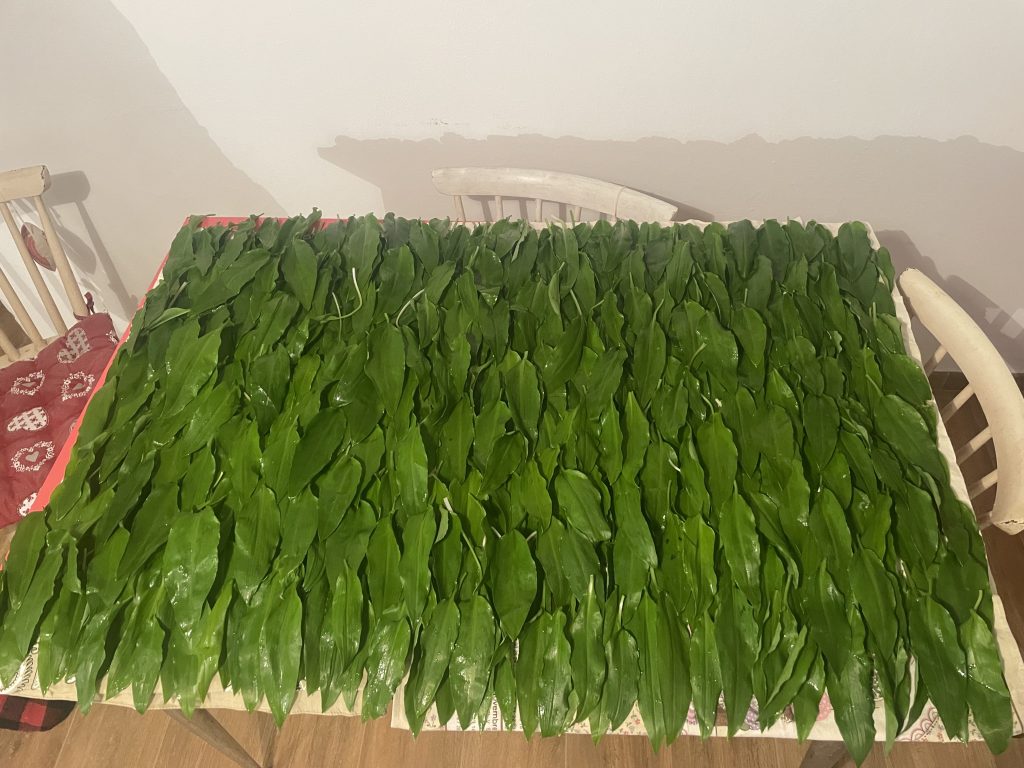
The danger lies in the visual similarity of the leaves, which can appear almost identical to an untrained eye. The most reliable way to distinguish bear garlic is by its strong garlic smell, which colchicum completely lacks. However, even this method can fail if different plants are mixed together during collection, allowing the scent to transfer and create a false sense of safety. For this reason, experienced foragers emphasize that identification must be absolute and that any uncertainty should immediately lead to abandoning the harvest.
Beyond the risks, there are also legal and environmental considerations. In Friuli Venezia Giulia, the collection of wild herbs is regulated. While small quantities of bear garlic may be picked for personal use, it is forbidden to uproot the plant, and harvesting is restricted or entirely prohibited in protected areas such as nature reserves and parks. Overharvesting has become an increasing concern in recent years, as growing interest in wild foods has led to ecological pressure on natural habitats. Sustainable practices are therefore essential, including taking only a few leaves from each plant and ensuring that populations are left intact.
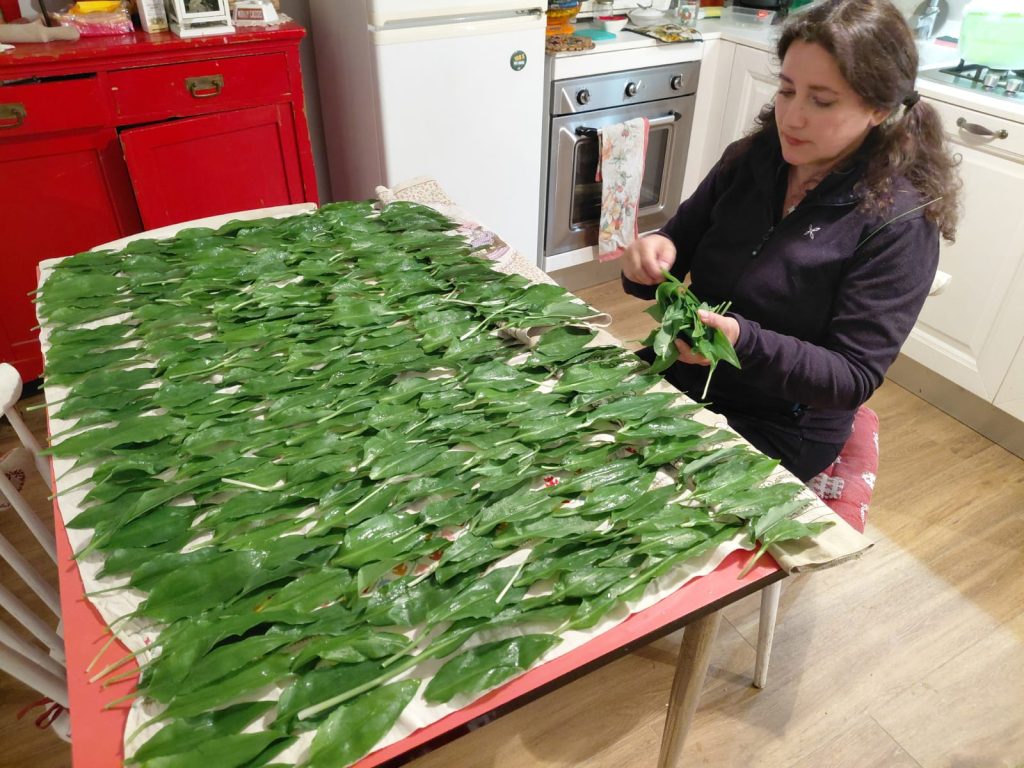
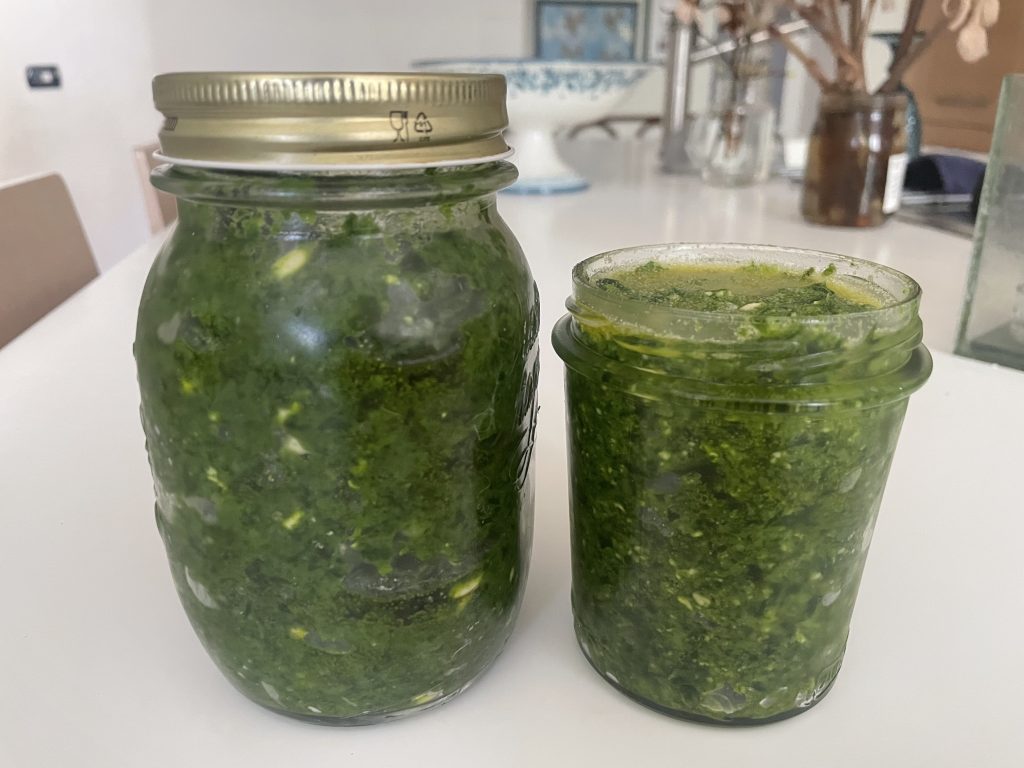
Despite these challenges, bear garlic remains a beloved ingredient in the local cuisine. Its flavor is milder and fresher than cultivated garlic, making it particularly versatile in spring dishes. One of the most popular preparations is a vibrant green pesto made by blending the leaves with nuts, optional Parmesan cheese, olive oil, and salt, creating a sauce that pairs beautifully with pasta or bread. It is also commonly used in risotto, where it is added at the end of cooking to preserve its aroma, or in simple soups combined with potatoes and leek to create a comforting seasonal dish. In rural kitchens, it often appears in omelettes alongside other wild herbs.
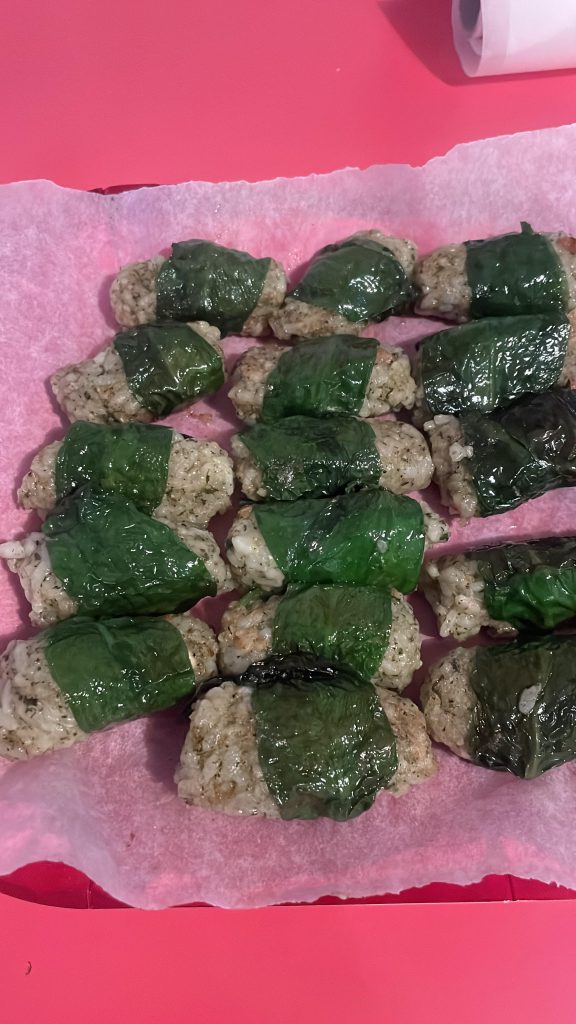
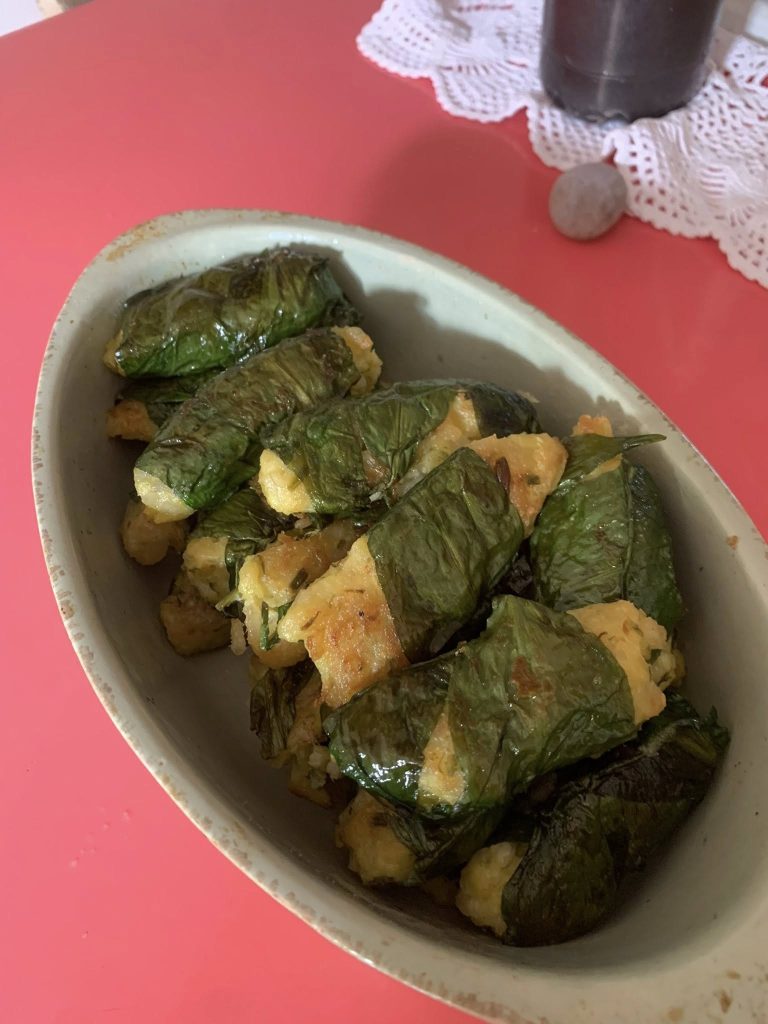
The leaves can be used whole to wrap meat or rice roll, and bread gnocchi rolls that can then be boiled, grilled or stir-fried in a pan. In Friuli Venezia Giulia, foraging for bear garlic is almost a ritual, and each experienced picker guards a personal, secret spot in the forest, revealed only reluctantly—if ever—to others.