
















by InTrieste
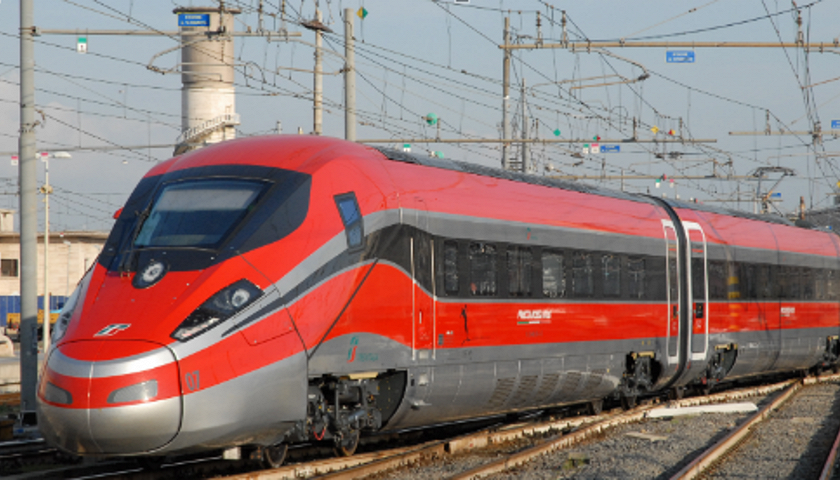
Regional officials from Friuli Venezia Giulia met in Rome last week with national rail authorities to address long-standing infrastructure concerns along one of the region’s key railway lines, while also advancing plans for an expanded program of historic train services set to begin next spring.
Cristina Amirante, the regional councillor for infrastructure and territorial planning, held talks with Aldo Isi, the chief executive of Rete Ferroviaria Italiana (RFI), focusing on the Casarsa–Portogruaro line, a corridor that has drawn attention for its level crossings and recurring disruptions. According to regional officials, the discussion centered on identifying the most critical crossings to be eliminated and determining which interventions should be prioritized in RFI’s next multi-year investment agreement.
The meeting also addressed broader challenges affecting rail travel in Friuli Venezia Giulia, including delays linked to extensive construction work currently underway across the network. Officials said measures are being evaluated to reduce the impact of these projects on commuters and long-distance travelers, with the aim of improving safety, traffic flow and overall quality of life in communities along the line.
The Rome visit continued with a separate meeting involving senior representatives of Fondazione FS, the organization that manages Italy’s historic railway heritage. The talks focused on defining the region’s historic train program for 2026, a calendar that is expected to be finalized by mid-February.
Regional authorities said the schedule will include confirmations regarding the availability of rolling stock and Trenitalia personnel required to operate the service. An official presentation of the program is planned for February, with services beginning in April. The proposed offering includes approximately 53 journeys, consisting of 37 routes carried over from 2025 and 16 new initiatives.
The expanded program will involve a wide range of municipalities and will coincide with the 50th anniversary of the 1976 earthquake that struck Friuli. Regional officials noted that rail transport played a central role in the post-earthquake reconstruction, a history that the historic train journeys are intended to highlight through dedicated events and themed itineraries.
Attention was also given to Pordenone, which has been designated Italy’s Capital of Culture. Planning is underway to ensure that historic trains will be part of the city’s cultural calendar, alongside additional initiatives linked to the designation. Details of those projects have not yet been made public.
Regional officials said further announcements would follow once planning is complete, as the region seeks to integrate rail heritage, cultural programming and infrastructure development into a broader strategy for territorial promotion and mobility improvement.