




















by Alessandra Ressa
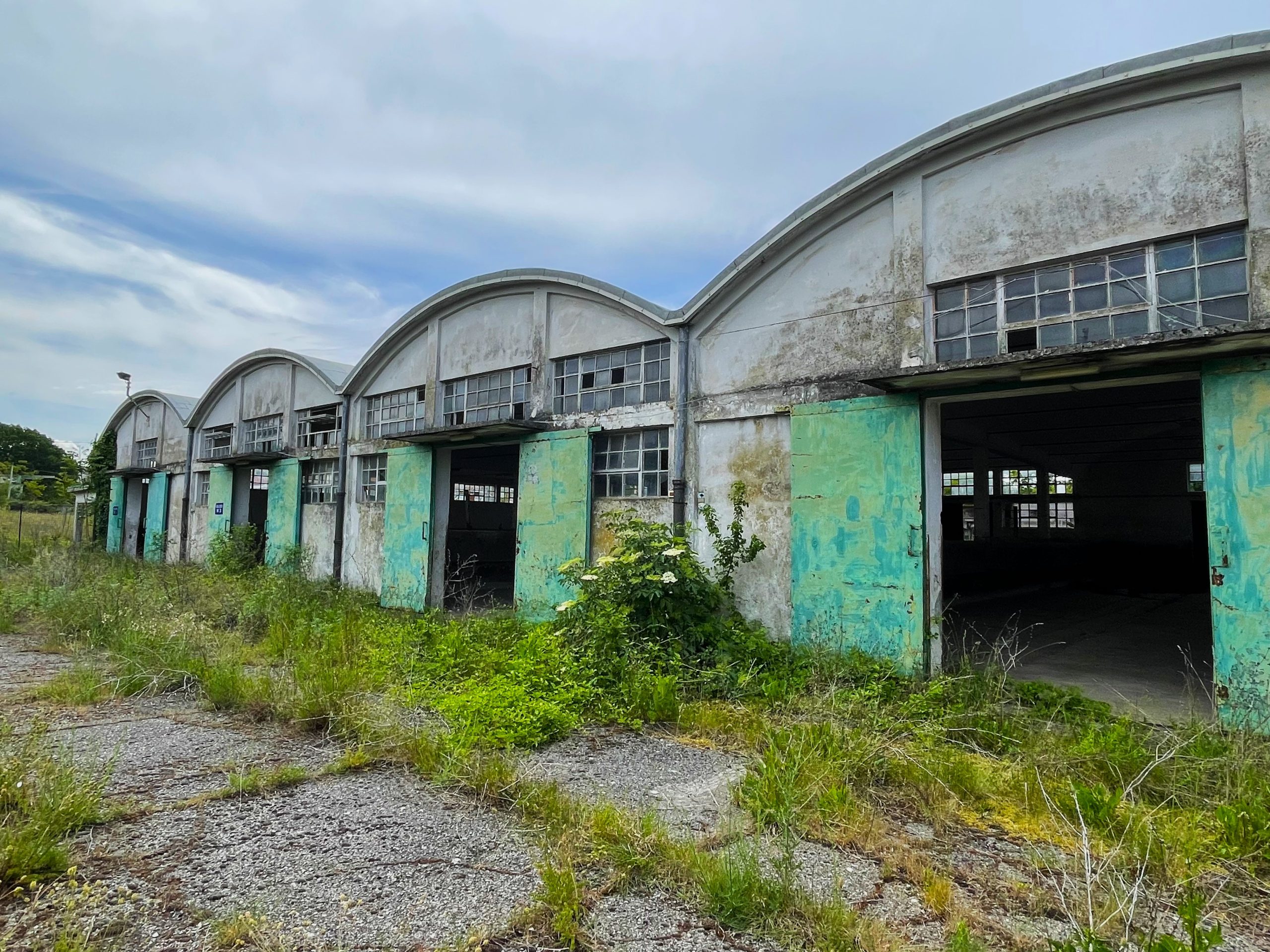
Rusted fences, endless concrete feeding troughs, railway tracks disappearing into weeds and silent industrial sheds once filled with the sound of frightened animals. On the Karst plateau above Trieste, in the area of Prosecco, two abandoned sites stand as remnants of a past built around the large-scale movement and killing of animals: the former Prioglio livestock transit and sorting center and the nearby ex-slaughterhouse now at the centre of a bitter political and ethical battle.
In March 2026, the Trieste City Council approved — by an almost unanimous vote — the reactivation of the former Prosecco slaughterhouse, backed by an initial €400,000 allocation from the Friuli Venezia Giulia Region. The project, already included in the regional financial measures approved at the end of 2025, aims to restore a local slaughtering facility after the closure of the Cormons plant.
But for many residents and activists, the debate surrounding the slaughterhouse cannot be separated from another haunting place nearby: the vast abandoned Prioglio logistics and livestock complex at Stazione di Prosecco.
For decades, the Prioglio area was one of the largest transit hubs for live animals moving between Eastern Europe, the Balkans and Italy. Located along the old railway line connecting Trieste with Central Europe, the station became a major centre for the transport, storage and trade of cattle, calves, sheep and other livestock. Historical records describe Prosecco station as one of Italy’s main transit points for live and slaughtered animals arriving from the Balkans. Overcrowding, long delays and extreme summer heat reportedly caused frequent animal deaths even before reaching their final destination.
The Prioglio compounds could hold enormous numbers of animals at the same time: up to 800 adult cattle, 2,000 calves, thousands of sheep and goats, pigs and horses.
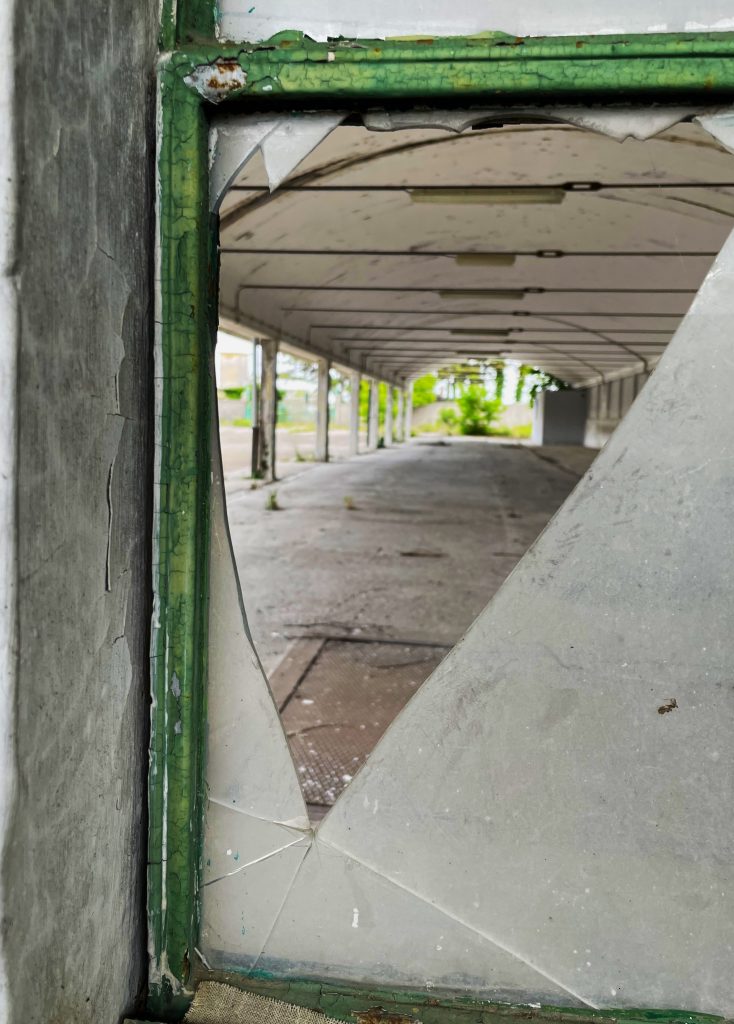
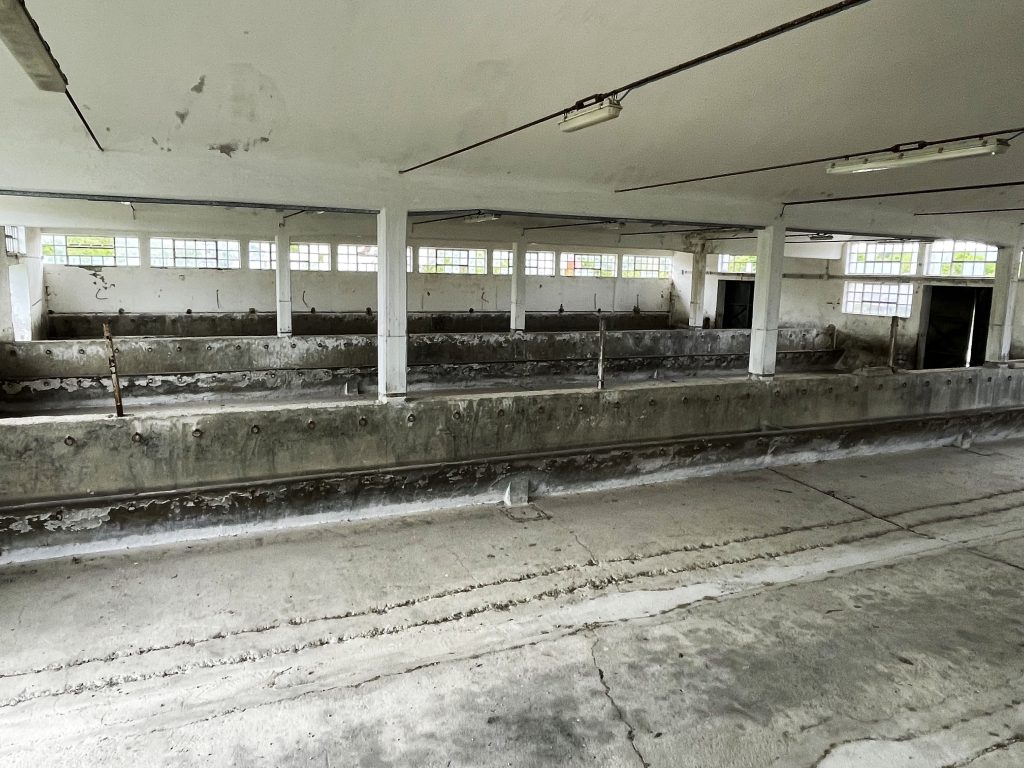
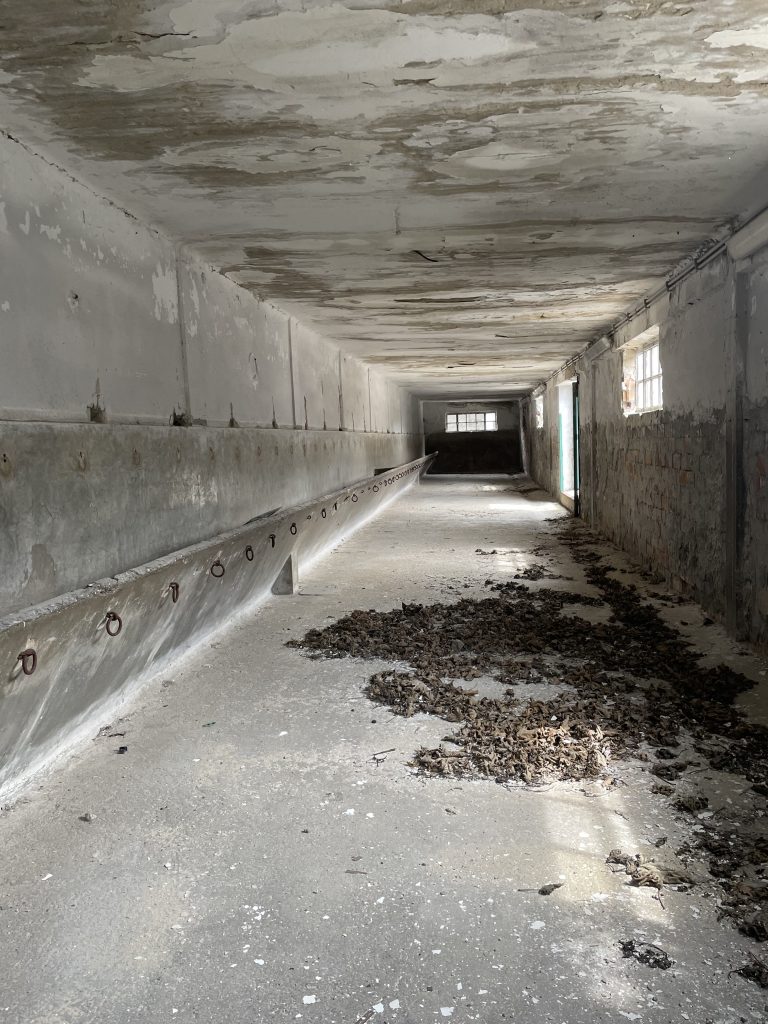
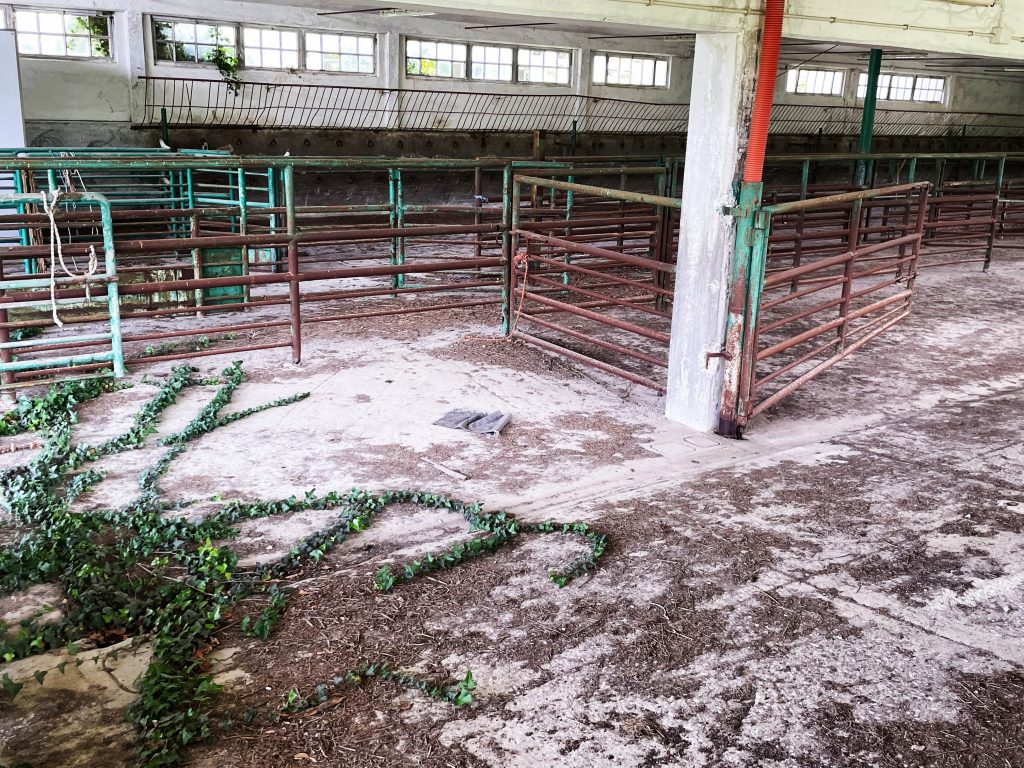
Today the area lies abandoned. Huge empty sheds still contain the long concrete feeding troughs where animals waited during transport stops. Railway sidings and loading ramps remain partially visible beneath vegetation. Rusted gates, iron fences and narrow corridors designed to force animals through one by one still stand inside the decaying structures.
Walking through the site today feels less like entering an industrial ruin than a forgotten detention complex. The atmosphere is oppressive: broken windows, collapsing roofs and silence interrupted only by the wind crossing the plateau. The architecture itself — mechanical, enclosed, built around control and movement toward a single destination — evokes for many visitors the imagery of a camp or extermination facility.
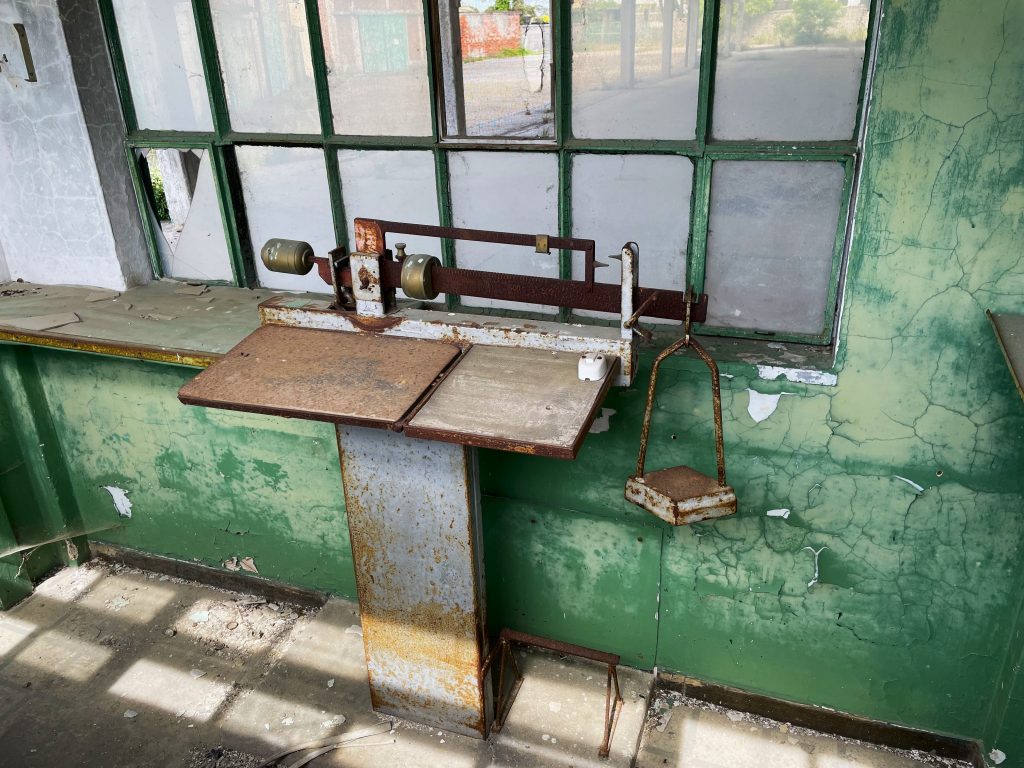
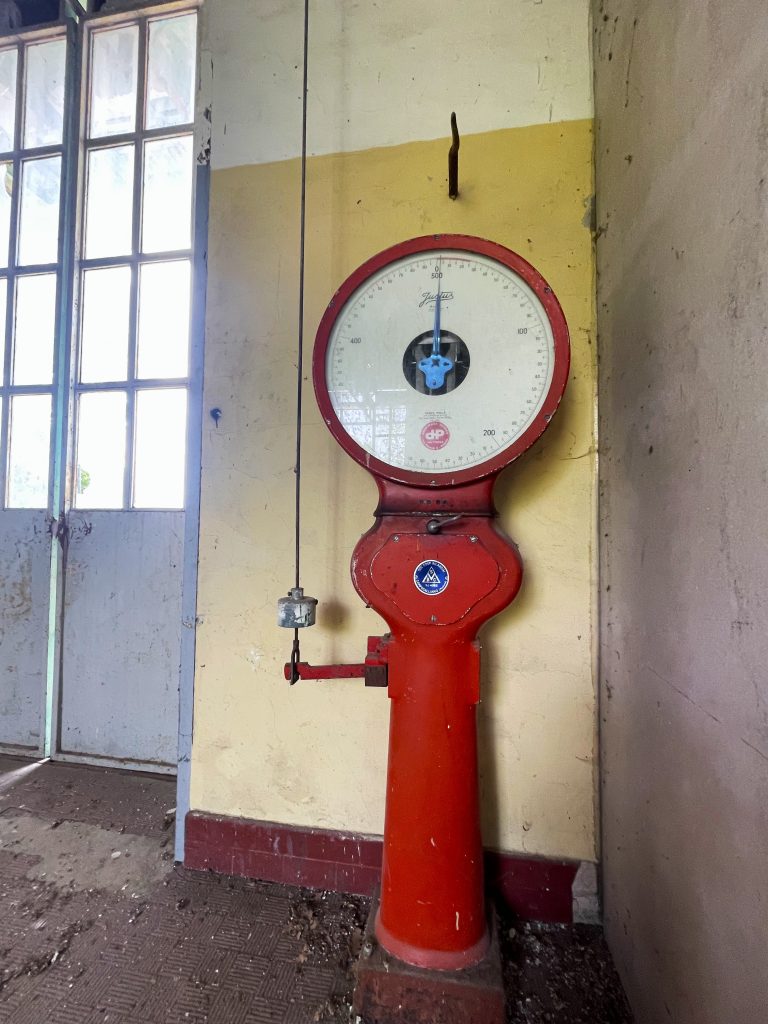
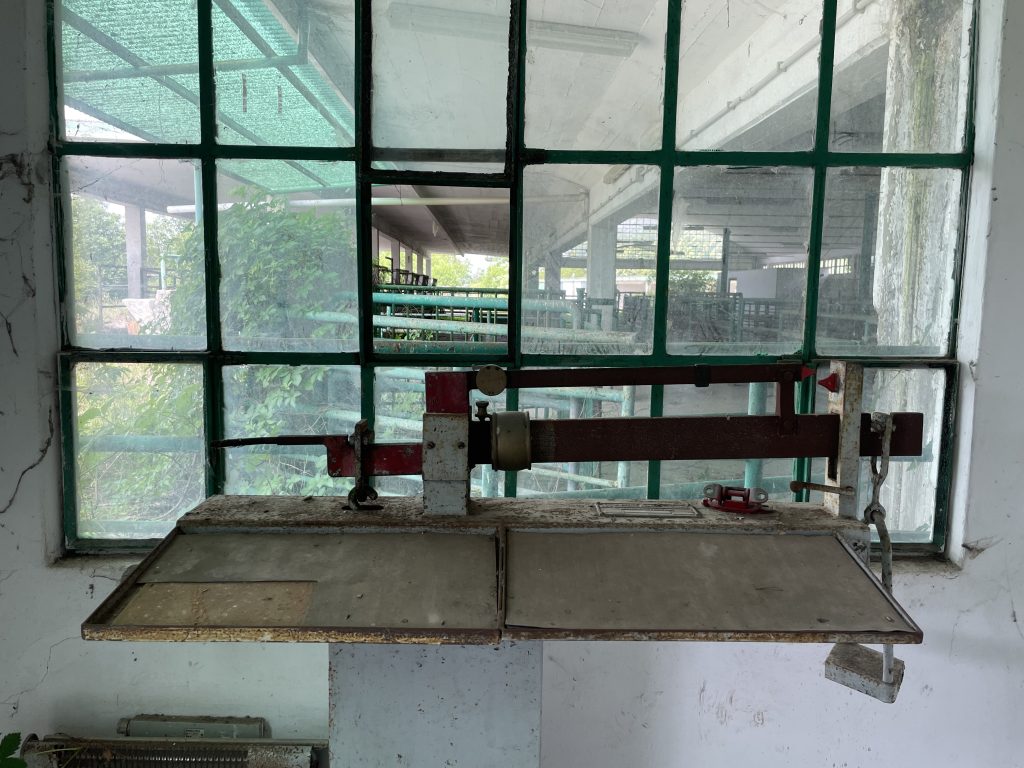
Only a short distance away stands the former slaughterhouse itself, another abandoned structure deeply connected to the same animal trade system. There, animals arriving from transit centres such as Prioglio completed the final stage of the chain. Metal turnstiles, slaughter corridors, hanging rails used for carcasses and industrial weighing scales are reportedly still visible inside the disused complex.
Supporters of the reopening argue that a local slaughterhouse is necessary to avoid transporting animals long distances outside the region and to support local agriculture and meat production. But opposition has rapidly intensified. Animal-rights organizations, environmental groups and local residents have held demonstrations and launched petitions against the project they describe as “anachronistic and unethical.” One petition opposing the reopening has gathered more than 2,500 signatures.
Critics argue that reopening the slaughterhouse would bring only a limited number of jobs while creating major problems for the Karst area: increased truck traffic, odours, wastewater disposal risks, possible contamination of underground water systems, noise pollution and damage to the environmental and tourism identity of the plateau. The Karst plateau surrounding Trieste is one of the most delicate ecosystems in northeastern Italy, characterized by porous limestone, caves and underground rivers. Environmentalists warn that industrial activity in such an area requires extreme caution.
For opponents, however, the issue is also symbolic. Prosecco is no longer just the site of abandoned industrial buildings. It has become a place where the traces of Europe’s old livestock trade are still physically present in concrete, steel and rust. And the issue goes beyond environmental impact. “You do not need to be vegetarian to feel outrage,” some protesters say.
To them, the Prosecco slaughterhouse is not simply an abandoned industrial site awaiting redevelopment, but a place inseparably tied to suffering, fear and death. Today, both facilities remain silent, frozen between past and future. Yet behind rusted gates, Trieste is now confronting a much larger debate — one involving ethics, public money, environmental protection and the meaning of progress in the twenty-first century.