


















by InTrieste
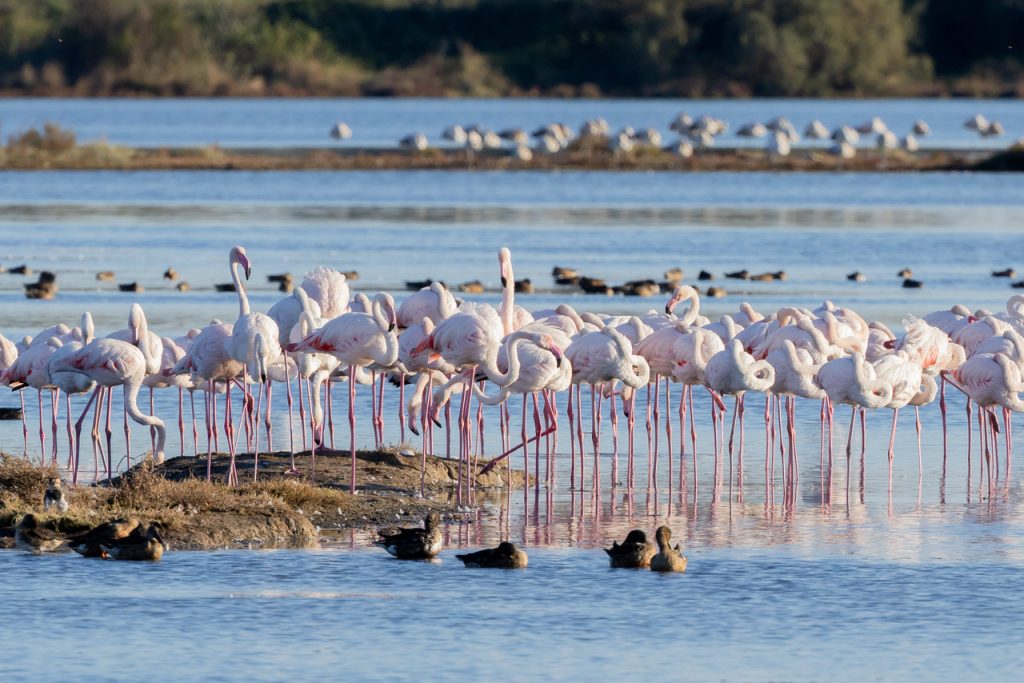
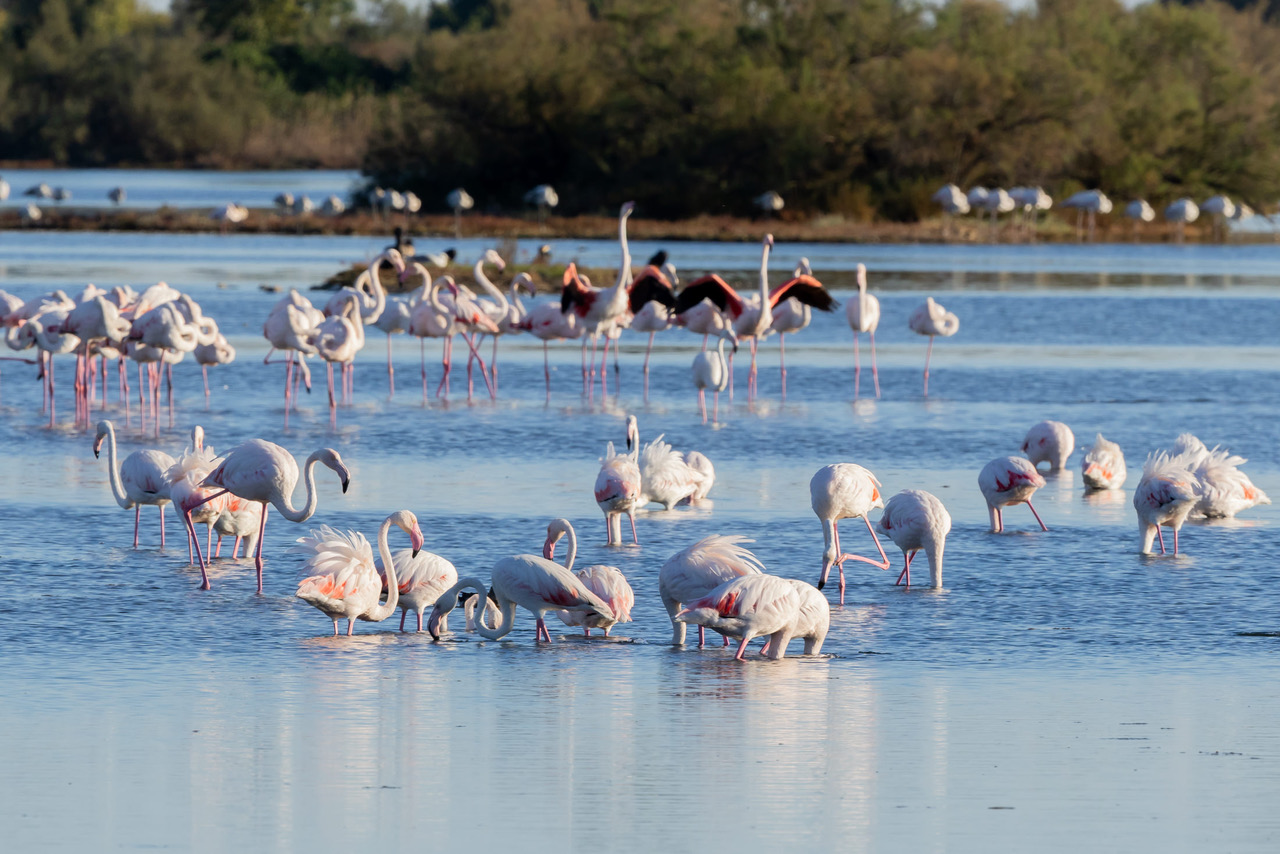
Each winter, the lagoon surrounding the seaside town of Grado in Friuli Venezia Giulia takes on a surprising shade of pink.
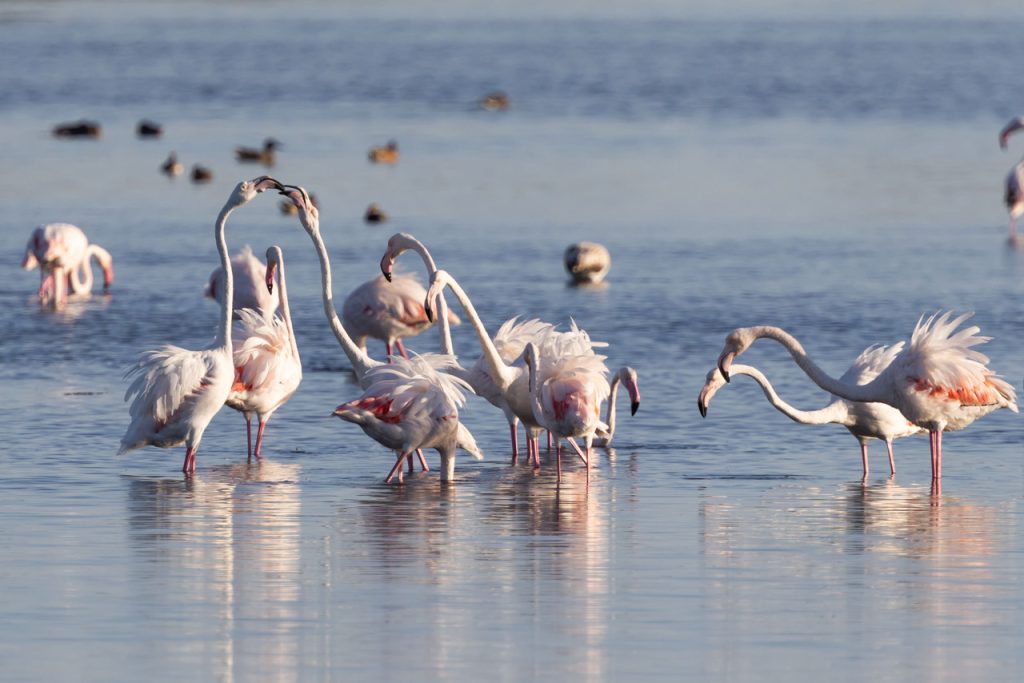
Between late winter and early spring, more than a thousand flamingos gather in the wetlands of the Valle Cavanata Natural Reserve, one of the largest wintering sites for the birds in the northern Adriatic. The flocks — often numbering between 1,000 and 1,500 — typically remain until April, feeding and resting in the shallow waters of the protected lagoon.
Early morning and sunset are the best times to spot them, when the birds move closer to the edges of the lagoon and occasionally near the nearby coastal cycling path.
The reserve can be reached from Grado’s historic center by bicycle along the FVG 2 coastal cycling route, a flat path that traces the edge of the lagoon and continues toward Trieste. The ride to the reserve is about 12 kilometers (7.5 miles) one way, passing reed beds, canals and wide stretches of open water typical of the region’s wetlands.
Within the reserve, visitors can continue on foot to several observation points overlooking the lagoon, where flamingos share the habitat with other migratory birds including teal, pintails and wild geese. Entry to the protected area is free and the trails remain open year-round.
For many visitors, the outing ends back in Grado’s old town, where restaurants serve traditional lagoon dishes such as boreto alla graisana, a local fish stew cooked with garlic, vinegar and pepper and traditionally accompanied by white polenta.
The result is a quiet winter excursion that combines cycling, birdlife and the distinctive landscape of the northern Adriatic lagoon.