






















by InTrieste
Gasoline refueling in Friuli Venezia Giulia is becoming more financially attractive for residents, thanks to a combination of national and regional measures, according to the regional official overseeing energy and environmental policy.
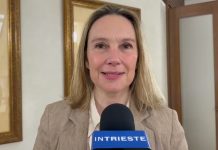
Fabio Scoccimarro, the regional councilor for Environment, Energy, and Sustainable Development, said the reduction of fuel excise duties by 25 cents per liter, announced by Prime Minister Giorgia Meloni, coupled with the region’s own discount program, has shifted the cost-benefit balance. “Refueling in our region is now more convenient than across the border, especially in light of recent price increases in Slovenia and limits on the volume of fuel that some neighboring distributors are imposing,” Scoccimarro said.
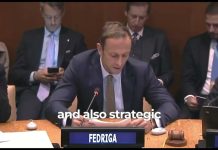
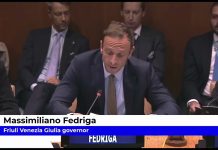
The councillor emphasized ongoing coordination with the national government. “We maintain constant dialogue on initiatives in this area and closely monitor the overall market trends,” he said, noting that decisions at the regional level are made in consultation with Massimiliano Fedriga and Regional Councillor for Finance Barbara Zilli. “Given the national excise cut, increasing the regional discount would not make sense at this time.”
Scoccimarro highlighted the structural measures the region has implemented over recent years, including resolving a European dispute, introducing a “super discount” during the COVID-19 pandemic, creating a border-area program known as Area 0, and transitioning residents from physical fuel cards to digital ones, with home delivery options. He said the regional investment amounts to nearly €65 million annually, supporting families while also mitigating the environmental impact of fuel tourism.
“The system protects residents, strengthens territorial competitiveness, and generates benefits for the regional budget, enabling support for essential services,” he added. “The resources deployed reflect a clear choice: to safeguard citizens’ purchasing power while maintaining balance in a sector that affects daily life for both individuals and businesses.”
Scoccimarro also noted persistent market irregularities. “There are still discrepancies in pricing from one locality to another, especially in border areas,” he said. He called on the petroleum sector to play its part alongside state and regional measures, which aim to provide a tangible advantage for consumers.