






by InTrieste
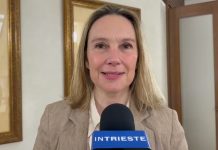
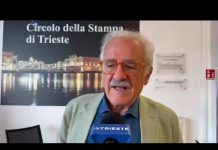
By the time Christmas Eve arrived in Trieste this year, hotel rooms were already in short supply. Across the city, 75 percent of accommodations were occupied, according to Maurizio Giudici, head of Federalberghi Trieste. For New Year’s Eve, that figure had climbed to 97 percent, effectively ensuring a sold-out city.
For a port town traditionally known for its literary heritage and café culture rather than mass tourism, these numbers mark a notable shift.
“December is definitely a positive month,” Giudici said. “We’re seeing good growth — even double-digit increases.”
The surge extends beyond the holiday season. As of October 30, Trieste recorded an 11.6 percent increase in tourist arrivals compared with the same period last year. For local hoteliers, the figures suggest that Trieste is steadily establishing itself as a prominent international destination.
Trieste’s appeal lies in its location at the crossroads of Italy, Central Europe, and the Balkans, along with its revitalized waterfront and a growing calendar of cultural and sporting events. Visitors are drawn to its Austro-Hungarian architecture, historic cafés, and reputation for high-quality, slow travel.
With growth comes the need for planning. “We need to give more structure to our tourism development,” Giudici said, emphasizing investments in infrastructure, accommodation, and services to sustain the momentum.
Looking ahead, 2025 is will continue to build on the current success, while 2026 could bring significant new initiatives. Giudici hinted that upcoming year-end announcements will outline projects aimed at further strengthening Trieste’s position as a leading urban destination.
For now, with hotels nearly full, restaurants busy, and visitors filling historic squares, Trieste is experiencing a level of tourism activity that would have been hard to imagine a decade ago.