














by Maximiliano Crocamo
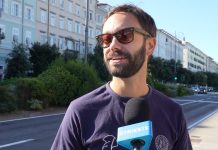
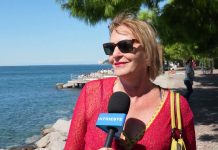
Interview: Carlo Grilli, Regional councilor Carlo Grilli of the Fedriga Presidente Group; Dr Laura Travan, director of Neonatology and Neonatal Intensive Care at the Burlo Garofalo; Serena Bontempi, president of the parents’ association Scricciolo.
Children born very prematurely at Trieste’s Burlo Garofolo hospital will receive free developmental assessments at ages 5 and 8 under an expanded follow-up program funded by the Friuli Venezia Giulia Region.
The €20,000 measure, presented Tuesday, is an extension of a pilot program designed to monitor children born before 32 weeks of pregnancy and identify developmental difficulties early enough for families to seek appropriate support.
The funding was presented by regional councillor Carlo Grilli of the Fedriga Presidente group, alongside Laura Travan, director of Neonatology and Neonatal Intensive Care at the Burlo, and Serena Bontempi, president of the parents’ association Scricciolo.
The funding was approved as part of the region’s 2026 budget adjustment following an amendment initially signed by Grilli and subsequently supported by the other members of his group and the regional executive.
Under the program, children are assessed at two key stages. At age 5, they receive a WPPSI-IV cognitive assessment, an eye examination and a psychological interview involving their parents. At age 8, the follow-up includes a WISC-IV cognitive assessment, a neuropsychiatric examination and another interview with parents.
The program is aimed at children born before 32 weeks of pregnancy. About 60 to 70 such births occur each year in Friuli Venezia Giulia, Travan said.
Italy’s National Health Service generally provides follow-up care for these children only through age 2, she said. Later assessments previously required families to pay a €36 co-payment, which could discourage some from returning for evaluation.
“Birth before 32 weeks is not a neutral event,” Travan said, noting that children born very prematurely face a higher risk of neurodevelopmental difficulties, including learning disorders, attention-deficit/hyperactivity disorder and autism-spectrum disorders.
The aim of the assessments is not only to identify difficulties but to detect them early, allowing families and schools to consider appropriate support before problems become more evident.
The project began in Trieste and has been extended to involve services in Udine and Pordenone. Travan said the team had initially expected roughly half of eligible children to participate but has exceeded that level.
Scricciolo has played a role in extending the program beyond the period covered by public health services. Founded in 2007, the association provides a psychologist for families in the Burlo’s neonatal ward and operates two free apartments for relatives of hospitalized babies.
Bontempi described the regional funding as decisive for continuing the initiative. The association has also invested about €5,000 in purchasing the cognitive tests used in the five-year assessments.
The program represents an effort to bridge a gap between the intensive medical care provided in the first years of life and the developmental needs that can emerge later, particularly as children approach school age.