
















report: Maximiliano Crocamo
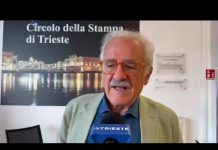
Interview: Fabio Scoccimarro, Councilor for Environment, Energy, and Sustainable Development
Three months after the Friuli Venezia Giulia regional government assumed control of its fuel discount program, demand has exceeded expectations, surpassing the volume previously handled in an entire year.
Since February 1, when management shifted from the local chambers of commerce to the regional administration, more than 30,000 applications have been submitted, compared with an annual average of about 25,000 under the previous system. Regional officials say thousands of requests have already been processed, with an average of roughly 1,800 applications completed each week.
The transition marks a significant administrative change, combining internal management with a fully digital system. The regional councillor for the environment, Fabio Scoccimarro, described the early results as “unprecedented,” pointing to both the volume of applications and the speed of adoption.
The increase appears to be driven by several factors. The service, which previously required a €20 fee for a fuel discount card, is now free. Residents can activate their accounts independently through a website or mobile application, lowering barriers to entry. At the same time, the financial incentives remain substantial, making the program attractive to a broad segment of the population.
Digital uptake has been particularly strong. The number of active digital cards has grown by more than a third in just three months, reaching nearly 370,000. Downloads of the region’s QRfvg app have risen by over 40 percent, surpassing 200,000 users.
The surge in demand has not come without challenges. Officials acknowledge that processing times have occasionally stretched from several days to up to two weeks, reflecting the pressure placed on administrative offices. Still, they characterize the delays as manageable given the scale of participation.
At the core of the initiative is an effort to keep fuel purchases within the region and discourage drivers from crossing the border into neighboring Slovenia, where lower prices have historically attracted Italian motorists. Regional authorities now argue that local fuel prices, once discounts are applied, are competitive with those across the border.
According to regional estimates, the program generates between €120 million and €130 million in revenue, with more than half returned to residents in the form of discounts. The average annual savings per person is calculated at approximately €104.
Discount levels vary depending on fuel type and vehicle category, with reductions reaching up to 39 euro cents per liter for gasoline and 30 cents for diesel in some cases. Officials say these measures are designed not only to support household budgets but also to reduce pollution and sustain local fuel distributors.
Security and privacy have also been central to the rollout. The system relies on a QR code that functions as a digital identifier, issued through certified channels such as registered email, postal delivery, or in-person collection. Regional authorities emphasize that the infrastructure, managed by the in-house IT company Insiel, does not allow access by unauthorized third parties.
Looking ahead, the region aims to expand the program’s functionality to include self-service fuel stations, allowing discounted refueling around the clock, including weekends. Officials caution that such an expansion will require further investment and technical adjustments.
The initiative has drawn attention beyond the region. Italy’s Ministry of Enterprises and Made in Italy has requested documentation on the project, signaling potential interest in adapting similar models at the national level.
For now, the program’s early performance suggests a strong public response to a combination of digital convenience and tangible economic benefit—an approach regional leaders say could serve as a blueprint for broader reforms.