




















interviews: Nina Vaclavikova
Italy has long sold the world an idea: that happiness can be found in a slow espresso, a shared meal, a life lived outdoors. Yet according to the World Happiness Report, the country ranks just 38th globally — a position that tells a more complicated story behind the postcard image.
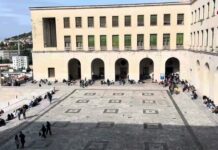
The gap is not about culture. Italy still scores high in what many would consider the essentials of a good life: strong family ties, a rich cultural landscape, and a deep sense of place. In cities like Trieste, daily life unfolds at a human pace, anchored in community and tradition.
But the ranking points to quieter, structural issues. Economic growth has been sluggish, particularly for younger generations. Stable jobs are harder to secure, and opportunities can feel limited. At the same time, trust in institutions — from bureaucracy to politics — remains fragile, shaping how people experience everyday life.
The result is a subtle imbalance. Italians often enjoy a high quality of life, but not always the stability or optimism that define the world’s happiest countries.
To understand whether la dolce vita still resonates today, we asked residents in Trieste. Many said it does — but differently than before. It is less about ease, they noted, and more about resilience: finding moments of joy despite uncertainty.
Italy’s 38th-place ranking, then, is not a contradiction. It is a reflection of a country that continues to offer beauty and meaning — even as it searches for a stronger foundation beneath them.