





















by InTrieste
The maritime route linking Trieste and the nearby town of Muggia carried a record number of passengers in 2025, underscoring a growing reliance on sea transport as part of the region’s public transit network.
According to data released by regional transport authorities, the year-round ferry service transported 183,361 passengers, an increase of 18 percent over 2024. It was the highest figure ever recorded for the route, which operates under Friuli Venezia Giulia’s public transportation contract and is managed by Trieste Trasporti in partnership with the private operator Delfino Verde Navigazione and the municipality of Muggia.
The summer months again proved to be the busiest. July saw more than 22,000 passengers, up 31 percent from the previous year, while August reached nearly 25,000, a 23 percent increase. Particularly sharp growth was recorded in September and December, both of which registered increases of 43 percent compared with 2024. The service also experienced pronounced peaks during major events and holiday periods, including Carnival, the May Day holiday, Ferragosto, and the Barcolana sailing regatta.
Unlike many maritime routes in the region — which operate only seasonally and are largely oriented toward tourism — the Trieste-Muggia line runs throughout the year and is used daily by commuters, students, tourists, and cyclists. In 2025, approximately 9,000 bicycles were transported on board, reflecting the route’s growing role in regional and cross-border cycling itineraries toward Slovenia and Croatia.
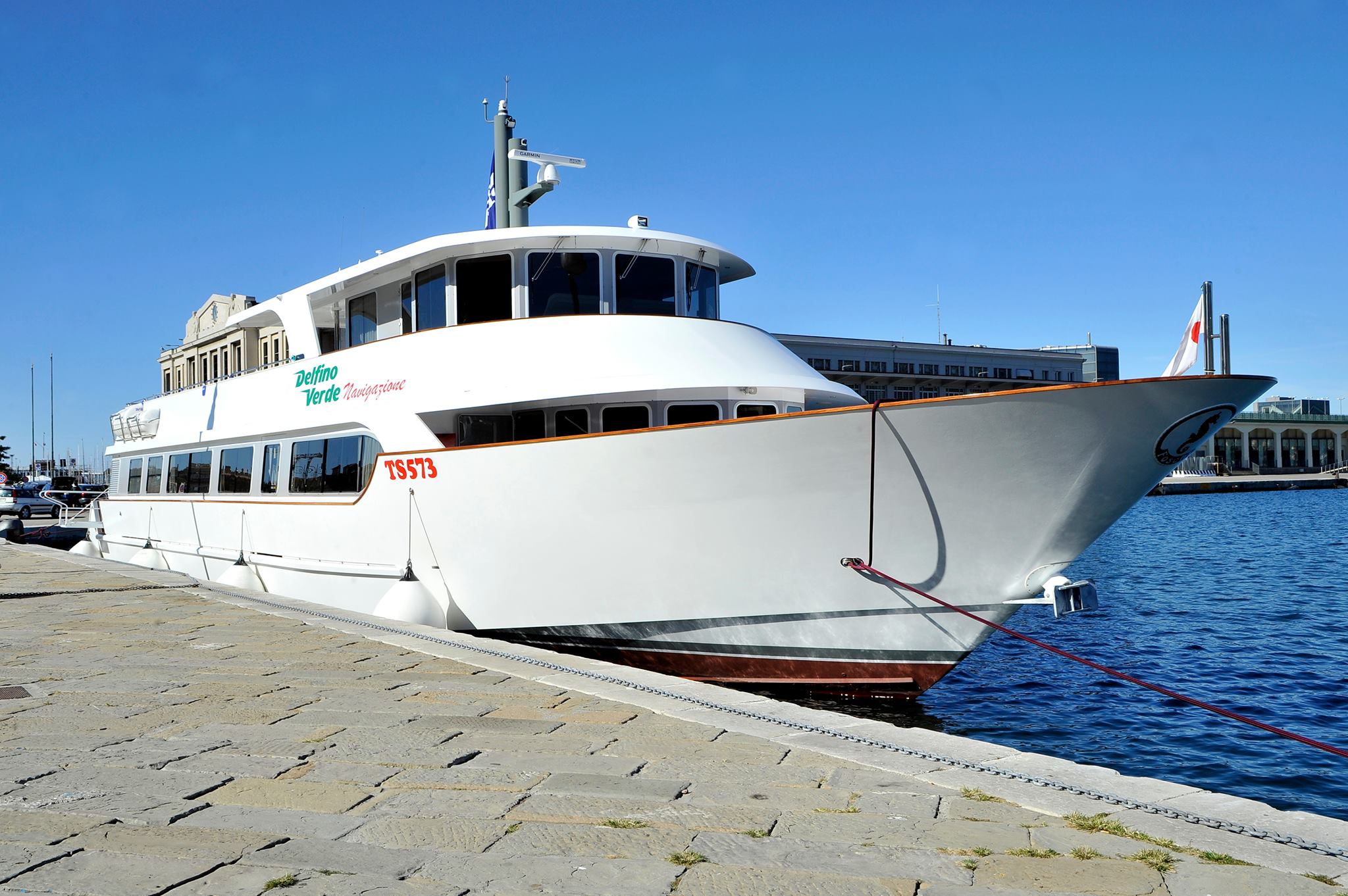
Several operational changes introduced over the past year appear to have contributed to the increase in ridership. Electronic ticketing was introduced in April, followed in May by the deployment of a new vessel, the Delfino Verde GT, which offers greater passenger capacity, improved onboard comfort, charging points for electric bicycles, and Wi-Fi access. Evening services were also added between mid-June and mid-October, attracting more than 6,000 passengers.
Regional officials have pointed to the line as an example of how maritime transport can be fully integrated into a public transit system, rather than functioning solely as a seasonal or leisure service. The ferry, they note, has become a routine option not only during peak tourist periods but also in everyday travel, including evening hours.
Local administrators in Muggia attribute part of the growth to the town’s expanding calendar of cultural and seasonal events, as well as to the appeal of arriving by sea for dining, walking along the waterfront, or attending festivals. Tourism officials have also indicated that the strong performance of the route supports longer-term plans to explore maritime connections beyond the immediate area, including potential links toward Istria.