




















by InTrieste
On a bright Saturday in Trieste, the eve of International Women’s Day unfolded with springlike ease. Cafés filled early along the waterfront as locals and tourists drifted through the city, many pausing to reflect on the day ahead. Across the region of Friuli Venezia Giulia, museums opened their doors free of charge on March 8, drawing visitors eager for both culture and celebration.
Down in Trieste’s streets, women shared simple plans for the day: dinner with friends, perhaps a stroll by the sea. One passerby offered a different perspective. “Every day should be women’s day,” she said with a shrug. “So I don’t really celebrate.”
Across Italy, however, the day remains both festive and political. On Sunday, March 8, the country will mark International Women’s Day with demonstrations, cultural initiatives and symbolic traditions that have become part of the national calendar.
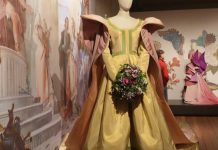
Women will be admitted free of charge to Italy’s state museums and archaeological sites, part of a nationwide initiative that encourages reflection on women’s contributions to culture and society. Special programs — from lectures to guided tours — are planned in cities including Trieste, Rome, Milan and Florence.
The day of events will be followed on Monday by a nationwide general strike called by labor organizations to protest violence against women and demand stronger protections and greater gender equality. Disruptions are expected in sectors including education and health care.
Yet for many Italians, the most visible symbol of March 8 remains the mimosa. Florists across the country sell millions of sprigs of the small yellow flower each year — around 13 million, according to industry estimates — offering a burst of color that has come to define the holiday.
International Women’s Day, observed annually on March 8, highlights issues such as gender equality, reproductive rights and violence against women. Its roots trace back to 1908, when thousands of women marched through New York Citydemanding shorter working hours, better pay and the right to vote. The following year, the Socialist Party of Americadeclared the first National Woman’s Day.