











by Nina Vaclavikova
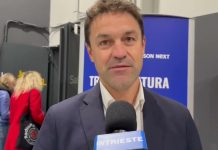
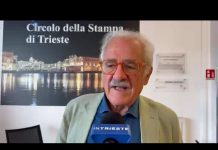
Interviews: Everest Bertoli –Trieste City Councilor for Project Financing and Porto Vecchio-Porto Vivo; Alberto Carone – Head of Energy Project Development for Urban Regeneration, Edison Next; Elisa Lodi – Trieste City Councilor for Public Works
Trieste is positioning public lighting as a key element of its urban development strategy, combining energy efficiency, public safety and architectural design through a partnership with Edison Next.
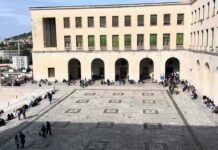
The issue was discussed during a meeting titled Trieste Futura – Light as a Driver of Urban Regeneration and Territorial Transformation, held at the Generali Convention Center in the city’s Porto Vecchio-Porto Vivo redevelopment area.
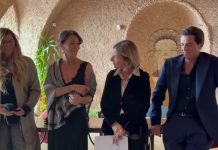
Participants included Alberto Carone, head of Energy Project Development for Urban Regeneration at Edison Next; Everest Bertoli, the city’s councillor for project financing and Porto Vecchio-Porto Vivo; Elisa Lodi, councilor for public works; and Giulio Bernetti, director of the city’s Department of Territory, Environment, Public Works and Property. The discussion was moderated by Vittorio Sgueglia Della Marra, director of institutional information and communications.
The meeting followed the presentation of Edison Next’s strategic plan for Trieste, with work beginning in July. The project is intended to modernize the city’s public lighting infrastructure while adapting lighting design to the character and needs of different neighborhoods.
Carone said the initiative aims to combine technological innovation and energy savings with improved public safety and the visual quality of urban spaces. He noted that lighting systems differ in how they distribute and regulate light, with choices that can influence how residents experience streets and public areas.
Bertoli described the project as part of a broader strategy to attract private investment while keeping public authorities responsible for setting priorities. He said the financing model would bring €26 million in private capital into the initiative, allowing the municipality to direct public resources toward other priorities, including schools, roads and social services.
He also said the project sought to reconcile aesthetic considerations with energy efficiency, two objectives that can sometimes conflict.
Lodi emphasized the connection between public lighting and infrastructure, saying that schools, sports facilities, public buildings and streets all require adequate illumination to ensure accessibility and a sense of security.
The municipality manages about 100 sports facilities, including school gyms, making energy consumption an important concern. Lodi said the city was pursuing both financial support for sports associations facing higher energy costs and structural improvements to make public buildings more energy efficient.
Bernetti outlined how the lighting plan would adapt to different parts of Trieste. In the historic centre, the approach would preserve a warmer, more traditional atmosphere, while in residential neighbourhoods the focus would be on improving visibility and the perception of safety through clearer illumination of streets and public spaces.
The Porto Vecchio-Porto Vivo redevelopment site provided the setting for the discussion, illustrating the municipality’s broader approach to urban transformation through long-term planning, public-private partnerships and investment in infrastructure.