











by InTrieste
One of Friuli Venezia Giulia’s most significant historic landmarks reopened on Saturday after a 14-year restoration, marking the return of Colloredo Castle to the public nearly five decades after it was severely damaged in the 1976 earthquake.
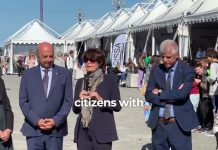
The reopening ceremony brought together regional and local authorities, restoration teams and residents to celebrate the completion of a project that transformed more than 8,000 square meters of the medieval fortress while preserving its historical character and strengthening it against future earthquakes.
Beginning Sunday, visitors are once again able to enter the castle, including the restored Ala Nievo, the wing most closely associated with writer Ippolito Nievo, whose stays at the estate inspired the fictional Castle of Fratta in Confessions of an Italian.
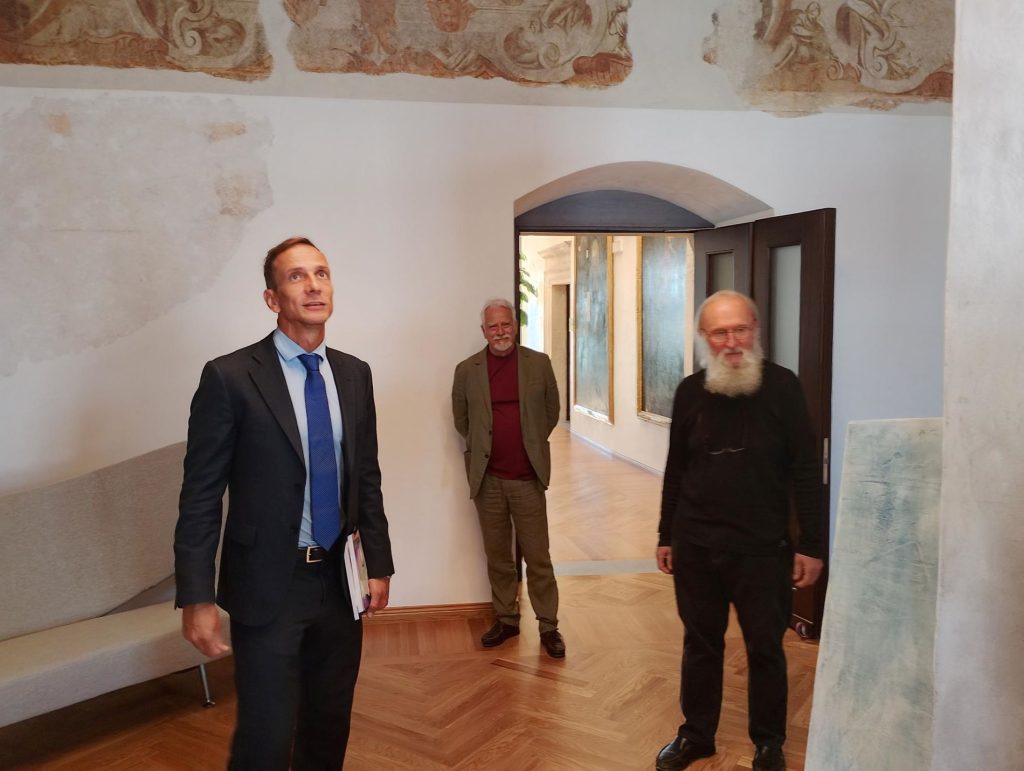
Regional officials described the reopening as more than the completion of a construction project, calling it the recovery of a place deeply tied to Friuli’s cultural identity and collective memory. The castle has long stood as a symbol of the region’s resilience following the devastating 1976 earthquake, when communities across Friuli led one of Italy’s most celebrated reconstruction efforts.
The restoration included the complete rebuilding of the Mastio, the fortress’s central keep destroyed during the earthquake, along with the rehabilitation of the surrounding buildings under strict heritage conservation guidelines and modern seismic standards.
Dating back to 1302, Colloredo Castle has occupied a prominent place in Friulian history for centuries. Rebuilt during the Renaissance after the 1511 earthquake, it later became a center of poetry under Ermes di Colloredo, a patron of the arts through Hieronymus von Colloredo, and an enduring literary landmark through Nievo’s work.
With its gates reopening, the castle is expected to serve as a cultural venue, museum space and tourism destination, offering a renewed home for the history and artistic heritage of Friuli Venezia Giulia.