










by InTrieste
Friuli Venezia Giulia will join the global celebration of the first International Day of Caves and Karst on Sept. 13 with a series of public events highlighting one of Europe’s most significant underground landscapes.
Established by UNESCO in 2025 following a proposal by the International Union of Speleology and backed by more than 150 international organizations, the annual observance aims to promote the protection, study and sustainable use of caves and karst environments, recognizing their environmental, scientific, cultural and economic importance.
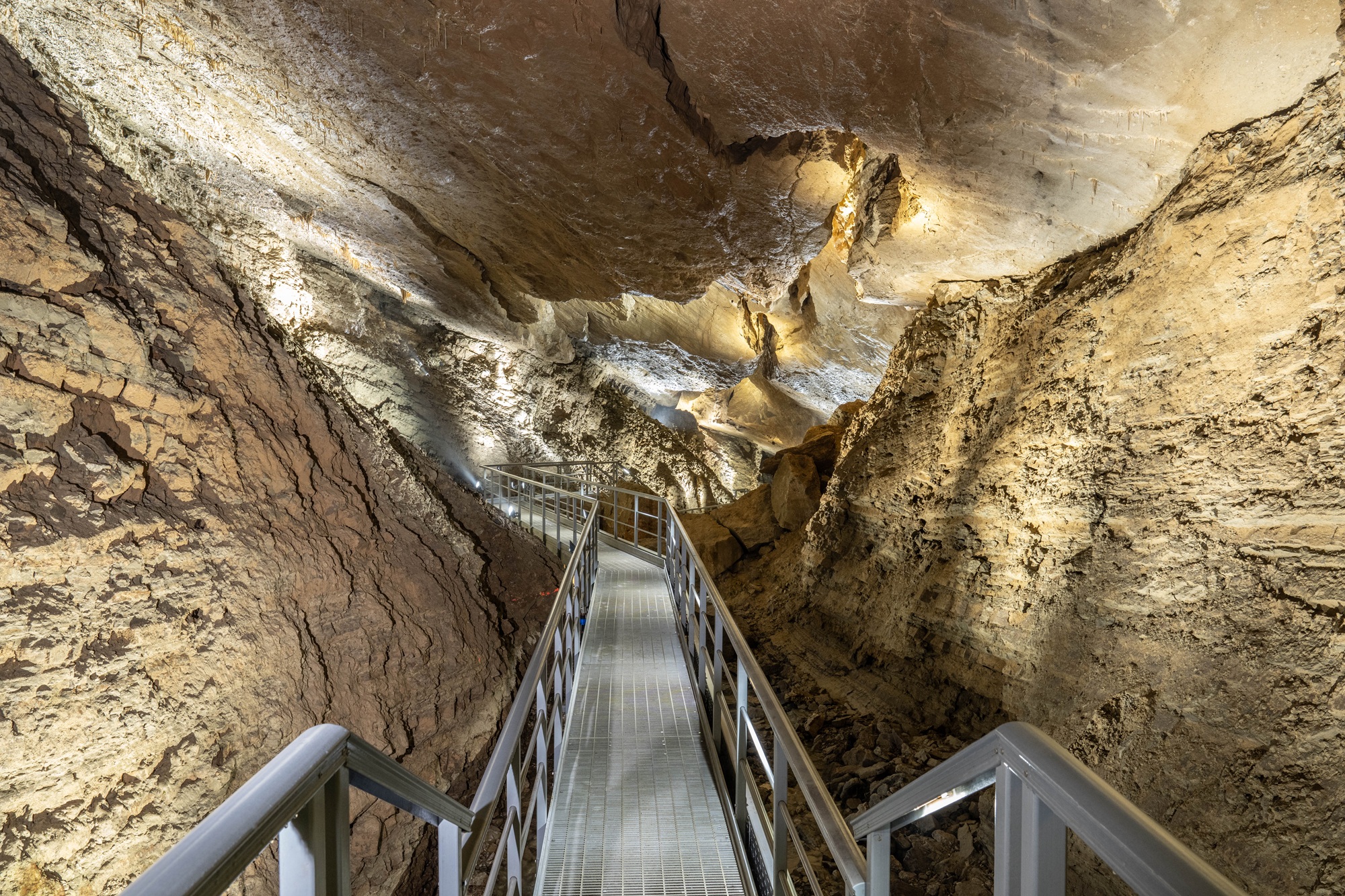
For Friuli Venezia Giulia, the occasion carries particular significance. The northeastern Italian region is home to nearly 9,000 documented caves, the country’s largest karst system in the Canin massif, and an extensive network of underground aquifers and springs that play a vital role in biodiversity and water resources.
Regional Environment Councillor Fabio Scoccimarro said the initiative offers an opportunity to increase public awareness of the area’s natural and scientific heritage while encouraging responsible access to fragile underground ecosystems. He noted that the region adopted legislation in 2016 that already reflected many of the conservation principles now promoted through the international observance.
Among the main initiatives is “Open Caves,” scheduled for Sept. 12 and 13, during which visitors will be able to explore five tourist caves listed in the Regional Speleological Register free of charge.
Additional events will run throughout September. From Sept. 11 to 27, the Società Filologica Friulana in Udine will host an exhibition dedicated to the region’s speleological heritage, featuring historical displays, scientific exhibits, photographs and a virtual reality experience. On Sept. 15, a workshop at Sala Luttazzi in Porto Vecchio, Trieste, will commemorate the centenary of Duemila Grotte, the landmark work by Luigi Vittorio Bertarelli and Eugenio Boegan that is widely regarded as the world’s first speleological catalog.
The celebrations will also include educational materials produced by the regional government and a broader calendar of activities organized with regional parks, nature reserves, local authorities and speleological associations. Information on the full program will be available through the Regional Speleological Register.
Regional officials said the initiatives reflect Friuli Venezia Giulia’s ongoing investment in scientific research, environmental education and the preservation of its extensive cave systems, which they describe as both a fragile ecosystem and a valuable natural resource.