
















by Maximiliano Crocamo
Interview: Fabio Scoccimarro, Councilor for Environmental Protection, Energy, and Sustainable Development; Anna Lutman, Director General Arpa FVG
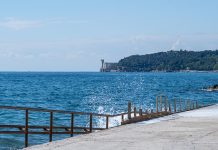
Friuli Venezia Giulia ranked second among Italian regions for the quality of its bathing waters in 2026, with 99.6 percent of monitored sites classified as “excellent,” according to data released Thursday by the regional environmental protection agency, Arpa FVG.
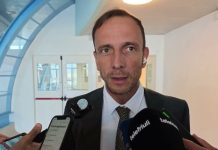
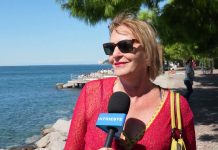
The figures were presented in Trieste during a review of the region’s water monitoring activities by Fabio Scoccimarro, the regional councillor for environmental protection, energy and sustainable development, and Anna Lutman, Arpa FVG’s director general.
Arpa monitored 66 bathing sites across the region, including 55 along the coast, two in the Grado lagoon, four lakes and five inland waterways. Samples were collected monthly from April through September and tested primarily for Escherichia coli and intestinal enterococci, indicators of fecal contamination.
Based on statistical data from the 2022-25 period, 65 of the 66 sites were classified as “excellent” and one as “good.” Arpa said the results from the 2026 season suggest that the region’s high classification is likely to remain largely unchanged when the next four-year assessment, covering 2023-26, is completed.
The monitoring program also included surveillance for potentially harmful algae and cyanobacteria. No toxic cyanobacteria were detected during 2026.
The microalga Ostreopsis cfr. ovata, however, was detected at all four monitored coastal stations beginning with samples collected on Aug. 24. At Canovella de Zoppoli, in the municipality of Duino-Aurisina, concentrations exceeded the agency’s alert threshold. Arpa increased sampling there to twice a week and reported that levels had fallen below the threshold by Sept. 3.
The agency also examined several episodes of algal growth and odors reported in inland waters during the summer, as high temperatures and reduced water levels affected rivers and lakes.
In the Degano River in June and the Gorgazzo stream in July, laboratory tests found no unusual concentrations of nitrogen or phosphorus and no evidence that domestic or agricultural discharges had caused eutrophication. Arpa said the observed algae were consistent with natural ecological responses to weather and climate conditions.
Lower river flows and warmer water can accelerate plant growth, reduce water mixing and concentrate nutrients in smaller volumes of water, creating conditions favorable to algal blooms.
At Lake Barcis, strong odors reported in August were linked to the decomposition of Chara algae that had grown extensively along the lakebed. The algae became exposed after the water level was substantially lowered during work near Ponte Antoi, while unusually warm weather accelerated decomposition and intensified the resulting odors.
Arpa said continued monitoring will be important for assessing how rising temperatures, changes in water availability and other climate-related factors are affecting the region’s aquatic ecosystems.