










by Maximiliano Crocamo
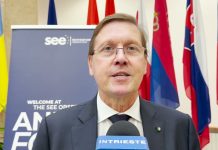
Interviews:Fabio Scoccimarro, FVG Councilor for Environmental Protection, Energy, and Sustainable Development; Massimo Zanetti, Director of the Geological Service of Friuli Venezia Giulia
More than 2,600 people have registered for free visits to five of the region’s most celebrated caves as Friuli Venezia Giulia launches a two-day celebration of its unique karst heritage.
Friuli Venezia Giulia will celebrate the inaugural UNESCO International Day of Caves and Karst on Sept. 13 with a region-wide initiative offering free access to five of its most iconic show caves, underscoring the territory’s extraordinary geological heritage and growing appeal as a destination for nature-based tourism.
The two-day program, Grotte Aperte FVG, will take place on Sept. 12 and 13 and has already attracted more than 2,600 reservations, regional officials announced during a press conference on Tuesday. The initiative is supported by a €60,000 regional investment and marks the first global observance of the UNESCO day, established in 2025 and set to recur annually on Sept. 13.
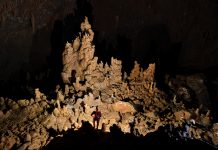
Visitors will be able to explore the Grotta Gigante, Grotta delle Torri di Slivia, Grotta-Chiesa di San Giovanni d’Antro, Grotta Nuova di Villanova, and the Grotte di Pradis. Reservations, available exclusively through the regional tourism website, were evenly distributed across both days, with only limited places remaining at the Pradis caves at the time of the announcement.
Fabio Scoccimarro, the regional councilor for environmental protection, said the celebration is particularly meaningful in Friuli Venezia Giulia, where karst landscapes cover nearly 69 percent of the region’s mountain and hilly terrain and play a vital role in its underground water systems.
He described caves, karst formations and aquifers as a single interconnected ecosystem that has long been recognized by the region as worthy of protection. Friuli Venezia Giulia adopted dedicated legislation for their conservation in 2016, nearly a decade before UNESCO introduced the international observance.
The region is home to one of Europe’s richest speleological heritages. According to the regional geological service, the official registry includes 8,795 cataloged caves and 9,644 known cave entrances, with dozens of new discoveries continuing to expand the inventory each year.
Regional Tourism Councilor Sergio Emidio Bini said the initiative also reflects the growing popularity of slow tourism, as travelers increasingly seek lesser-known destinations centered on nature, culture and outdoor experiences. He said the open-cave weekend is part of PromoTurismoFVG’s broader strategy to encourage visitors to explore areas beyond the region’s traditional tourist routes.
Public investment in speleology has also expanded. In 2025, the region allocated €170,000 to 21 caving associations, approved a new €105,000 agreement with the Regional Speleological Federation for 2026–2029, and funded more than €460,000 in geodiversity projects, including approximately €150,000 dedicated specifically to caves and karst sites.
The celebrations extend beyond the anniversary weekend. Among the highlights is the rare public opening of the 365-meter-deep Grotta Valentina near Duino on Sept. 12 and 13, with helmets provided to participants. A speleology exhibition in Udine will remain open through Sept. 27, while Trieste will host a workshop on Sept. 15 commemorating the 100th anniversary of Luigi Vittorio Bertarelli and Eugenio Boegan’s landmark publication cataloging the region’s caves.
For more info and booking, visit PromoTurismo website.