











by InTrieste
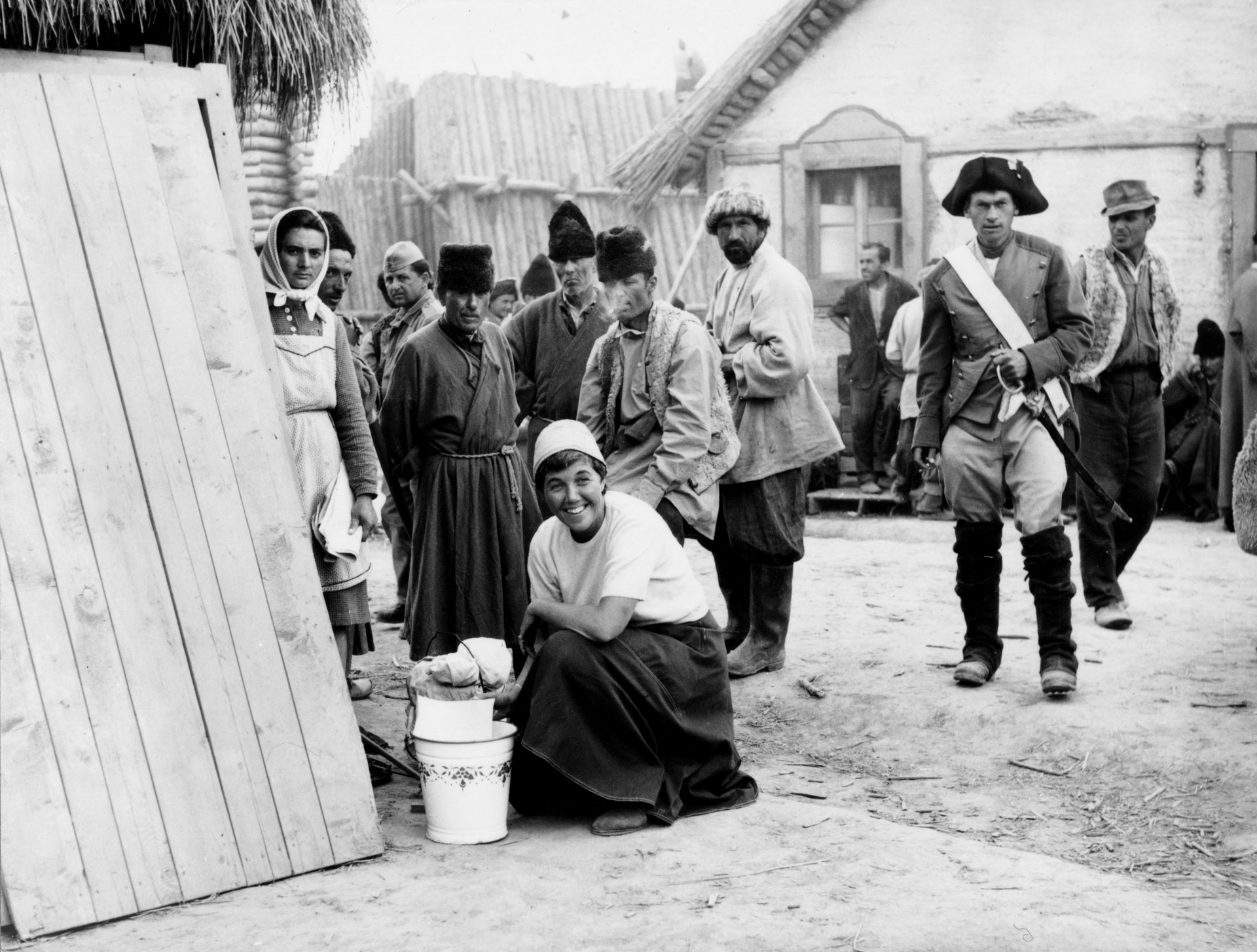
An exhibition celebrating the life and work of the Trieste-born director and acting teacher Anna Gruber will open on Friday, Aug. 28, at 6:30 p.m. in Sala U. Veruda at Palazzo Costanzi, highlighting her pioneering contribution to Italian theater, cinema and actor training.
Titled Anna Gruber e l’Actors Studio di Trieste, the exhibition will run from Aug. 29 through Sept. 23 with free admission. Organized by Casa del Cinema di Trieste in collaboration with the Municipality of Trieste, the project explores Gruber’s career through archival photographs, documents and film footage preserved in the city’s historical collections.
At the center of the exhibition is Gruber’s Scuola dell’Attore, founded in Trieste in 1963 and inspired by the methods of New York’s Actors Studio. Located on Via Crispi, the school operated until the early 1970s, offering workshops, lectures and seminars designed to prepare actors for work across theater, film and television.
The exhibition draws extensively from the “Famiglie Benco e Gruber” archive housed at the Biblioteca Civica A. Hortis, alongside photographs from the Civic Museums’ photographic collection. It was conceived by Franco Però, curated by theater historian Paolo Quazzolo, coordinated by Daniele Terzoli, and designed by Studio Basiq.
Born in Trieste in 1929, Gruber graduated in directing from Rome’s Centro Sperimentale di Cinematografia in 1952, where her short film Calze di seta won a national prize. She went on to work on nearly 40 Italian and international film productions alongside directors including Mario Soldati, Pietro Germi, Vittorio De Sica, René Clément, Alberto Lattuada and Richard Fleischer.
Her teaching philosophy combined the psychological realism of Konstantin Stanislavski with the memory-based techniques developed by Lee Strasberg at the Actors Studio. The result was an original approach aimed not only at training performers but also at cultivating audiences’ understanding of dramatic art.
Throughout the 1960s, Gruber directed experimental productions ranging from works by Noël Coward, Edward Albee and Jean Anouilh to contemporary Italian playwrights, many of them co-produced with the Teatro Stabile del Friuli Venezia Giulia. Her influence extended beyond the stage through collaborations with RAI on cultural television and radio programs, documentaries on literary figures including Italo Svevo, and educational initiatives in both Italy and the United States.
In the 1970s, film producer Franco Cristaldi invited Gruber to Rome to discover new acting talent for Vides Cinematografica. Among her most notable discoveries was Lorenzo Monet, the young actor cast as the 12-year-old Jesus in Franco Zeffirelli’s Jesus of Nazareth.
Later in life, Gruber returned to her family residence in Duino, where she devoted herself to photography, founded two cultural associations and completed research that became the posthumously published biography of her grandfather, the writer and journalist Silvio Benco.
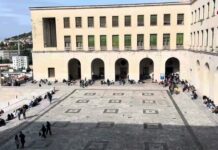
The exhibition will be open daily from 10 a.m. to 1 p.m. and from 5 p.m. to 8 p.m. at Sala U. Veruda, Palazzo Costanzi, in Piazza Piccola 2, Trieste. Admission is free.