





















by InTrieste
Friuli Venezia Giulia’s network of Higher Technological Institutes (ITS) ranks among the strongest in Italy, according to the latest national monitoring by Indire, with high graduation and employment rates and plans for further expansion.
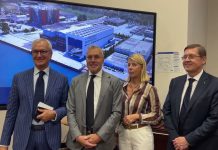
Regional education and labor councillor Alessia Rosolen presented the findings on Monday at the Adriatic Nautical Academy in Trieste. The region placed sixth nationally overall, but ranked second when adjusted for population size based on the ratio of enrolled students to residents, trailing only Umbria. The quality of its programs also scored above the national average, earning 8.1 points compared with Italy’s overall score of 7.6.
The report found that 83.7 percent of ITS students in Friuli Venezia Giulia complete their programs, compared with the national average of 75.7 percent. Employment outcomes were also strong, with 92.4 percent of graduates finding work. The number of employed ITS graduates in the region increased from 58 in 2013 to 314 in 2024.
Regional officials attributed the results to close cooperation between technical institutes, universities, research clusters and businesses. Around 130 companies currently participate in the regional ITS system.
The regional government said it will invest €15 million over the next two years through the European Social Fund to expand the network. New teaching sites are expected to open in Gorizia and Monfalcone, subject to enrollment levels, while the existing campus in Amaro will also be strengthened.
Officials also announced that ITS students will receive the same study benefits available to university students, including scholarships and vouchers. The region is also continuing international recruitment efforts, particularly in Egypt and Somalia.
For the 2026–27 academic year, the region’s four ITS academies will offer programs ranging from information technology, agrifood systems and energy to sustainable mobility, logistics, mechatronics, tourism, chemistry and life sciences. Together, the institutions operate 58 specialized laboratories across Friuli Venezia Giulia.