















by InTrieste
Regional and local officials met Tuesday to examine the environmental and public health implications of the proposed Molo VIII expansion at the Port of Trieste, as concerns persist over increased freight traffic and its impact on nearby communities.
As plans for the expansion of Trieste’s Port continue to advance, regional and local officials met Monday to discuss the environmental and public health implications of the proposed development of Molo VIII, a major logistics project that has become a focal point of debate in the area.
The meeting, convened at the Prefecture of Trieste, was requested in part by the municipality of San Dorligo della Valle, which has raised concerns about the potential increase in noise generated by heavy truck traffic associated with the project.
Speaking at the meeting, Fabio Scoccimarro, the regional councillor for Environment, Energy and Sustainable Development, said the redevelopment of the Molo VIII area was made possible by the region’s long-term decision to move away from the historic steel industry in Servola, once a major industrial center on the outskirts of Trieste.
“If we are discussing the Molo VIII project today, it is because we firmly believed in overcoming the old steel industry of Servola and pursuing a genuine industrial and port redevelopment of the area,” Scoccimarro said. He noted that the transition involved extensive environmental remediation efforts and contributed to the reduction of industrial emissions and pollution in the Gulf of Trieste.
The proposed expansion is currently undergoing Italy’s national Environmental Impact Assessment process, known as VIA, which includes a public consultation phase and review of observations submitted by local communities.
While acknowledging concerns about the environmental effects of port operations, Scoccimarro said mitigation measures would be essential. Among them are the electrification of port docks, allowing ships to connect to shore power while berthed, and further investments in rail transport to reduce dependence on road freight.
Regional authorities have framed the project as part of a broader strategy balancing economic development with environmental protection. The Port of Trieste is one of the most important logistics hubs in the northern Adriatic and supports thousands of jobs directly and indirectly.
According to figures cited during the meeting by Marco Consalvo, president of the Port Authority, 53 percent of all freight and passenger rail traffic moving through the Friuli Venezia Giulia region is connected to the Port of Trieste.
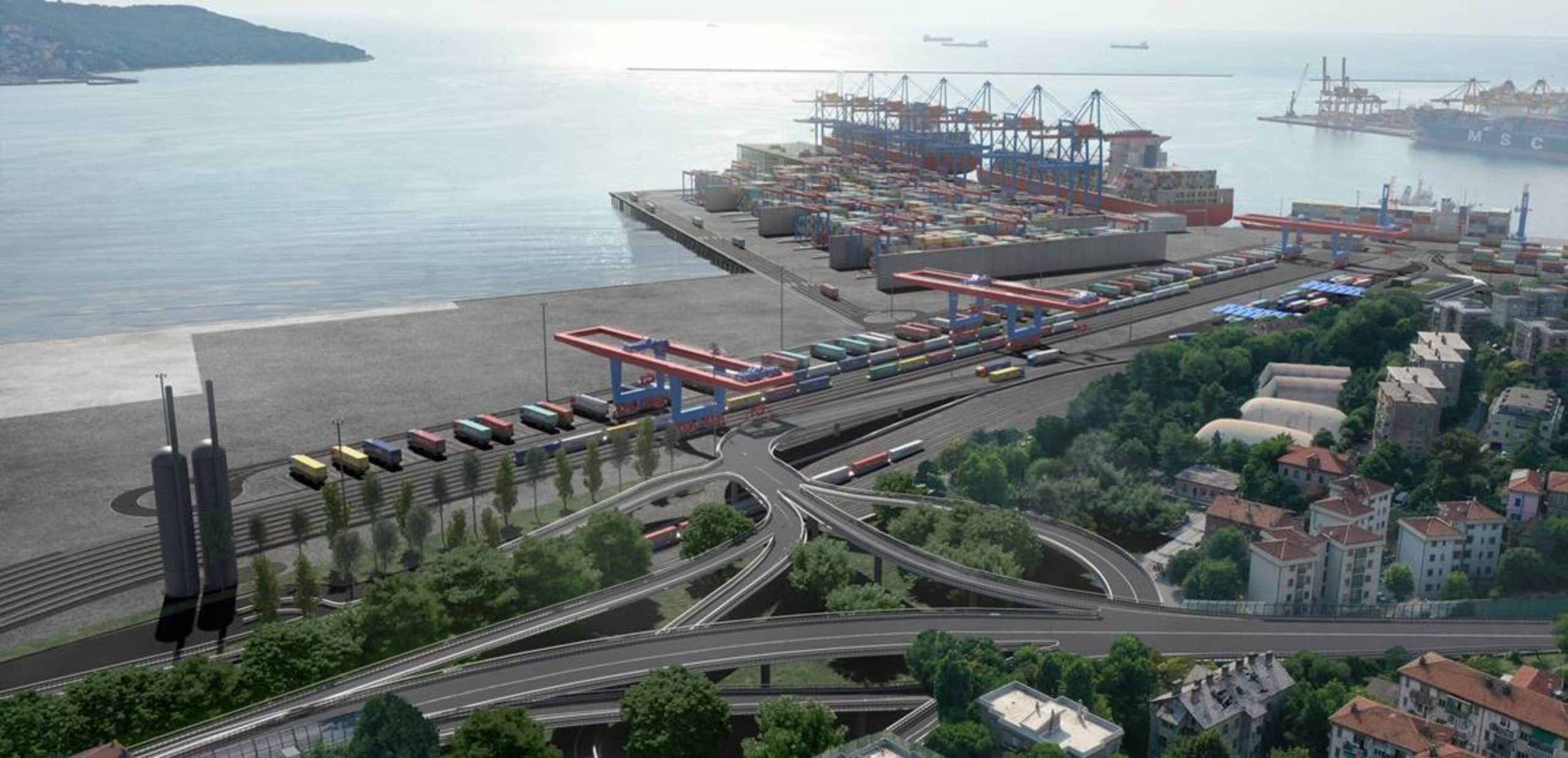
Officials also discussed infrastructure projects intended to reduce the impact of freight traffic on nearby communities. Scoccimarro announced that a tender process for the Servola freight terminal is expected to begin shortly. The plan includes the construction of new road ramps over the next five years, providing direct access between the port and the region’s major highway network and allowing trucks to bypass residential areas.
The meeting comes as national and regional authorities continue to promote Trieste’s role as a strategic European logistics hub. Recent funding approvals for both the Servola rail station and the Molo VIII project have reinforced institutional support for the port’s expansion, even as discussions continue over its environmental and social impacts on surrounding communities.