








by InTrieste
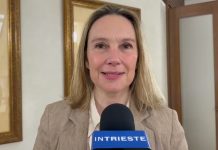
Gender equality in the workplace must extend across every stage of life and professional development, according to Alessia Rosolen, the regional councilor responsible for labor, education, and family policies in the Friuli Venezia Giulia region.
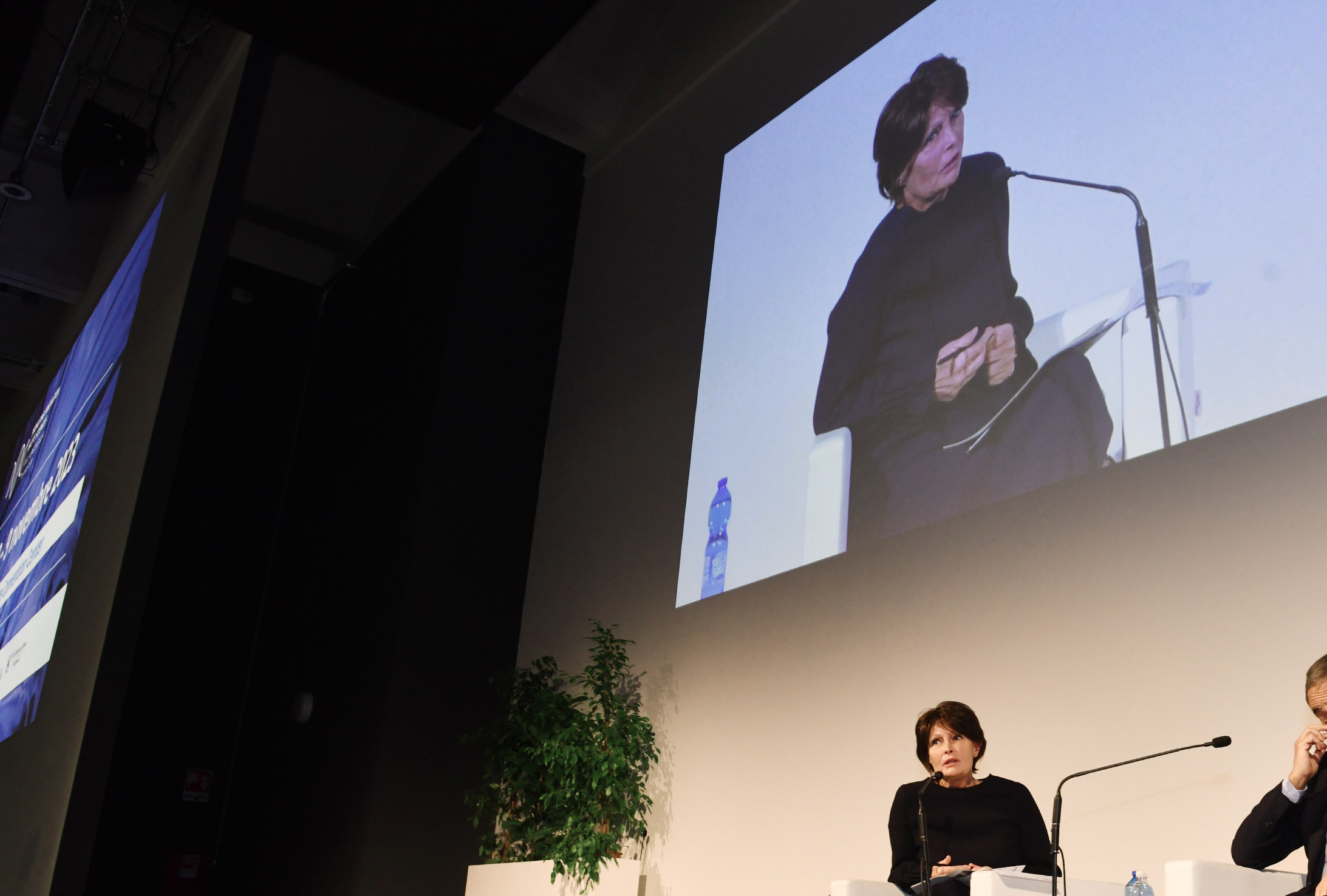
Speaking on Monday at an event in Udine marking the 10th anniversary of the Women’s Commission of Confcooperative FVG, Rosolen said that the goal of public policy should not be to create protected categories but to ensure equal opportunities for everyone.
“The labor market needs equality throughout the entire life and work cycle,” Rosolen said during the conference, titled “Generations in Dialogue.” “This is not about creating groups that require protection, but about guaranteeing the same opportunities for access, growth, and professional fulfillment for everyone.”
The event brought together representatives from the cooperative sector to discuss the role of women in employment and in cooperative enterprises.
Rosolen noted that the issues of female and youth employment have become increasingly central in recent years. Until relatively recently, she said, public policy did not treat gender and generational differences as fundamental dimensions of labor policy.
“Not long ago, demographic trends did not require the level of investment that is necessary today to support employment for young people and women,” she said.
According to Rosolen, disparities between men and women often emerge not during education but when entering the labor market. It is at that stage, she said, that unemployment gaps, pay disparities, and in some cases exploitation become visible.
“For this reason, public policy must intervene decisively to support employment,” she said.
Rosolen also argued that public debate sometimes focuses on symbolic issues rather than practical ones. As an example, she cited the financial impact of maternity leave.
“I do not believe that linguistic forms have the same impact as substantive change,” she said. “We rarely hear enough discussion about concrete issues such as reductions in salary during maternity leave. Those are the critical points where action is really needed.”
She added that policies related to gender equality should avoid an approach based on protection or assistance alone.
“I strongly believe that we must reject the idea that women should be placed among protected categories,” Rosolen said. “The real objective is to build a labor system that guarantees equality and opportunity throughout the entire professional path.”
Rosolen also highlighted regional initiatives aimed at addressing gender disparities. According to the councillor, Friuli Venezia Giulia currently has one of the lowest gender employment gaps in Italy, a result she attributed in part to active labor policies and a regional allocation of €10 million dedicated to supporting women’s employment.
In her closing remarks, Rosolen linked women’s employment to broader demographic challenges and efforts to retain younger generations in the region.
“I fully share the vision of those who work to keep young people in our territory,” she said. “Employment, services, and opportunities for women are an integral part of that strategy.”
She added that International Women’s Day should serve as more than a symbolic occasion.
“March 8 should not be only a symbolic date,” Rosolen said. “It should be an opportunity to reaffirm that fewer slogans and more concrete solutions are needed.”