

























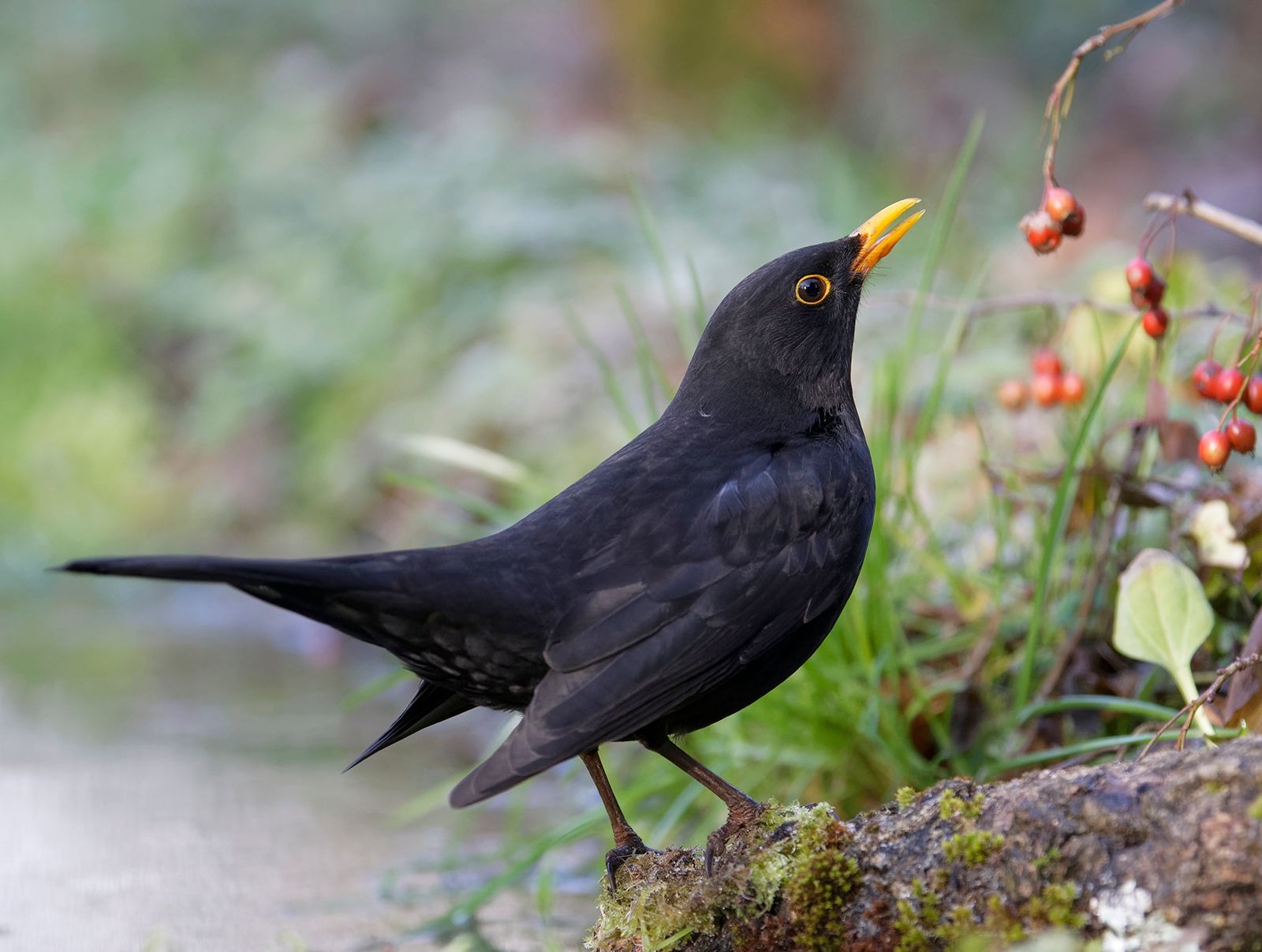
by InTrieste
In Italy, one of the country’s most enduring winter folktales revolves around a bird and the last three days of January, a tradition known as i giorni della merla, or the Days of the Blackbird. The folklore is closely tied to seasonal hopes: according to tradition, if January 29, 30, and 31 are particularly cold, the coming spring will be warm, sunny, and early. Conversely, milder weather during these days is said to predict a late and rainy spring.
While legend holds that these final days of January are typically the coldest of the year, meteorological data does not support this claim.
The story behind the tradition has several variations, all featuring the blackbird, or la merla, and the end of January. In the most widely told version, a long time ago, a white blackbird was harassed by a spiteful January, which then had only 28 days while February had 31. Each time the bird left her nest to forage, January unleashed snow, freezing winds, and icy temperatures.
The following year, the blackbird prepared by stocking up on food and remaining in her nest for the entire month. When she emerged, she sang triumphantly, mocking the month of January. In retaliation, January borrowed three days from February and unleashed a snowstorm. The blackbird took refuge in a chimney for three days, and when she finally emerged on February 1, her once-white feathers had turned black with soot.
Today, the story endures as a charming element of Italian cultural tradition, celebrated with folklore and seasonal reflection rather than scientific observation.