






by Maximiliano Crocamo
Regional officials warn of flu complications among vulnerable groups and call for greater vaccine uptake
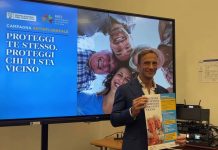
Friuli Venezia Giulia has launched its autumn vaccination campaign against influenza and COVID-19, urging residents to protect themselves and those around them as respiratory illnesses become a growing concern during the colder months.
Cristina Zappetti, who oversees infectious disease prevention and vaccine surveillance at the Region’s Central Health Directorate, said influenza remains a significant public health challenge, particularly for older people and those with underlying health conditions. Each season, the virus can lead to serious complications, increased hospital admissions and higher mortality, she said.
Although influenza vaccination coverage in Friuli Venezia Giulia is slightly above the national average, including among older residents, Zappetti said uptake remains below levels needed to achieve optimal public health protection.
The flu vaccine is recommended for everyone aged six months and older who has no contraindications. It is available free of charge to people aged 60 and over, pregnant and postpartum women, people with conditions that increase the risk of complications, children between six months and six years old, residents of long-term care facilities and blood donors.
Healthcare workers, police officers, firefighters and people whose work brings them into contact with animals are also included among the groups eligible for free vaccination. The Region has identified healthcare workers and older adults as particular priorities.
COVID-19 vaccination is also recommended for people aged 60 and over, those considered medically vulnerable, healthcare workers, pregnant women and residents of long-term care facilities. According to the Region, the updated vaccine targets the XFG variant. The COVID-19 and influenza vaccines can be administered during the same appointment.
People who do not fall within the priority groups can receive a flu vaccination at their own expense, with the standard vaccine costing between €15 and €20.
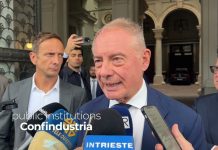
Riccardo Riccardi, the regional health councillor, said Friuli Venezia Giulia was approaching a target of allocating 5 percent of its health spending to prevention. He defended vaccination as a public health measure grounded in scientific evidence.
“Relying on science and research to protect people shows results,” Riccardi said, adding that he respected differing personal views but did not share them.
Regional President Massimiliano Fedriga also sought to frame vaccination as a matter of collective responsibility rather than political affiliation. He warned that misinformation could undermine public health efforts and place additional pressure on hospitals.
“A saturated health system responds worse to all the other health needs,” Fedriga said, arguing that vaccination should be understood as both an individual decision and a choice with consequences for the wider community.
He also criticized what he described as connections between anti-vaccination positions and other political narratives circulating on social media, alleging that misinformation was widespread among some online communities.
The Region’s message, officials said, is that vaccination remains an important tool for reducing the risk of serious illness and protecting vulnerable people during the autumn and winter respiratory disease season.