



















by InTrieste
The Friuli Venezia Giulia regional government is expanding a pilot initiative aimed at addressing Italy’s nursing shortage by bringing qualified graduates from Argentina to complete their professional recognition at the University of Udine.
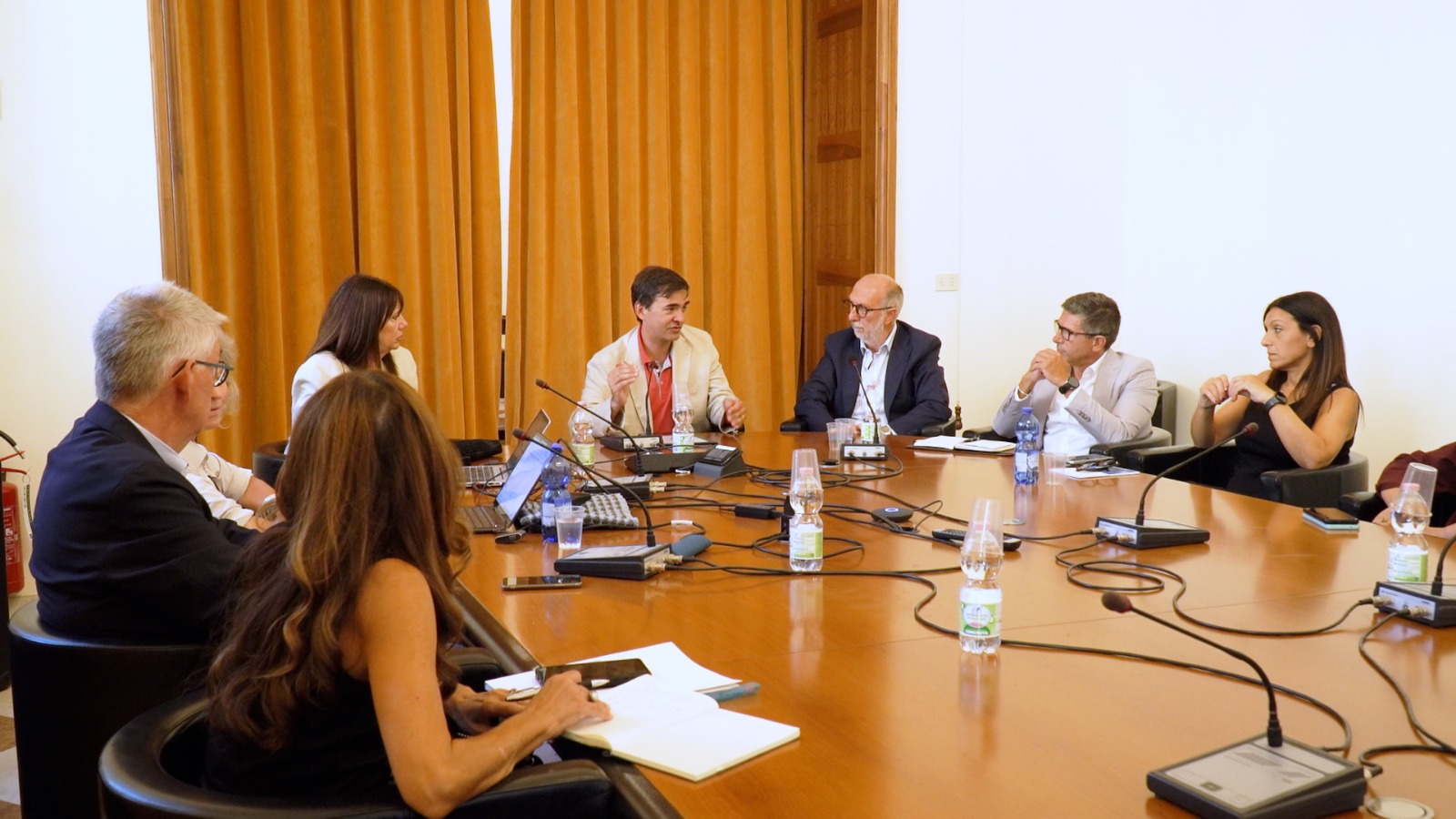
The program, presented Tuesday at Palazzo Antonini-Maseri in Udine, will initially welcome 15 Argentine nursing graduates from the Italian University Institute of Rosario (IUNIR). Participants will enroll in the university’s nursing degree program to obtain the Italian equivalency required to practice in the country.
Regional Health Councillor Riccardo Riccardi said the initiative is part of a broader strategy to respond to the chronic shortage of nurses affecting both the region and Italy as a whole. He added that the partnership, developed with the University of Udine and supported by the Italian Embassy in Buenos Aires, could eventually be extended to the University of Trieste.
Under the agreement, the regional government will cover accommodation, meals, health insurance and intensive Italian-language courses. In return, students must complete at least 60 percent of their annual academic credits, apply for positions within the regional health service within three years of graduation, and work in the system for at least five years if hired.
The meeting brought together regional officials and university leaders, including Vice Rector Karina Elmir of IUNIR, Pro Rector Giorgio Alberti, Director General Gabriele Rizzetto, and professors Alvisa Palese and Silvio Brusaferro. Italian Embassy scientific attaché Salvatore Barba joined remotely from Buenos Aires.
Elmir said interest in the program has exceeded expectations, with numerous applications submitted within 48 hours of the call for candidates opening. She described the initiative as strengthening the longstanding educational and cultural ties between Argentina and Italy.
University officials also reported growing interest in nursing locally. According to Professor Palese, first-choice applications to the University of Udine’s standard nursing program rose from 212 last year to 290 this year, suggesting renewed demand for the profession.
Barba said the pilot project could also support negotiations toward a bilateral agreement between Italy and Argentina on the mutual recognition of university degrees, potentially reducing administrative barriers for Argentine professionals seeking to work in Italy.
Riccardi emphasized that the region intends to combine workforce recruitment with long-term integration measures, noting that housing, family reunification and everyday support will be essential to ensuring the program’s success.