














by InTrieste
One of the oldest scientific institutions in northeastern Italy is preparing to celebrate a milestone anniversary with a day dedicated to science, discovery and public engagement.
On June 13, Trieste’s Civic Natural History Museum will mark 180 years since its origins in 1846, when a group of local naturalists and enthusiasts known as the “Investigators of Natural History” established the Zoological and Zootomic Cabinet, the institution that would eventually evolve into the museum known today.
To commemorate the anniversary, the museum will host a free open day from 10 a.m. to 11 p.m. at its headquarters on Via Tominz. The program includes lectures, workshops, guided tours and hands-on activities designed for visitors of all ages.
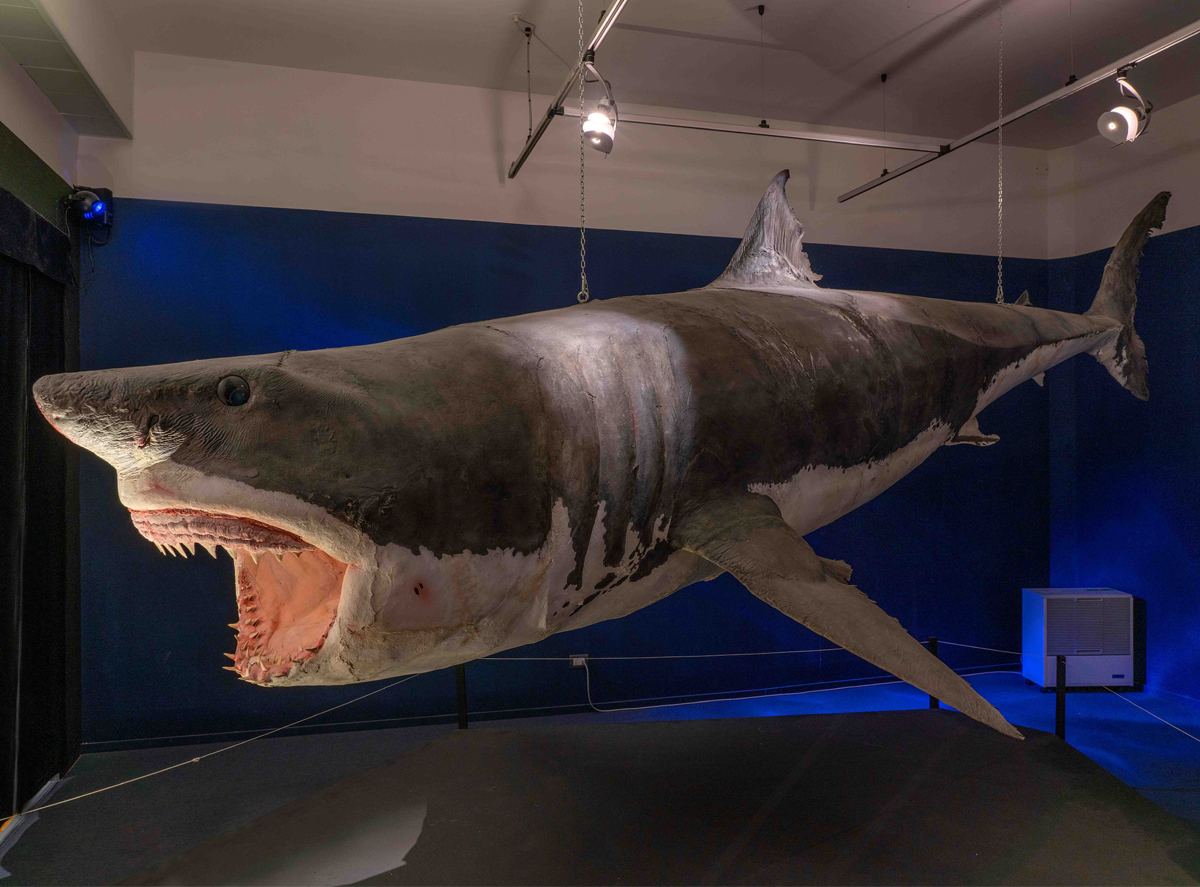
The anniversary offers an opportunity for the museum to highlight its role as a center for scientific research and public education while showcasing collections that span paleontology, zoology, botany and natural history. The institution also preserves an extensive library containing rare and historic scientific publications.
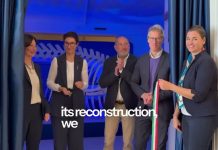
The program was presented this week by Patrizia Fasolato, head of Trieste’s Scientific Museums, alongside Nicola Bressi, zoological curator of the museum, and Deborah Arbulla, curator and conservation officer.
Fasolato described the initiative as the result of collaboration among numerous scientific institutions and researchers. She noted that the museum remains one of the most significant scientific institutions in the region, continuing its mission through research, conservation and public outreach.
“The 180th anniversary is an important milestone,” Fasolato said. “The museum continues to play a central role in the scientific and cultural life of the city through the enhancement of its collections and ongoing research activities.”
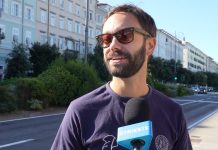
Bressi said the event was intended as a celebration for both residents and visitors. While most activities will be freely accessible until capacity is reached, some workshops and guided experiences will require advance reservations.
Today, the museum is regarded as the oldest scientific institution still operating in the Friuli Venezia Giulia region and is often cited as a precursor to Trieste’s modern identity as a center of scientific research.
Throughout the day, guest speakers from Italy and abroad will present topics ranging from medicine, climate science and microbiology to archaeology, paleontology and wildlife conservation. Visitors will also have the opportunity to explore areas of the museum typically closed to the public, including laboratories, storage facilities and research collections.
Participating organizations include the International Centre for Genetic Engineering and Biotechnology (ICGEB), the National Research Council’s Institute for BioEconomy and the LaMMA Consortium, the University of Turin’s Lynx Project, the Carabinieri CITES Unit of Trieste, the Miramare Marine Protected Area, the Friuli Venezia Giulia Archaeological Superintendency and the University of Trieste.
Among the featured speakers are meteorologist and climatologist Giulio Betti; microbiologist Antonella Fioravanti; archaeologist Roberto Micheli; wildlife researcher Paolo Molinari; paleontologist Alessandro Palci; vascular surgeon and science communicator Alice Rotelli; and Serena Zacchigna, head of the Cardiovascular Biology Group at ICGEB.
All activities and museum admission will be free of charge, subject to availability.
The museum is accessible by public transportation via bus routes 18, 11 and 22, with a stop at Scala Bonghi. Parking access in the forecourt will be available for visitors with disabilities or reduced mobility, and the facility is fully accessible.
The anniversary celebration is organized by the City of Trieste’s Department of Culture and Tourism with support from the Autonomous Region of Friuli Venezia Giulia.