
















by InTrieste
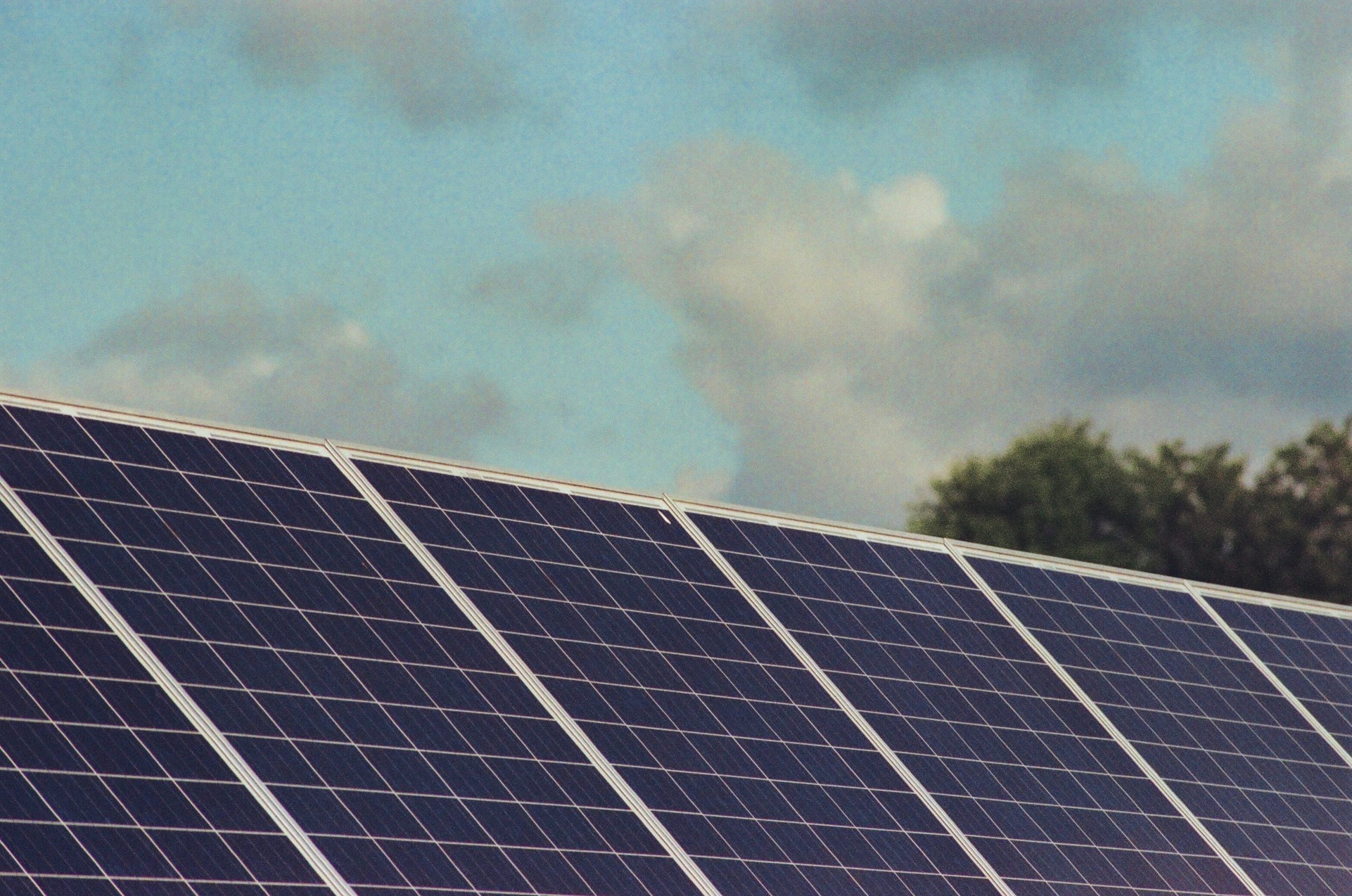
Residents of the Friuli Venezia Giulia region who plan to install photovoltaic or solar thermal systems will continue to have access to regional incentives through Sept. 15, according to regional officials.
Cristina Amirante, the regional councillor for infrastructure, told the Regional Council on Tuesday that sufficient funding remains available to cover all applications submitted before the deadline. Her remarks came in response to a question regarding the future of regional subsidies for renewable energy installations in private homes.
The incentive program, launched as part of the region’s broader effort to support the energy transition, has generated significant interest across much of Friuli Venezia Giulia. According to Amirante, uptake has been particularly strong in many areas of the region, although participation has been more limited in mountain communities and in larger urban centers, where apartment buildings account for a significant share of the housing stock.
That disparity has prompted regional authorities to reconsider how future funding will be allocated. While existing legislation will continue to support condominium buildings seeking to install photovoltaic and solar thermal systems, a separate initiative introduced this year is expected to focus on comprehensive energy-efficiency upgrades for multi-unit residential buildings.
The planned program would support measures such as thermal insulation, roof improvements, window replacement and other building-envelope upgrades aimed at reducing energy consumption and helping meet European Union energy-efficiency targets.
Over the past four years, the regional government has allocated more than €342 million to support photovoltaic systems, battery storage installations and solar thermal technologies. Officials said the program has resulted in the installation of photovoltaic systems with a combined capacity exceeding 247 megawatts, battery storage systems totaling more than 435 megawatt-hours and over 1,000 solar thermal installations.
More than 49,000 applications have been submitted since the program began, and over 46,000 households have completed projects designed to generate renewable energy.
The three current funding programs for photovoltaic systems, battery storage and solar thermal installations — available to private individuals and religious institutions — are scheduled to close on Sept. 15, 2026. Regional officials say the closure will allow resources to be redirected toward broader urban regeneration and energy-efficiency initiatives.
To ensure that all eligible applications submitted before the deadline can be funded, the regional government has proposed an additional €40 million allocation as part of its budget adjustment legislation.
Additional resources are also expected to support portions of waiting lists associated with other housing and energy-efficiency programs, including initiatives aimed at households with annual income indicators (ISEE) below €25,000.
A separate grant program that reimburses energy-efficiency improvements after completion of the work will remain open and is expected to receive additional funding in the coming years.
Amirante said the decision to close the three renewable-energy calls for applications was influenced in part by a decline in demand. Applications submitted in 2025 fell by roughly 6,000 compared with 2023, the first year of the program.
At the same time, the region intends to broaden its investment strategy by supporting a wider range of energy and urban renewal projects.
One area expected to remain a priority is the condominium sector. Officials confirmed that funding dedicated to apartment buildings will remain available through 2027 and 2028, reflecting the strategic importance of collective energy self-consumption and urban energy regeneration.
Because condominium projects often involve more complex technical requirements and collective decision-making processes, they typically require longer development timelines. The ongoing support program will operate alongside a new energy-efficiency initiative for condominium buildings that is currently being developed by the regional government.