


















by Maximiliano Crocamo
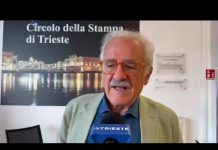
Interviews: Cristina Amirante , Councilor for Infrastructure and Territory; Marco Consalvo, president of the port of Trieste and Monfalcone; Donata Vianelli, Rector of the University of Trieste
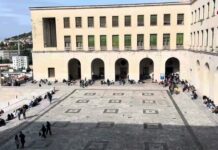
Academics, port officials and regional policymakers convened at the University of Trieste on Tuesday for a round table examining the strategic implications of the India-Middle East-Europe Economic Corridor, or IMEC, for Trieste and its port infrastructure.
The IMEC corridor, a proposed multimodal trade route linking India with North Africa and Europe, is being positioned as an alternative to established supply chains. As geopolitical tensions reshape global commerce and expose vulnerabilities in existing routes, institutional interest in the initiative has grown.
Marco Consalvo, president of the Eastern Adriatic Sea Port System Authority, identified infrastructure development and competitiveness as the port’s foremost priorities. Speaking at the event, Mr. Consalvo pointed to mounting competition from nearby ports in Rijeka and Koper, as well as from Marseille and Turkish hubs. He emphasized that expanding railway infrastructure over the next three years would be critical, with digitalization emerging as another prerequisite for long-term competitiveness.
Mr. Consalvo framed the central question less as how Trieste might shape the IMEC network, and more as how the broader Adriatic region could first attract cargo flows — a necessary step, he suggested, before decisions about routing and development can take hold.
Cristina Amirante, a regional councillor for Friuli Venezia Giulia, underscored the area’s logistical advantages, pointing to an integrated system of ports supported by road and rail infrastructure as a foundation for deeper regional cooperation.