

















by Alessandra Ressa
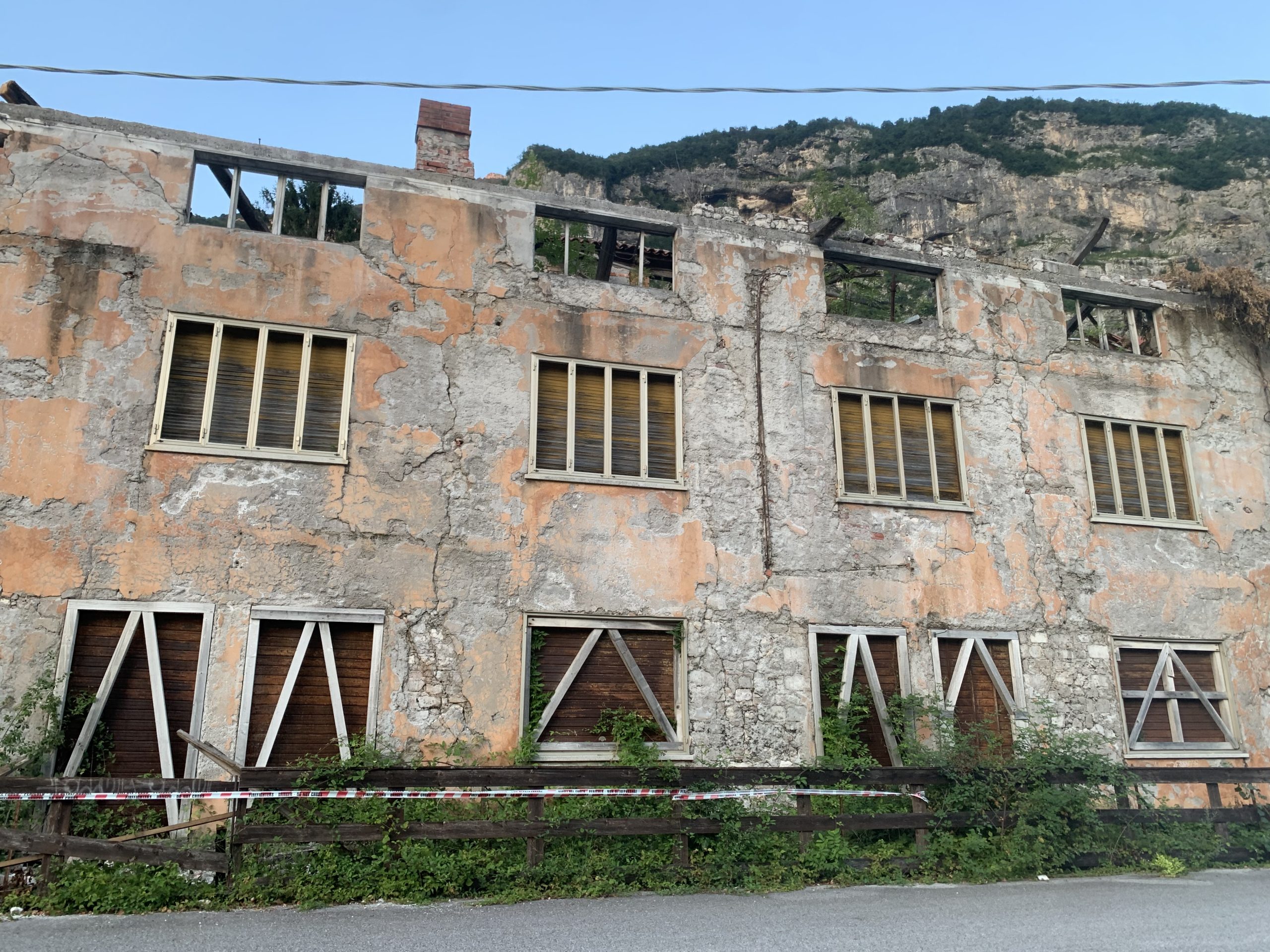
In the rugged landscape between the Tagliamento river and the mountains, along Higway 13 Pontebbana, Portis Vecchio (Old Portis) stands as a silent witness to the devastating 1976 earthquake that struck the Friuli Venezia Giulia region. Unlike other towns and villages that were either rebuilt or destroyed, Portis Vecchio was left untouched, making it the only village in Friuli that was completely abandoned yet preserved in its original post-earthquake state. Today, it serves a unique and invaluable role as a living laboratory for seismic studies.
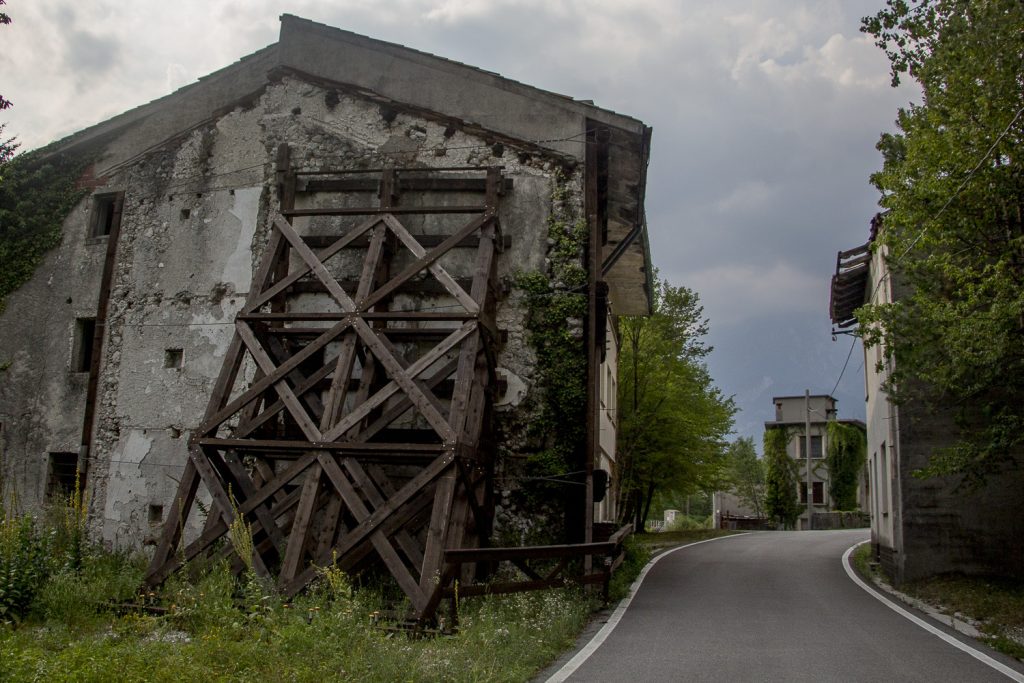
Before the earthquake, Portis Vecchio was a small, rural community in the municipality of Venzone, known for its traditional stone houses and alpine charm. It has medieval origins, with records indicating settlement activity dating back several centuries. It was historically involved in agriculture and livestock. However, the earthquake on May 6, 1976, which reached a magnitude of 6.5 on the Richter scale, caused extensive damage across Friuli-Venezia Giulia, killing nearly 1,000 people and displacing tens of thousands. In Portis Vecchia, the damage was so severe that authorities decided not to rebuild. Instead, a new settlement, Portis Nuovo (New Portis), was constructed nearby to house the displaced residents.
Rather than demolishing the original village, scientists and researchers saw an opportunity: to preserve it exactly as it was left after the quake. This decision was unprecedented and has allowed Portis Vecchio to become an open-air archive of seismic impact. Today, Portis Vecchio is used by engineers, geologists, and architects as a case study in post-earthquake structural behavior. Its preserved buildings—some partially collapsed, others still standing—offer direct insight into how different construction techniques and materials respond to seismic activity. Educational institutions and research centers often bring students and professionals to Portis Vecchio for fieldwork, making it not only a place of memory but also of learning and future preparedness.
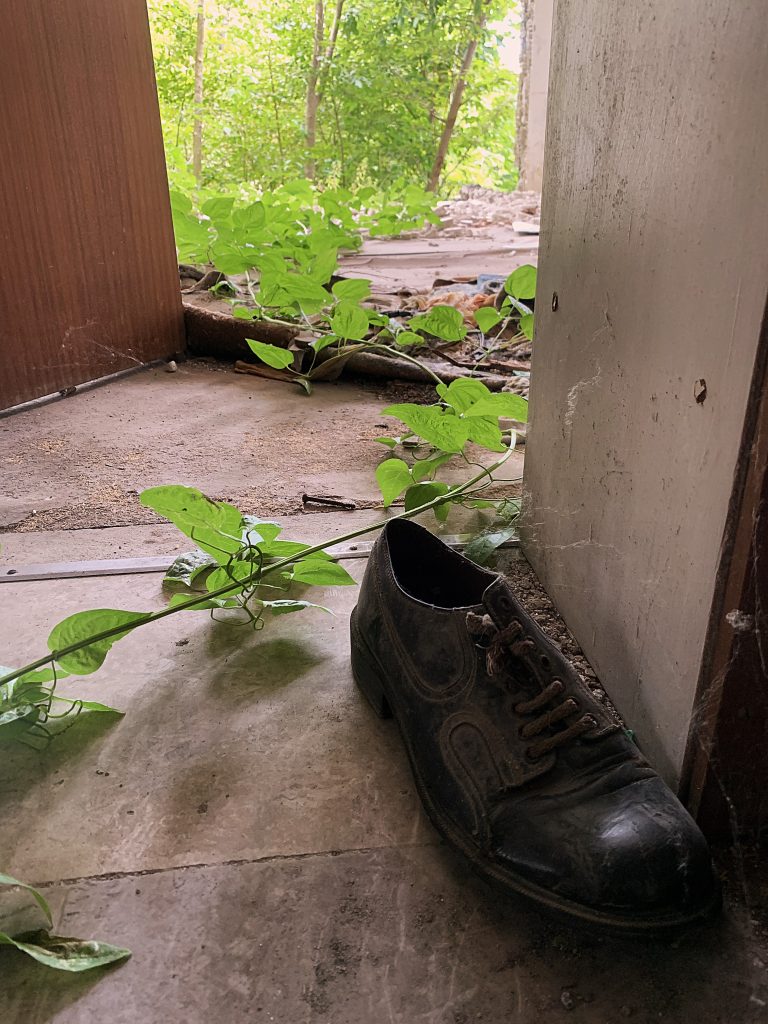
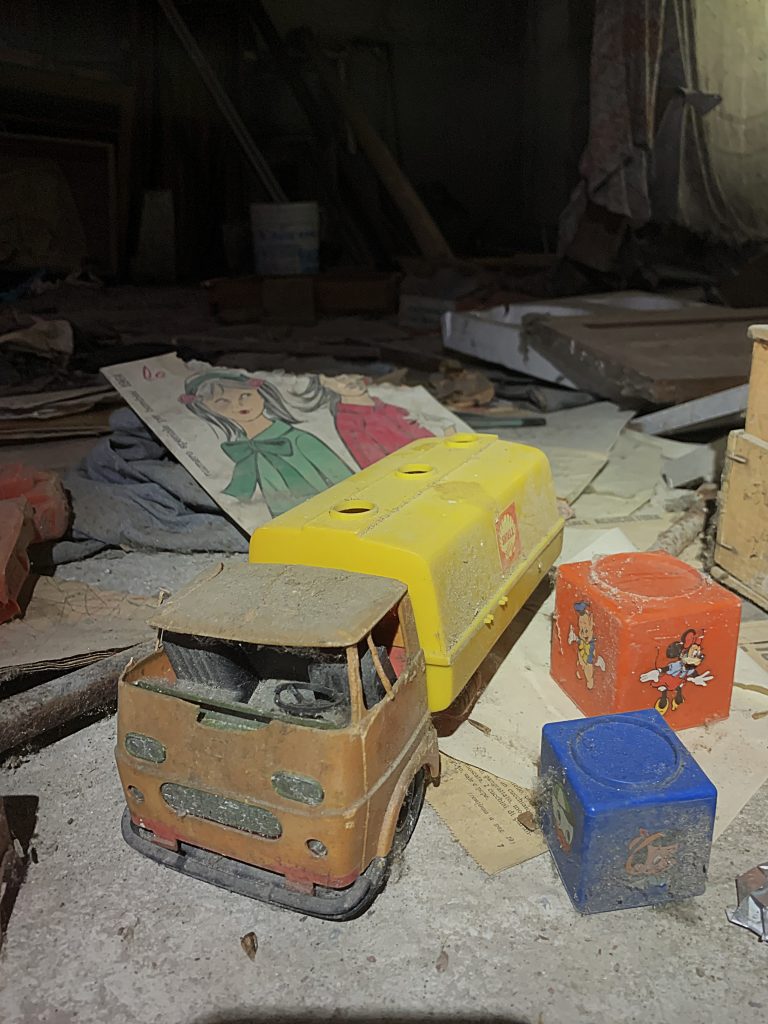
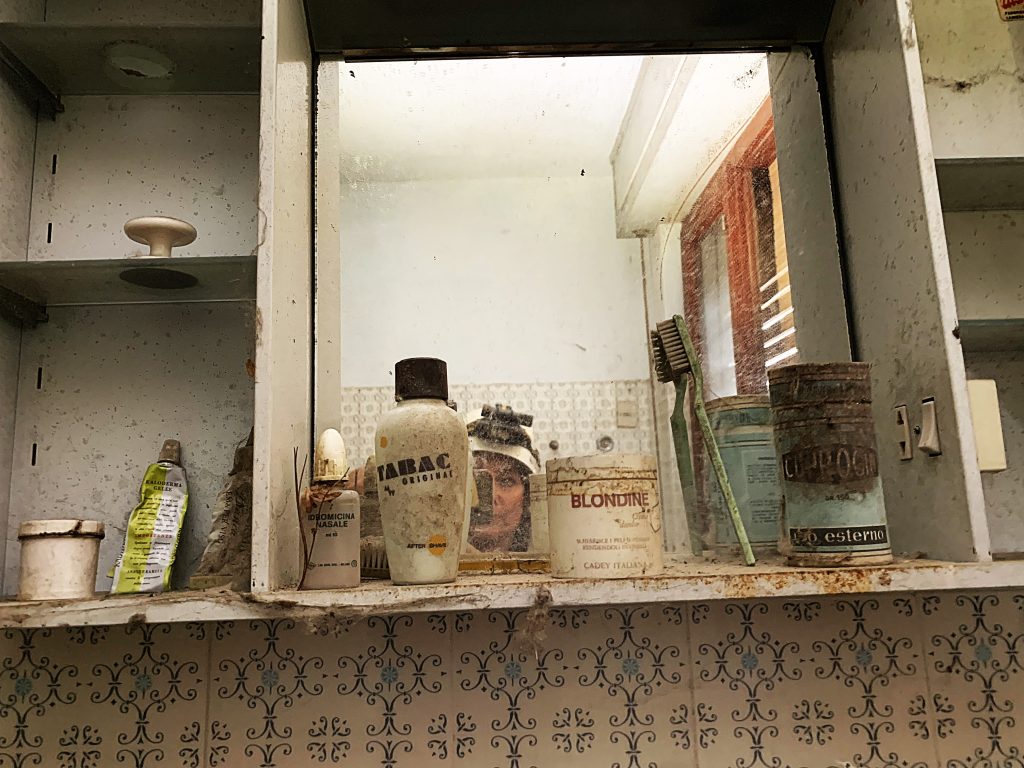
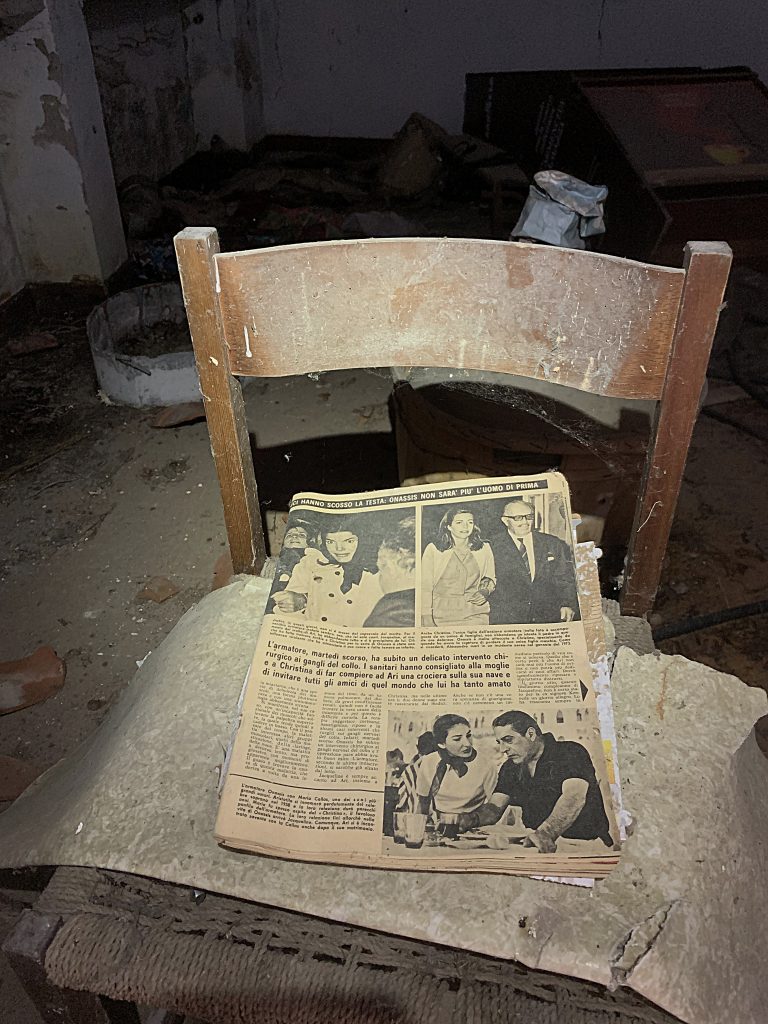
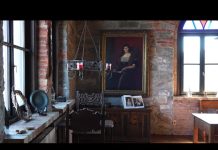
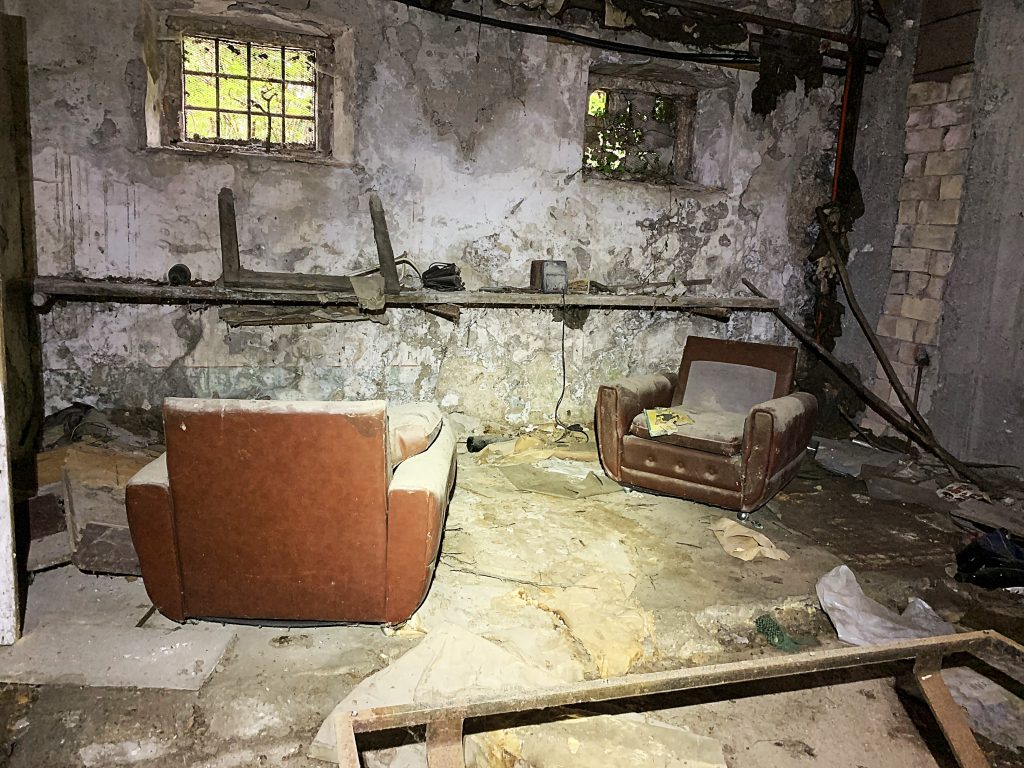
Since 1976, Portis Vecchio has remained largely uninhabited. Nature has gradually reclaimed parts of the village. Roofless stone buildings, broken walls, and overgrown vegetation dominate the site. A few structures, such as parts of the old church, are still visible, though in a dilapidated state. Entering one of the houses (helmet and extreme cautiosness required) is like stepping back in time, back in the 1970s, as if time froze. Clothes, furniture, kitchen utensils, toys, all lie scattered and covered in dust. A sinister atmosphere pervades the silent walls embracing what once had been a lively community, full of laughing children and the singing of women working in the fields.

Beyond its scientific importance, Portis Vecchio also holds cultural and historical significance. Walking through its silent streets, visitors are confronted with a rare and powerful experience: a snapshot of life interrupted, preserved in time. The juxtaposition of natural beauty with human fragility makes Portis Vecchio a reminder of nature’s power—and of the resilience required to face it.