
















by Nina Vaclavikova
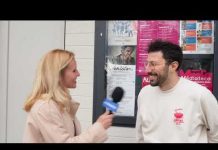
Interviews: Alfredo Sidari – President of Azzurra – Association for Rare Diseases ETS-ODV, Regional Councillor for Heritage Sebastiano Callari
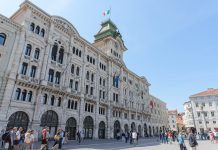
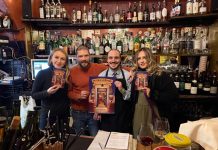
In the Salone di Rappresentanza of the Friuli Venezia Giulia regional government, volunteers, families, and officials gathered Wednesday to celebrate the 25th anniversary of Azzurra – Associazione Malattie Rare, an organization dedicated to supporting people affected by rare diseases and their families.
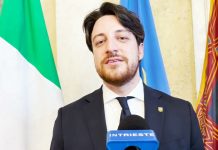
“‘We are angels with only one wing; we can fly only by embracing each other,’” said Regional Councilor for Heritage Sebastiano Callari, quoting Luciano De Crescenzo. “This has become the motto of Azzurra. Union and solidarity allow us to achieve results that would otherwise seem impossible.”
Rare diseases, while affecting a small percentage of the population, impose a significant emotional and financial burden on families and on the healthcare system. While regional authorities are investing in resources to support caregivers and the medical infrastructure, Callari emphasized that human presence and solidarity—embodied by organizations like Azzurra—remain irreplaceable.
“Even in the face of the most painful suffering, the work of groups like Azzurra offers immense comfort to families and represents a point of pride for all of Friuli Venezia Giulia,” Callari added.
He praised the organization’s collaboration with the IRCCS Burlo Garofolo hospital in Trieste and the tireless work of its volunteers. Over the years, Azzurra has become a vital point of reference for patients, their families, and caregivers, bridging the gap between institutions, healthcare providers, and the communities they serve.
The anniversary ceremony underscored Azzurra’s continued mission to support research and care for rare diseases. The association organizes concrete initiatives aimed at helping patients and families navigate the complex biological, psychological, and social challenges that come with living with rare conditions.
“Azzurra exemplifies the highest ideals of volunteerism,” Fedriga said, “and its work deserves the gratitude and respect of our entire community.”