











by InTrieste
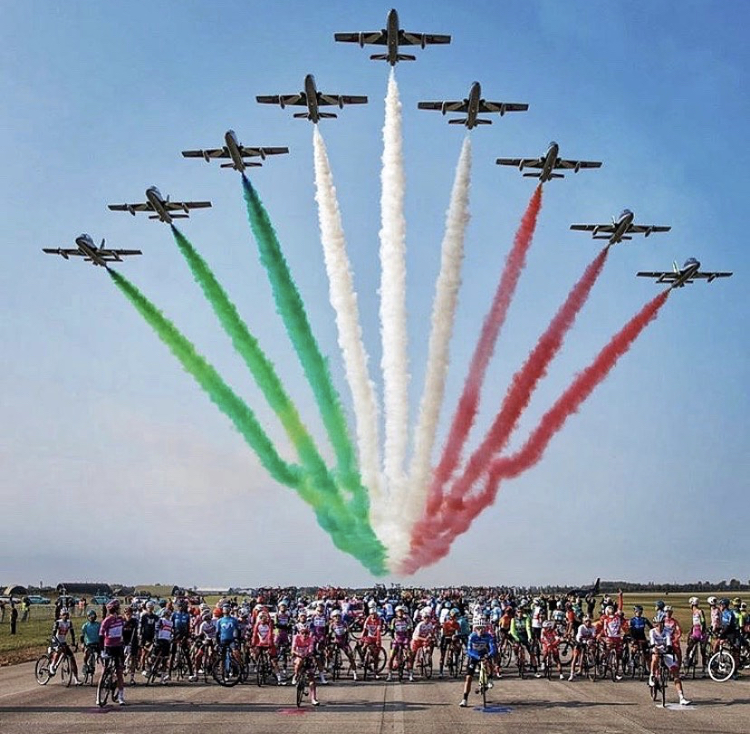
After a six-year absence, the Giro d’Italia Women is returning to northeastern Italy, bringing two stages of the country’s most prestigious women’s cycling race to the region of Friuli Venezia Giulia at the end of May.

Local and regional officials met this week in the town of Pagnacco, in the province of Udine, to coordinate logistics for the second and third stages of the race, which will pass through 24 municipalities across the provinces of Udine and Pordenone. The meetings marked the first formal step in organizing what is expected to be one of the region’s most visible sporting events of the year.
“This is a competition that combines endurance, commitment and resilience,” said Mario Anzil, the region’s vice governor with responsibility for sport. He said the race would not only showcase elite women’s cycling but also provide international exposure for the region’s landscape, culture and tourism.
The Giro d’Italia Women — now organized by RCS Sport, the same company that runs the men’s Giro — is expected to generate around 20 million media contacts worldwide and attract more than 200 accredited journalists, according to regional officials.
The second stage, scheduled for Sunday, May 31, will run through the province of Pordenone, while the third stage, on Monday, June 1, will cross the province of Udine, ending in the town of Buja. The route includes a circuit through the area affected by the devastating 1976 Friuli earthquake, linking the race to the 50th anniversary of the region’s post-disaster reconstruction.
The regional government has allocated €122,000 to the municipality of Buja through its sports and tourism agencies to support the event. In addition, about €15 million has been invested in road infrastructure along the route, including €7 million managed by FVG Strade, the regional road authority, to improve safety and surface conditions on key stretches of the course. The work covers roughly 55 kilometers of municipal and regional roads.
At the meeting, Mr. Anzil urged local governments to coordinate closely on infrastructure projects and to use the race as an opportunity to organize festivals, community events and other activities along the route.
The gathering was hosted by the mayor of Pagnacco, Laura Sandruvi, and included Paolo Urbani, president of the local organizing committee; Simone Bortolotti, head of FVG Strade; and representatives from the regional decentralization bodies of Udine and Pordenone, who are overseeing technical and logistical planning.
Further meetings are planned with the police, the prefecture and civil protection authorities to finalize security, medical services and volunteer coordination ahead of the race.
For Friuli Venezia Giulia, officials say, the return of the Giro d’Italia Women represents both a sporting milestone and a chance to reintroduce the region to a global audience — this time through the growing visibility of women’s professional cycling.