




















by InTrieste
In a departure from the typically upbeat tone of Italy’s year-end political rituals, Prime Minister Giorgia Meloni delivered a notably stark message this week to the civil servants who keep her government running.
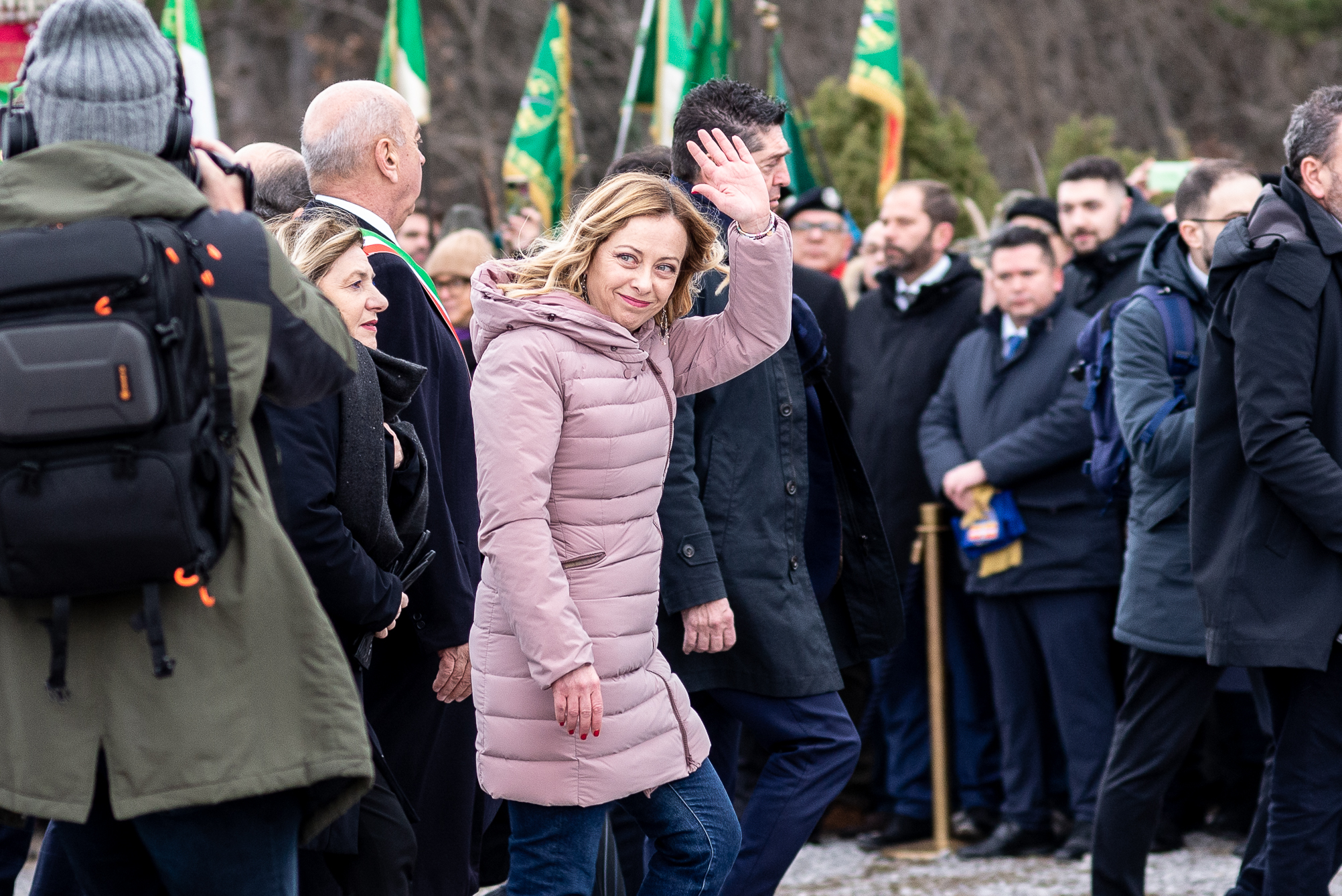
Speaking on Dec. 23 at Palazzo Chigi, the seat of Italy’s executive branch, Ms. Meloni told staff members that 2025 had been a difficult year — and that 2026 was likely to be even harder. The remarks came during the annual exchange of Christmas greetings, a normally lighthearted event, but this time the prime minister struck a tone closer to caution than celebration.
Addressing employees of the prime minister’s office, Ms. Meloni thanked them for their work and described them as a close-knit group. She encouraged them to take time off during the holidays, not only to rest but to prepare for what she suggested would be a more demanding year ahead. “This year has been tough,” she said, according to Italian media accounts, “but next year will be even worse.”
The comment quickly stood out in a political culture accustomed to optimistic holiday messages, even in periods of economic or political strain. Rather than highlighting achievements or offering reassurance, Ms. Meloni chose to underline the scale of the challenges she expects her government to face in the months ahead.
Economic and Political Pressures
Italy enters 2026 under mounting economic pressure. Growth has remained weak, public debt is among the highest in Europe, and the government faces difficult decisions over spending, taxation and budget priorities. While Ms. Meloni’s right-wing coalition has promised fiscal discipline alongside social support, the trade-offs involved have become increasingly visible as resources tighten.
At the same time, tensions within the governing alliance have periodically surfaced over issues ranging from economic policy to foreign affairs. These strains, combined with the constraints of European fiscal rules and a fragile global economy, have contributed to a sense of uncertainty about Italy’s near-term outlook.
Against that backdrop, Ms. Meloni’s blunt assessment can be read as an acknowledgment of the political and administrative reality facing her government — and of the pressures bearing down on the state’s bureaucracy, which will be responsible for implementing whatever policies emerge.
An Unusual Holiday Message
The setting made the remarks all the more striking. Holiday speeches by Italian leaders are typically used to strike a reassuring tone, offering gratitude to public servants and confidence to the country. This time, Ms. Meloni’s words suggested something closer to a warning.
Some supporters interpreted the statement as a gesture of realism, an attempt to level with government staff and prepare them for what lies ahead. Critics, however, said the message risked projecting pessimism at a moment when public confidence is fragile.
Either way, the comments marked a departure from the conventional script and added to the perception that Ms. Meloni’s government is bracing for a turbulent year.
Looking Toward 2026
In the months ahead, the prime minister will need to navigate a crowded agenda: managing Italy’s public finances, sustaining political support, and responding to European and global developments that could further complicate domestic policymaking.
Whether her stark holiday message will be remembered as candid foresight or unnecessary gloom remains to be seen. But it offered a rare glimpse into how Italy’s leader views the road ahead — not as a period of consolidation or calm, but as one of intensified challenge.