





















by InTrieste
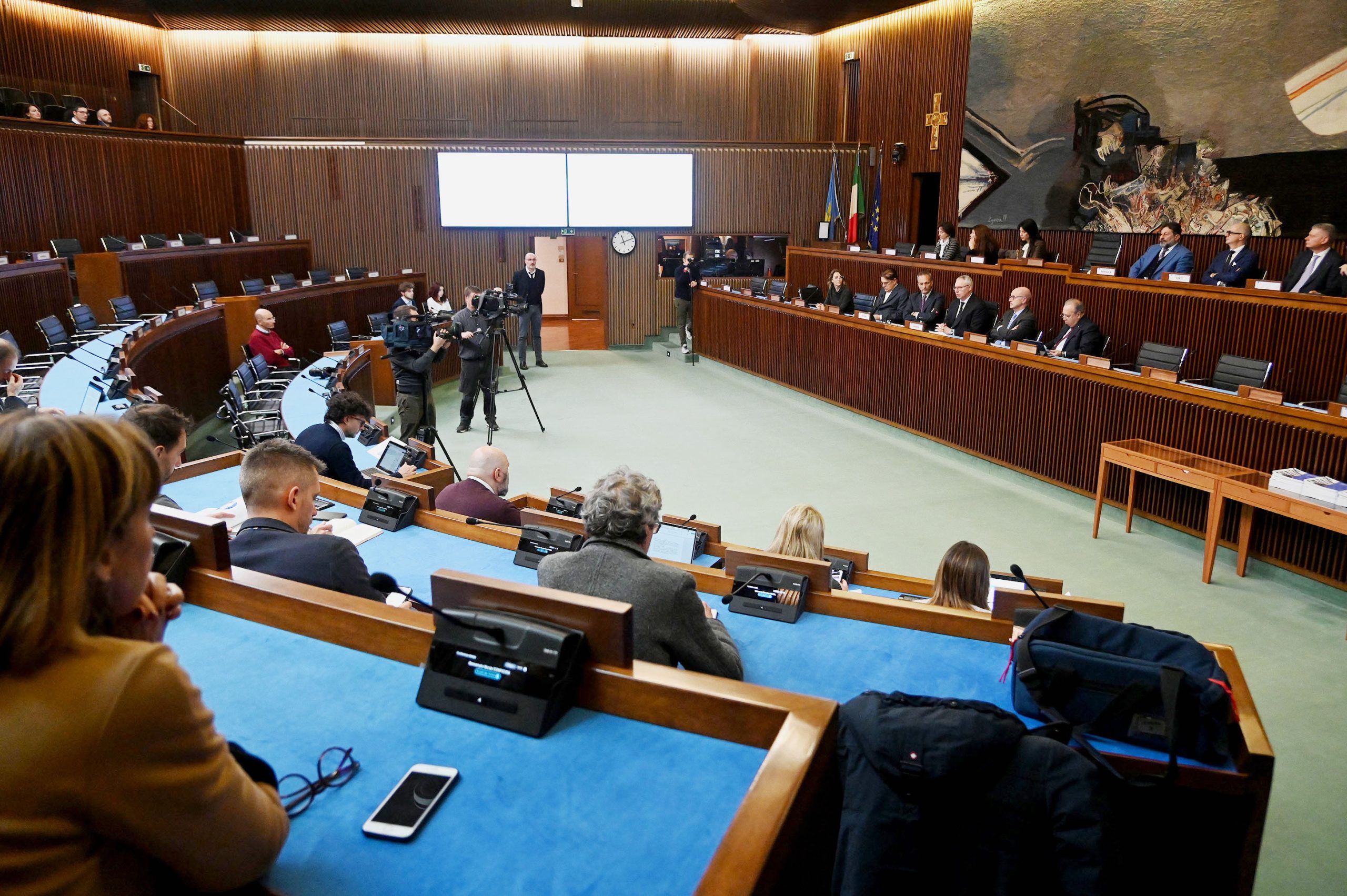
The Friuli Venezia Giulia Regional Council has approved a summer budget adjustment worth just under €1.1 billion, concluding nearly four days of debate that exposed political divisions but ultimately secured passage through the governing center-right coalition.
The measure, approved late Friday, allocates funding across infrastructure, local government, healthcare, tourism and economic development. The package is slightly smaller than last year’s adjustment, which totaled approximately €1.2 billion.
Lawmakers spent nearly 39 hours debating the legislation before it passed by a vote of 27 to 18. Members of the center-right majority supported the measure, while opposition parties voted against it. A representative of the Slovene minority party SSK abstained. Several individual provisions, however, received bipartisan backing, including measures related to sports and culture.
The largest allocation, more than €228 million, will be directed toward infrastructure projects. Local governments will receive approximately €212 million, while €129 million has been earmarked for productive activities and tourism. Healthcare is set to receive about €128.5 million.
Regional President Massimiliano Fedriga said the spending plan reflects the region’s strong fiscal position. He credited annual savings of roughly €400 million generated through financial agreements with the Italian government, along with higher tax revenues resulting from economic growth and public investment.
Fedriga said the administration’s approach allows the region to finance development without raising taxes. He also highlighted a €259 million omnibus amendment, describing it as a package intended to strengthen investment in areas including energy efficiency, family support and assistance for local authorities.
Regional Council President Mauro Bordin called the budget adjustment one of the legislature’s most significant annual measures, saying it translates the regional administration’s priorities into concrete investments aimed at supporting communities and the broader economy.