



















by InTrieste
City and regional officials gathered in Trieste on Friday to commemorate the anniversary of the end of the Yugoslav occupation of the city, a period that lasted 40 days following the conclusion of World War II in Europe.
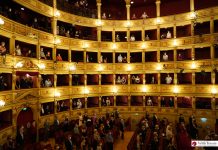
The ceremony, held in the City Council chamber, marked the events of June 12, 1945, when Yugoslav forces withdrew from Trieste and Allied military authorities assumed control of the city.
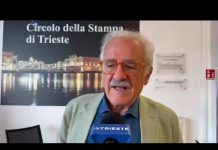
Among those attending was Pierpaolo Roberti, the regional councillor for local autonomies, who said the anniversary represents an important moment in the city’s historical memory.
Speaking on the sidelines of the event, Roberti noted that official recognition of the date had come relatively late, adding that the Municipality of Trieste had established a civic commemoration to preserve awareness of a pivotal chapter in the city’s past.
The period between May and June 1945 remains one of the most debated episodes in Trieste’s modern history. After the collapse of Nazi Germany, Yugoslav Partisan forces entered the city on May 1, 1945, and maintained control until an agreement between the Western Allies and Yugoslavia led to their withdrawal on June 12. The city subsequently came under Allied Military Government administration until its return to Italian sovereignty in 1954.
During Thursday’s ceremony, Roberti described the occupation as a traumatic period marked by violence and political uncertainty, reflecting a view widely held among many Italians in the region. Historians have long examined the complex legacy of those weeks, which remain closely tied to broader questions of national identity, border changes and postwar reconciliation in the northeastern Adriatic.
Following the council ceremony, Roberti joined civil and military authorities for a flag-lowering ceremony in Piazza Unità d’Italia, Trieste’s main square.
The anniversary is observed annually in Trieste and serves as a reminder of the city’s unique and often contested position at the crossroads of Italian, Slovenian and broader Central European history.