











by Maximiliano Crocamo
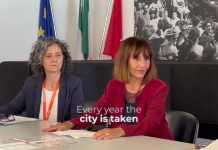
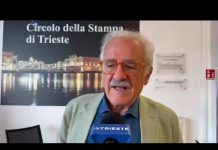
Interviews: Massimo Moretuzzo, group leader of Patto per ‘Autonomia, and councilor Giulia Massolino
The Patto per l’Autonomia Civica FVG regional council group presented a dossier on 22 April 2026 challenging the Fedriga administration’s approach to mountain tourism investment in Friuli Venezia Giulia.
According to data obtained through formal access-to-documents requests, regional funding for ski infrastructure rose from €36 million in 2021 to €190 million programmed for the 2025–2027 triennium, an increase of 429%. Against this growth in spending, the most recent season recorded a 6% rise in skier numbers and a 5% increase in revenue, with an overall net deficit of €1.2 million against €17.9 million in total receipts.
Massimo Moretuzzo, group leader of Patto per l’Autonomia, and councillor Giulia Massolino cited data from ARPA (Regional Environmental Protection Agency) Friuli Venezia Giulia indicating a regional thermal anomaly of +2.5°C above pre-industrial levels in 2024. According to the same agency, the Snow Reliability Line (LAN) now stands above 1,500 metres, the ski season has shortened by 15 to 30 days, and projections indicate a 15% decline in winter tourists by 2030. Most regional ski areas are located between 1,000 and 1,900 metres.
Journalist and author Cristina Nadotti, whose book Il turismo che non paga is published by Edizioni Ambiente, also participated in the presentation. The dossier additionally references Legambiente’s Nevediversa report, published in late March 2026.
Ski areas specifically cited include Sappada (€53.4 million), Zoncolan (€37.1 million), Tarvisio (€36.2 million), and Sella Nevea (€17.3 million). Regional Councillor for Tourism Sergio Emidio Bini and the Fedriga administration had not issued a public response at the time of publication.