




















by InTrieste
The decision to allow Russia to return to the 2026 edition of the Venice Biennale after a four-year absence has ignited a debate across the art world and among political leaders, raising questions about the relationship between culture, ethics and international diplomacy during wartime.
Italy’s culture minister, Alessandro Giuli, reiterated his criticism on Tuesday of the Biennale Foundation’s choice to host a Russian national pavilion, marking the country’s first participation since its full-scale invasion of Ukraine in 2022.
Russia had not presented a pavilion in the exhibition since that invasion, though it was never formally barred from the prestigious international art event. Giuli acknowledged that the decision rests with the Biennale’s independent foundation but emphasized that the government led by Prime Minister Giorgia Meloni opposes the move.
“In an autocracy, art that refers to the state cannot be free,” Giuli said, arguing that truly independent art in such a context would likely come from dissident voices. He reiterated Italy’s political support for Ukraine.
Government Opposition
In a statement last week, Giuli said the Biennale had decided “entirely independently” to allow Russia’s participation despite the government’s objections.
He also pointed to Italy’s efforts to assist Ukraine’s cultural sector during the war, including support for restoring the Transfiguration Cathedral, a historic Orthodox cathedral in the port city of Odessa that was severely damaged during Russian attacks.
Calls for Reconsideration
Ukrainian officials have urged the Biennale’s organizers to reverse their decision. According to The Guardian, Ukrainian representatives argued that the exhibition should not become “a stage for whitewashing war crimes.”
The announcement has also drawn criticism from parts of the international art community. Members of the activist collective Pussy Riot said they plan to stage a protest during the opening week of the exhibition in May.
The 2026 Exhibition
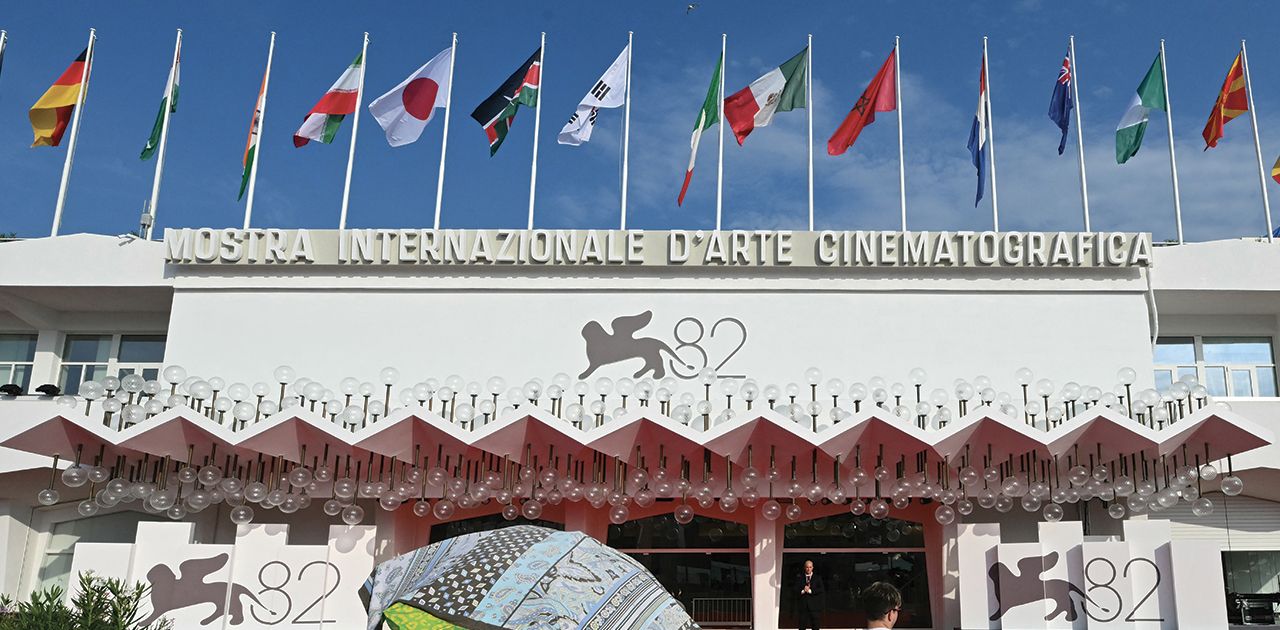
The 61st edition of the Biennale will run from May 9 through Nov. 22 in Venice. The exhibition was originally conceived by the late artistic director Koyo Kouoh, who died unexpectedly last May. Her curatorial team is carrying out the project in accordance with her vision under the theme In Minor Keys.
Departing from the grand narratives of some previous editions, the exhibition will emphasize quieter artistic approaches — what organizers describe as “lower frequencies,” subtlety and introspection.
Widely regarded as one of the world’s most influential contemporary art exhibitions, the Biennale takes place across historic venues including the Giardini and the Arsenale, as well as satellite sites throughout Venice.
This year’s main exhibition will include 111 participants — 105 individual artists and six artist-led organizations — a notable reduction from the 330 artists featured in the 2024 edition.
Additional Controversies
The event has also drawn criticism inside Italy for a different reason: the absence of Italian artists from the central exhibition for the first time in the Biennale’s history.
The debate over Russia’s participation comes only days after another cultural controversy in Italy. The opening ceremony of the Milan Cortina Paralympic Games 2026, held in Verona, was overshadowed by a coordinated boycott by some participants protesting the inclusion of Russian athletes.
Together, the disputes underscore the broader tensions facing international cultural institutions as they navigate artistic exchange in the midst of geopolitical conflict.