



















by InTrieste
Italy’s right-wing government has approved a package of stringent new security measures in the wake of violent clashes in Turin, moving swiftly to tighten public-order laws on the eve of the Milano Cortina 2026 Winter Olympics, which opened on Friday.
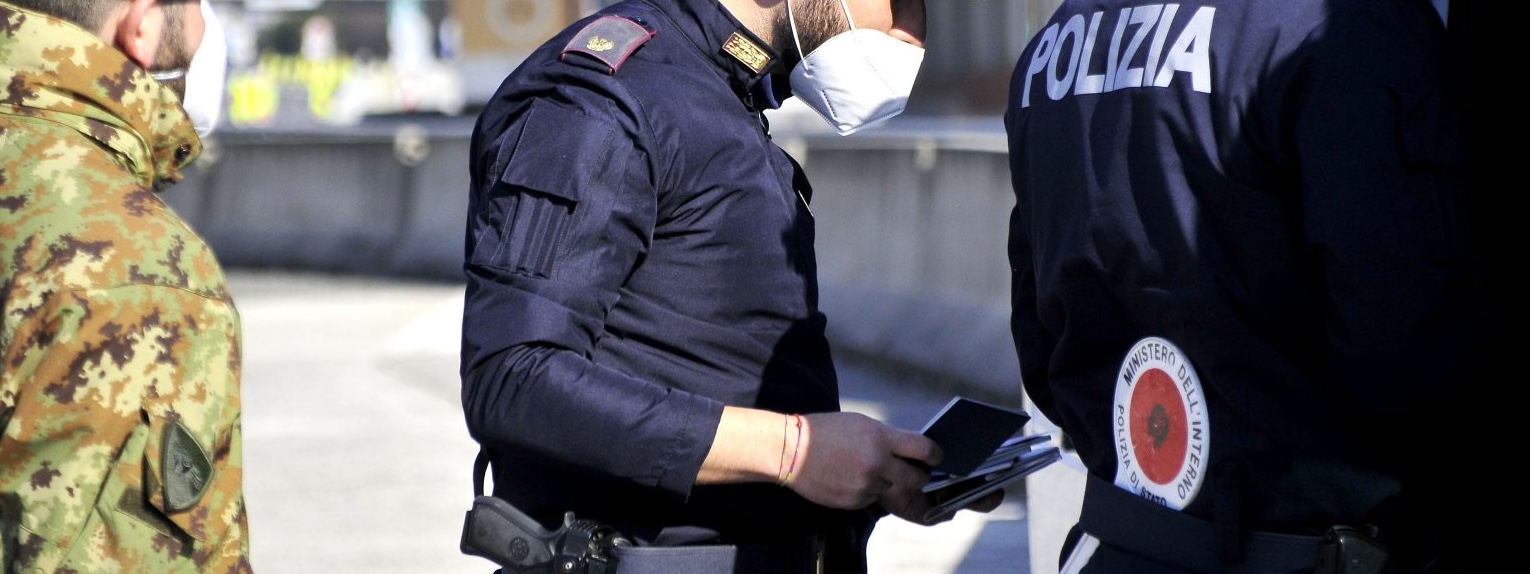
The measures, approved by the cabinet on Thursday, fast-track legislation expanding police powers and increasing penalties for a range of offenses. Among the most contentious provisions is a form of preventive detention that allows police to hold individuals deemed a “threat to public safety” for up to 12 hours before a demonstration begins.
Prime Minister Giorgia Meloni described the package as part of a broader strategy her government has pursued since taking office more than three years ago. In a post on X, she said the measures were “not one-off” responses but tools designed to prevent organized violence linked to protests.
“We are also introducing specific instruments to prevent the presence and action of organized groups dedicated to violence, which have nothing to do with the right to demonstrate and which use public squares as a pretext to create disorder and destruction,” Ms. Meloni wrote.
The security package also includes tougher penalties for pickpocketing, measures aimed at curbing what the government describes as the rise of “baby gangs,” stricter enforcement against carrying knives, and a ban on selling to minors any object deemed capable of causing harm.
Italy’s interior minister, Matteo Piantedosi, rejected claims that the preventive detention measure threatens civil liberties. Speaking to reporters, he said the provision exists in other legal systems and involves oversight by judicial authorities.
“It is not a measure that kills freedom,” Mr. Piantedosi said, adding that prosecutors are informed when a person is taken to a police station and may order their release if legal conditions are not met.
Opposition parties and civil rights organizations have sharply criticized the package, arguing that the expanded use of preventive detention risks undermining constitutional protections for freedom of assembly. Some have warned that the measures could contribute to the militarization of urban spaces, particularly during large-scale events such as the Olympics.
The legislation follows riots in Turin last weekend that injured more than 100 law enforcement officers and have become a political flashpoint for Ms. Meloni’s governing coalition.
The unrest broke out during a demonstration in support of Askatasuna, an anarchist social center that was evicted by authorities in December. While the march initially proceeded peacefully, with organizers estimating between 15,000 and 50,000 participants, it devolved into violent clashes after nightfall.
Authorities said the protest was infiltrated by organized groups, including so-called black bloc activists. Masked individuals attacked police lines with stones, incendiary devices and street furniture. During the clashes, a 29-year-old police officer was reportedly isolated from his unit, without his helmet, and struck with a hammer.
Ms. Meloni later visited the injured officer and other police personnel in the hospital, describing the attack as an “attempted murder.”
On Wednesday, however, a judge in Turin ordered the release of a 22-year-old suspect accused of carrying out the hammer attack, placing him under house arrest pending further proceedings.
With millions of visitors expected for the Winter Olympics, the government has framed the new security measures as essential to ensuring public safety. Critics, however, say the response risks reshaping Italy’s approach to dissent at a moment when international attention is focused on the country.