

















by InTrieste
The regional government of Friuli Venezia Giulia has approved a new hydrogen strategy aimed at diversifying energy sources, reducing emissions and strengthening energy security, regional officials said this week.
The plan was adopted at the latest meeting of the regional executive and reflects what Fabio Scoccimarro, the regional councillor for environmental protection, energy and sustainable development, described as a pragmatic approach to the energy transition.
“Investment in hydrogen can contribute to a significant diversification of our energy sources,” Mr. Scoccimarro said in a statement. “It offers advantages from an environmental perspective as well as in terms of autonomy and the economic sustainability of supply.”
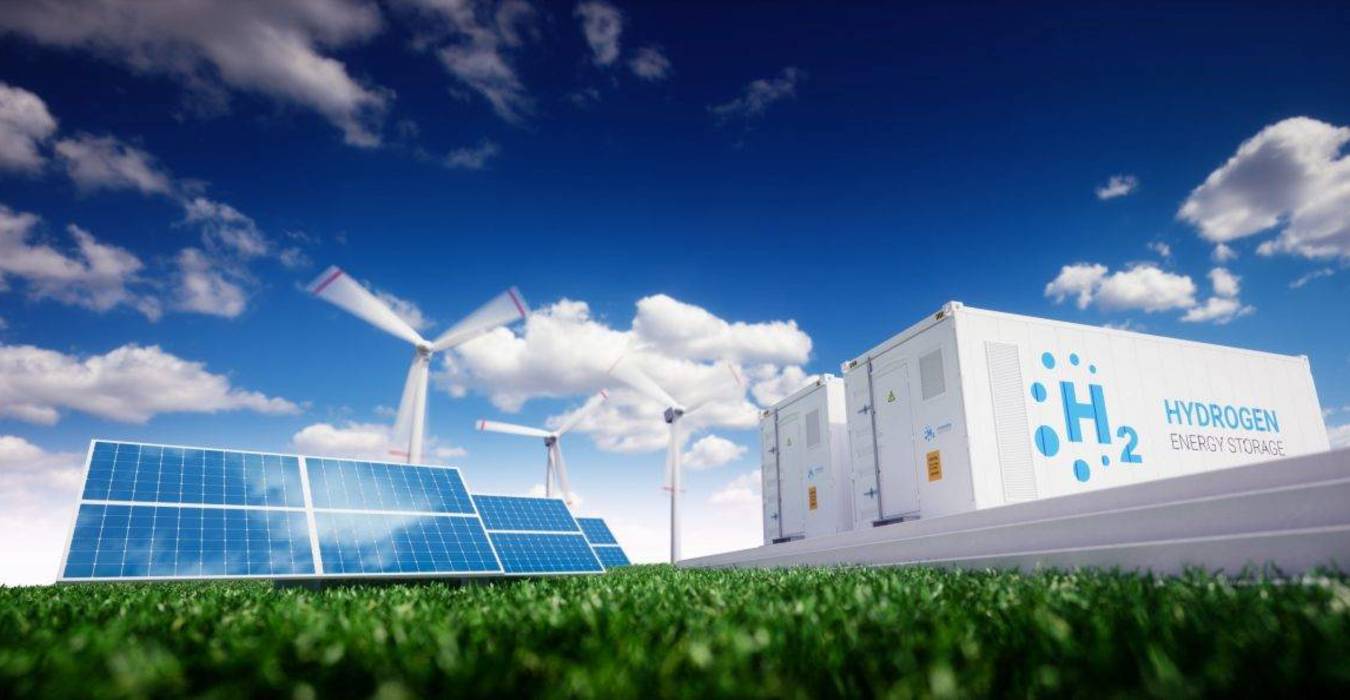
Rather than positioning hydrogen as a single, all-encompassing solution, the strategy presents it as a complementary energy carrier, particularly suited to sectors that are difficult to decarbonize, such as heavy industry and certain modes of transport. These so-called “hard-to-abate” sectors account for a substantial share of emissions and have limited alternatives to fossil fuels.
Hydrogen, the document argues, could also play a role in stabilizing the electricity system as renewable energy sources — such as wind and solar — become more prevalent. Because these sources are intermittent, hydrogen could help provide flexibility and balance within the power grid.
At the core of the strategy is the creation of an integrated regional hydrogen ecosystem. The plan is structured around eight objectives, including the promotion of renewable and low-carbon hydrogen production, the acceleration of its adoption in energy-intensive industries, and the development of a technological and interdisciplinary supply chain.
Additional goals include supporting the use of hydrogen in transport, strengthening infrastructure and logistics networks, and investing in education and training to build the necessary skills. Regional authorities see these efforts as essential to positioning Friuli Venezia Giulia competitively at the national, European and international levels.
The strategy also outlines a governance structure designed to oversee implementation. This will operate on two levels: an interdepartmental working group dedicated to the regional hydrogen strategy and a series of project teams responsible for specific initiatives. Both will work under the direct guidance of the regional executive.
While the plan does not set out detailed timelines or funding allocations, regional officials describe it as a framework intended to guide future policy decisions and investments as Italy and the European Union accelerate their push toward decarbonization.