





by InTrieste
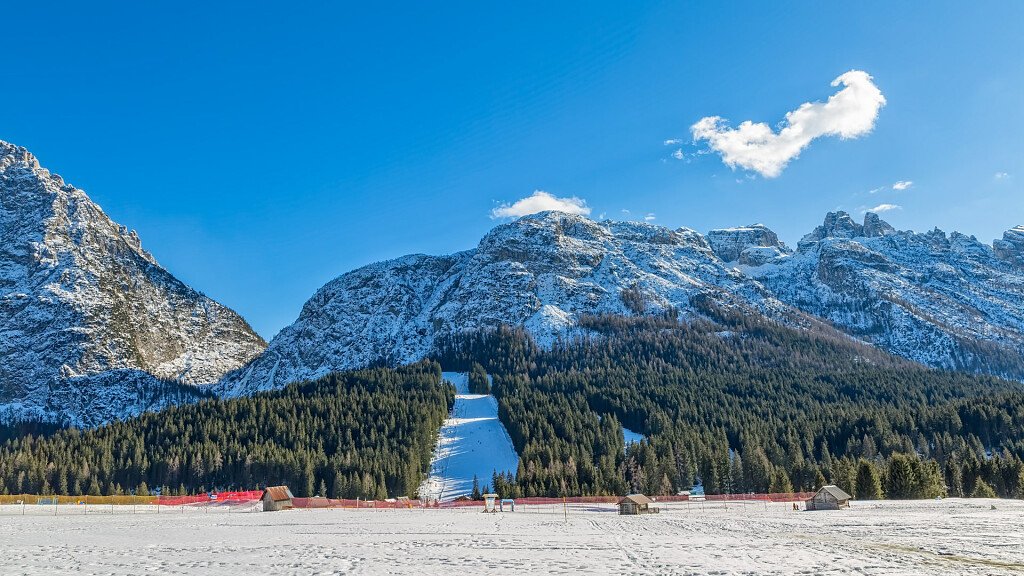
The regional government of Friuli Venezia Giulia has presented a new initiative aimed at improving access to its mountain areas, expanding efforts to make tourism more inclusive for people with disabilities and others with specific mobility needs.
The project, called I Am FVG, was introduced on Tuesday in Udine by Sergio Emidio Bini, the regional councillor for productive activities, alongside Riccardo Riccardi, councillor for health, social policies and disability. The initiative focuses on increasing the year-round usability of the region’s mountainous territory, an area that includes 84 municipalities.
The program builds on a decade of work by the region, carried out through its tourism agency PromoTurismoFVG in collaboration with the Regional Council for Disability. Previous efforts concentrated largely on urban centers and coastal destinations. The new phase extends those principles to alpine and pre-alpine areas, long considered more challenging environments for accessible tourism.
“This project is part of a broader commitment that the region has been pursuing for ten years to make Friuli Venezia Giulia accessible to everyone,” Mr. Bini said at the presentation. He described a coordinated approach that includes mapping the accessibility of facilities, providing training, purchasing specialized equipment for outdoor activities, and promoting accessible tourism through targeted campaigns.
The initiative is funded through a national call issued by the Italian government in 2024 to support projects promoting accessible tourism. Friuli Venezia Giulia secured €1.7 million (about $1.85 million) to carry out a series of actions across its mountain areas.
Work has already begun with an extensive mapping effort. So far, the region has assessed the accessibility of 250 bars and restaurants, 150 accommodation facilities, 11 ski schools, 10 sports facilities and 77 ski lifts. Additional mapping is planned for the summer months and will include swimming areas, cycling paths, museums, churches and locations used for outdoor experiences.
The collected data will be made publicly available on the regional tourism portal, TurismoFVG, allowing visitors to independently evaluate whether specific services and locations meet their individual needs. Officials emphasized that transparency and detailed information are central to enabling informed travel decisions.
Mr. Riccardi framed the project as part of a broader shift in how disability is addressed in public policy. He described the initiative as consistent with recent reforms to the region’s disability legislation, which aim to integrate accessibility considerations across different areas of governance.
“Disability is a lifelong condition, and it requires us to rethink organizational models that increasingly must combine social responses alongside medical ones,” Mr. Riccardi said. He added that collaboration among different regional departments has proven essential in bringing issues of accessibility into everyday contexts, including tourism, transportation and public spaces.
The project also reflects a longer-standing partnership between PromoTurismoFVG and the Regional Council of Persons with Disabilities and Their Families, led by Mario Brancati. Since 2015, the collaboration has resulted in the broader program Una Regione per Tutti (“A Region for Everyone”), which combines on-site inspections, territorial mapping and training initiatives aimed at professionals across the tourism sector.
Those training efforts are designed to raise awareness among business owners, tourism operators and local administrators, helping them understand both structural and service-related barriers that visitors may encounter. Officials say that improving physical infrastructure must go hand in hand with cultural change and professional education.
While the region is known internationally for its mix of alpine landscapes, historic towns and Adriatic coastline, officials acknowledged that mountain tourism has often been less accessible than other parts of Friuli Venezia Giulia. The new initiative seeks to address that imbalance, positioning accessibility not as a niche offering but as a standard component of tourism development.
Regional authorities said the project is intended to have lasting effects beyond its initial funding cycle, integrating accessibility into long-term planning for tourism and territorial development.
As mapping and data collection continue through the year, officials said they expect the initiative to provide a clearer picture of existing gaps, while also highlighting best practices that could be replicated elsewhere in Italy’s mountainous regions.