




















by InTrieste
The Società Internazionale di divulgazione Manlio Cecovini continues its series of cultural events focused on historical, social, and ethical studies with a lecture examining Central European history.
On Tuesday, November 18, at 6 p.m., the association will host “Rapaci allo sbaraglio. L’impero asburgico dal punto di vista ungherese” (“Raptors in Disarray: The Austro-Hungarian Empire from a Hungarian Perspective”) at its headquarters on Viale Miramare 23. The event, led by Juhasz Balazs of Eötvös Loránd University in Budapest, is open to the public.
Drawing on the Austro-Hungarian monarchy’s motto, Indivisibiliter ac Inseparabiliter—loosely translated as “fighting and coexisting”—Professor Balazs will explore the complex relationship between Vienna and Budapest, marked by both cooperation and tension throughout the history of the dual monarchy.
The Habsburg Empire encompassed a mosaic of peoples and territories, bound together by a central authority that never fully assimilated the diverse identities within it. While the lands of the Hungarian Crown retained substantial autonomy, they also relied on resources and protection from the wider empire.
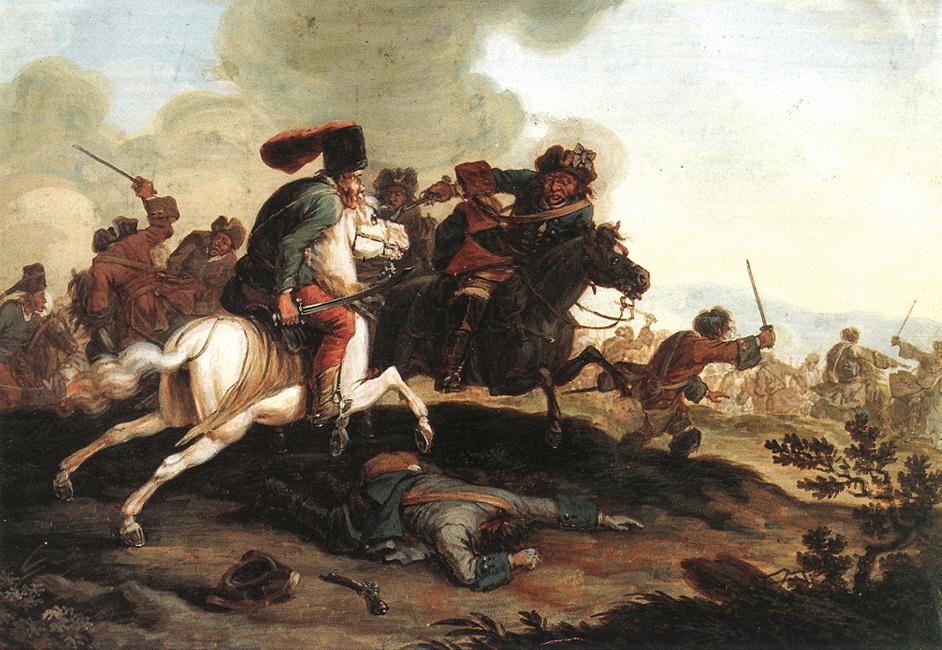
This coexistence was characterized by periodic conflicts, uprisings, and rivalries, shaping political divisions that resonate in contemporary Hungarian discourse: the labanc, pro-Austrian and pro-Western factions, and the kuruc, supporters of independence and an eastward orientation.
Professor Balazs’s lecture will examine the real effects of the 1867 Compromise, which granted Hungary equal status with Austria, and how the internal dynamics of the empire shaped the coexistence of its two principal components. The presentation promises a detailed historical perspective on the delicate balance of autonomy and dependency, collaboration and opposition, that defined Vienna-Budapest relations for centuries.