










by InTrieste
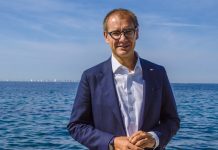
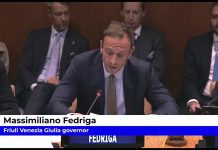
Friuli Venezia Giulia Gov. Massimiliano Fedriga called for a coordinated transport and logistics network across northeastern Italy on Tuesday, arguing that the region must move beyond individual infrastructure projects and develop an integrated system capable of competing with Europe’s major transport hubs.
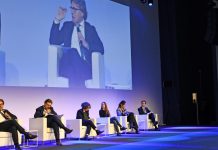
Speaking at the Northeast Infrastructure Forum in Rome on Nov. 24, held at the Senate and organized by Nem NordEst Multimedia and DIAC, Fedriga outlined a strategy linking the ports of Trieste, Venice and Ravenna with inland logistics centers, railway networks and connections to Austria, southern Germany and Hungary.
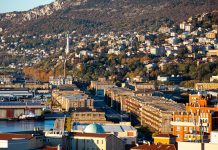
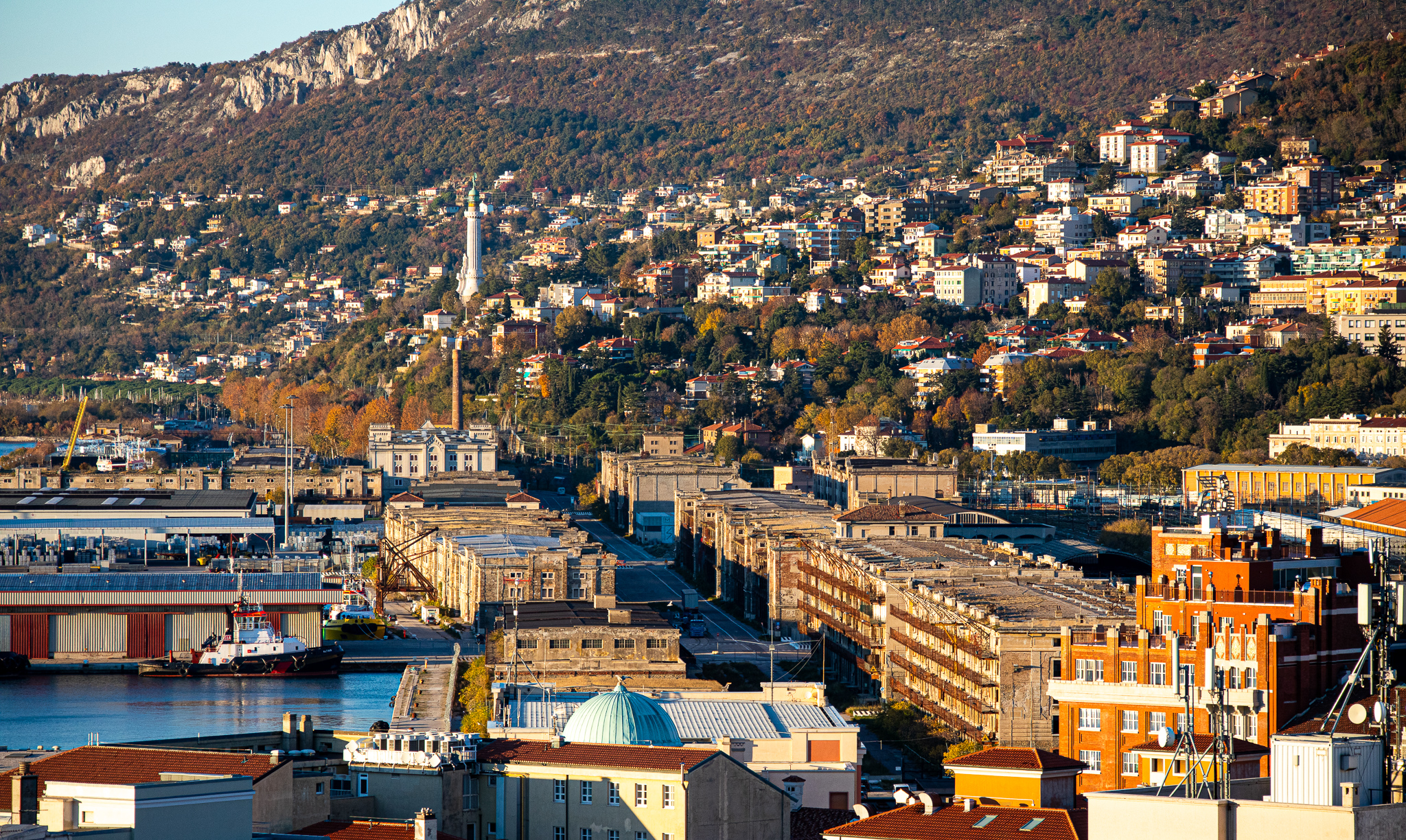
Rather than competing as separate transport hubs, the regions should present themselves as a single logistics platform, Fedriga said, highlighting the strategic importance of the Port of Trieste, Italy’s largest port and a major center for freight transport by rail toward Central Europe.
“Trieste represents an opportunity not only for the Northeast and Italy, but also for Central Europe,” he said, pointing to recent investments in port infrastructure, including projects financed through Italy’s National Recovery and Resilience Plan.
The governor also called for closer cooperation between the airports of Trieste and Venice. He said the planned railway connection to Venice’s Marco Polo Airport, following the resumption of construction on the so-called railway bypass, could make it possible to travel between the two airports in about an hour to an hour and 15 minutes.
Such a journey time would make an integrated airport system feasible, Fedriga argued, suggesting that cooperation could eventually extend across Friuli Venezia Giulia, Veneto and Emilia-Romagna.
He also emphasized the importance of digital infrastructure, calling for the development of an Adriatic digital corridor to strengthen the region’s connections and support economic activity around the port of Trieste.
On infrastructure financing, Fedriga said public funding should be complemented by private investment, including project bonds, which allow infrastructure projects to raise capital through debt instruments. He argued that investments should be assessed over longer periods, potentially 20 to 50 years, with projects offering different levels of financial returns considered as part of a broader economic plan.
“Waiting for the state to have all the necessary resources risks leaving infrastructure unbuilt or delaying it excessively,” he said.
As an example of an alternative financing model, Fedriga cited Autostrade Alto Adriatico, the company jointly owned by the regions of Friuli Venezia Giulia and Veneto. Its investment program, worth nearly €2 billion, was approved by Italy’s interministerial economic planning committee, CIPESS, in August and is being financed without direct public contributions. A substantial portion of the projects is expected to be completed over the next five years, while toll increases are not planned before 2029.
The forum also featured Veneto Gov. Alberto Stefani and Emilia-Romagna Gov. Michele De Pascale. The discussion was moderated by Paolo Possamai, editorial director of the Nem Group.
Closing the first part of the meeting, Infrastructure and Transport Minister Matteo Salvini said €34 billion had been allocated to infrastructure investments across Friuli Venezia Giulia, Veneto and Trentino-Alto Adige. He highlighted regional cooperation as a way to accelerate funding and construction, identifying the expansion of the Port of Trieste and improvements to key railway corridors among the priorities.